_1777451497595.webp)
High-Quality WPC Decking for Poolside: Waterproof and Anti-Slip Solutions
2026-04-21 17:12:50
A secure, lasting outdoor environment around pools demands careful material selection. WPC Decking solves poolside issues such water exposure, slip dangers, and upkeep. This composite material resists moisture absorption and looks like wood by combining wood fibers with polymer ingredients. Wood-plastic composite decking is stable and offers steady grip in pool water, unlike conventional lumber that swells, warps, or grows slippery algae. The material's chlorine and UV protection prevents fading and deterioration in tough poolside conditions, and the designed surface roughness makes barefoot walking safer. Understanding composite decking solutions' benefits helps assure long-term performance and visitor safety whether renovating home pool decks or developing commercial aquatic facilities.SEND INQUIRY
What Makes WPC Decking Ideal for Poolside Waterproof Applications?
Water-Resistant Composition of WPC Decking
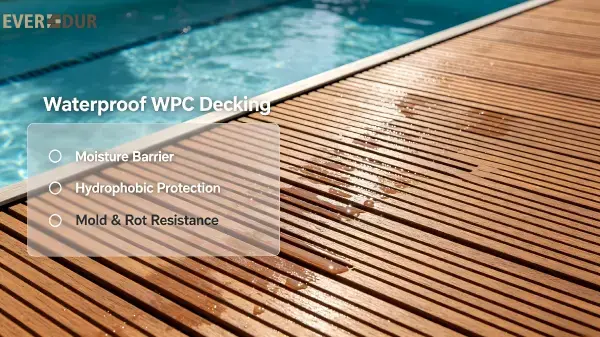
Wood-plastic composites are waterproof due to their composition and production. Wood particles are covered in polymer resins during manufacture to prevent cellular water infiltration. Encapsulation is different from surface treatments on natural wood, which wear off and need to be reapplied.
Why Traditional Wood Fails in Wet Environments
Traditional hardwood decking expands when wet and contracts when dry due to its porous composition. These cycles stress the material, causing fractures, splinters, and structural instability. WPC Outdoor Decking's closed-cell construction reduces water absorption to < 1% even after lengthy submersion tests.
Hydrophobic Protection and Biological Resistance
The hydrophobic polymer shield repels water droplets. This is especially useful in poolside applications where decking surfaces are constantly splashed, dripped, and cleaned. The material stays the same size regardless of humidity, minimizing gaps and elevated edges associated with standard wood decking. Beyond moisture resistance, composite decking's waterproofness hinders biological development. Mold, mildew, and rot fungus need substrate moisture to grow. These organisms cannot develop in polymer-encased wood particles because water cannot permeate. Because of this biological resilience, surfaces don't turn black or smell musty like moisture-damaged wood.
Drainage Design and Poolside Safety Benefits
Many composite decking designs include drainage features that improve waterproofing. Grooved surface patterns direct water away from walking surfaces, decreasing slip risks and wear. These tunnels enable air to circulate under the decking, evaporating rainwater faster than it can stick to the substructure.

Key Waterproof and Anti-Slip Features of WPC Decking Systems
Multi-Layer Anti-Slip Design for Poolside Safety
Slip resistance is the most important poolside design component. Multiple design characteristics in composite decking offer consistent grip even on damp areas.
Surface Texturing and Friction Enhancement
Surface texturing is the main anti-slip mechanism. To boost foot-decking friction, manufacturers use numerous microscopic and macroscopic texture patterns. Three-dimensional embossing mimics wood grain patterns for aesthetics and grip. These rough patterns break the smooth water coating on flat surfaces, enabling water to channel away from contact areas.
Grooved Structures and Co-Extrusion Protection
The grooved surface improves safety in two ways. Water flows down the decking face in longitudinal channels rather than pooling. These grooves enhance traction, especially while walking across the board. Designed groove spacing and depth avoid heel or toe catching and maximize drainage. Co-extrusion technologies increase slide resistance and protection. During extrusion, a polymer cap layer covers the composite core, forming a protective shell with improved characteristics. The cap layer might have varied texture profiles and friction coefficients than the core material to optimise wet environment surface properties. These outer layers resist stains and UV rays, ensuring the product's anti-slip characteristics for years.
Heat Control and Chemical Resistance in Pool Environments
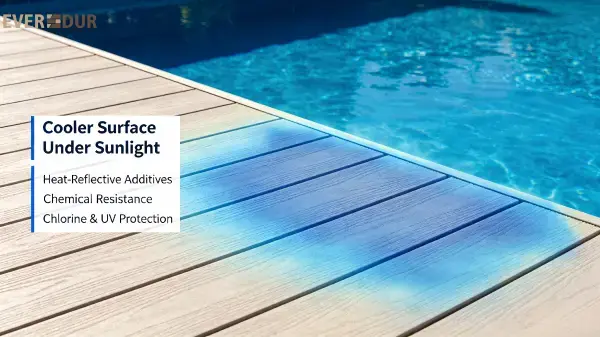
Heat absorption affects poolside safety when people walk barefoot. Heat from direct sunshine may burn dark surfaces. Anti-solar heat absorption chemicals in WPC Pool Decking maintain surface temperatures lower than similar materials. Composite materials' cellular structure insulates against peak solar exposure temperature increases. Chemical resistance is important near pools because chlorinated water, cleaning agents, and pH-balancing chemicals touch decking. Composite decking's polymer stays inert to these contaminants, avoiding surface deterioration that might damage texture and slip resistance. This chemical stability keeps anti-slip characteristics steady throughout years of pool chemical exposure.SEND INQUIRY
How Does WPC Decking Maintain Safety in Wet and High-Traffic Areas?
Structural Balance Between Strength and Flexibility
Quality composite decking lasts under continual usage, unlike alternatives that disintegrate with high foot traffic and wetness. Synergy between organic and synthetic components gives wood-plastic composites structural stability. Wood fibers give tensile strength and stiffness, making the underfoot feel solid and deflection-resistant. Natural fibres spread point stresses over the material, reducing breaking from localised stress concentrations. The polymer matrix links these fibers and adds impact resistance and flexibility, enabling the material to absorb stress without breaking.
Wear Resistance in High-Traffic Pool Zones
Around pool entrance points, ladders, and diving boards, heavy traffic wears out cheaper materials fast. Our homogenous composite decking preserves surface integrity in these locations by extending material qualities across the board thickness, not only on a thin wear layer. Foot movement slowly and uniformly eliminates material without exposing weaker underlayers or generating rough patches that might house disease or cause accidents. Lack of organic surface coatings reduces a typical maintenance issue with painted or stained wood decks. In high-traffic locations, traditional coatings fade and expose raw wood to moisture damage. Color runs throughout composite decking, so surface wear hides underlayers. Even after years of usage, the decking looks good without refinishing.
Moisture Stability and Slip Prevention Over Time
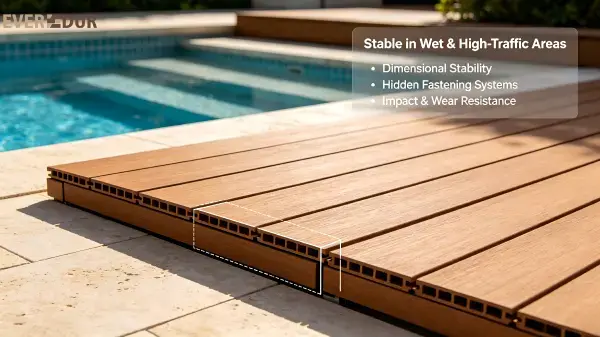
The movement and structural concerns that impair safety in conventional decking are prevented by dimensional stability under different moisture conditions. Boards that expand and contract with humidity generate uneven surfaces, elevated edges, and expanding gaps that cause tripping. The moisture-stable characteristic of composite materials keeps board dimensions and surface levels steady during seasonal fluctuations and daily wet-dry cycles.
Advanced Fastening Systems for Long-Term Safety
Fasteners intended for composite decking improve long-term safety. Hidden fastener clips attach boards from below or along edges, avoiding screw heads that might corrode, loosen, or snag. Composite materials thermally expand, therefore these fasteners enable regulated movement without board buckling or gap development.
Why Is WPC Decking Preferred for Poolside, Resorts, and Outdoor Spaces?
Lower Maintenance and Reduced Operational Costs
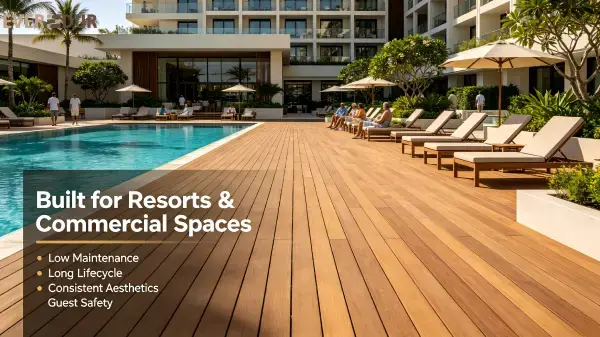
Commercial property managers and resort operators prefer materials that balance initial investment, lifespan expenses, and visitor happiness. Composite decking, such as WPC Decking, meets multiple commercial evaluation criteria. Maintenance affects operating expenses and manpower. Traditional wood decking requires yearly or biannual refinishing, which involves surface cleaning, sanding, staining, and sealant coating. These labor-intensive operations necessitate pool closure for treatment and drying. Composite decking requires just occasional soap and water washing to maintain beauty and cleanliness. Maintenance reduction lowers labor expenses and increases guest facility availability.
Long-Term Durability and Lifecycle Value
Accelerated aging studies and real-world installations suggest composite decking may last 25 years or more in harsh outdoor conditions. Even with careful upkeep, treated timber needs replacing every 10-15 years. Extension decreases refurbishment interruption and distributes capital expenditure across longer years of operation, boosting ROI estimates.
Consistent Aesthetics and Brand Presentation
Commercial environments where brand image and visitor experience rely on looks need aesthetic uniformity. Composite decking doesn't fade, gray, or discolor as genuine wood does in sunshine and dampness. Pool decks don't become uneven or aged like wood installations because of color stability. Resort hotels may coordinate design by matching color palettes or creating bespoke looks.
Enhanced Guest Safety and Comfort
Guest safety drives material choices in liability-conscious business settings. Slip-resistant textured composite surfaces lower accident hazards and damage claims. Splinter-free environments reduce another source of small injuries that may harm guests and increase liability. These safety features provide property managers peace of mind and boost visitor trust.
Sustainability and Installation Efficiency
As companies embrace sustainability standards and guests want eco-friendly amenities, environmental concerns impact purchase choices. Composite decking made from recycled wood fiber and plastic reduces virgin timber use and landfill waste. Recycled material meets green construction certifications and corporate environmental obligations without losing performance or aesthetics. Efficiency in installation impacts project durations and labor costs. Composite decking systems' conventional dimensions, integrated fastening, and predictable material qualities simplify installation compared to natural wood, which requires board inspection, selection, and custom fitting. Composite boards are lighter than hardwood, making installation workers' work easier.SEND INQUIRY
How to Choose High-Quality WPC Decking for Long-Term Poolside Performance?
Understanding Material Composition Balance
Choosing composite decking entails comparing specifications and learning how various formulations work in different situations. Composite materials vary in performance, and pricing alone frequently leads to disappointment. Material composition ratios greatly affect performance. Higher polymer content products are more moisture-resistant and dimensionally stable but less stiff. Higher wood fiber content formulations are stiffer and feel more like wood but absorb more moisture. Quality producers optimise this balance for poolside items, which have more polymer content for water resistance.
Density and Manufacturing Quality Indicators
Measurements of density reflect structural quality and durability in WPC Decking. Denser composite boards withstand scratching, denting, and wear better. Standard density standards are 900-1400 kg/m³, with higher density ideal for commercial poolside applications. Acoustics improve with density, minimizing the hollow sound of low-quality composites. Manufacturing process details show quality discrepancies that end product examination doesn't. Though more expensive, co-extruded boards with polymer cap layers provide better protection than single-extrusion boards. The cap layer thickness and composition should be specified since thin caps wear out quickly in high-traffic regions. Compression molding produces denser, more homogeneous boards than extrusion, but equipment expenses make it rare.
Surface Design, Texture, and Safety Performance
Surface treatments alter performance and appearance. Slip-resistant brushed coatings improve natural wood look with minor texture variations. Sanded surfaces seem smoothest but may lose grip when wet. Grooved profiles improve drainage and slide resistance but need more regular cleaning in debris-filled groove channels.
Color Selection and Long-Term Visual Stability
Color choosing requires combining aesthetics and practicality. Lighter colors fade less and stay cooler in direct sunshine, but they stain more easily. Darker tones conceal discoloration and provide drama, but they absorb more heat and fade faster in direct sunlight. Through color diversity, multi-tonal and varied wood alternatives look natural and reduce noticeable fading.
Certifications, Standards, and Warranty Protection
Testing certifications and compliance criteria objectively validate performance. Quality composite decking fulfills international slip resistance criteria via wet coefficient of friction testing. Load-bearing capacity certificates verify commercial structural adequacy when code requirements exceed residential norms. Color stability and material degradation resistance are measured by UV aging tests during multi-year solar exposure. Warranty terms show manufacturer confidence in product durability and performance. Quality craftsmanship and durable materials are indicated by 25+ year structural integrity, stain, and fading guarantees. Check warranty restrictions and maintenance requirements, since some warranties are voided if cleaning products or installation techniques aren't followed.

Conclusion
Safety, upkeep, aesthetics, and price must be considered while choosing poolside decking materials such as WPC Decking. With designed materials that resist moisture damage, slip resistance, and low maintenance, composite decking technology solves the problems of damp, high-traffic outdoor situations. Wood-plastic composite decking is ideal for pool surrounds, resort aquatic amenities, and residential outdoor areas because to its waterproof performance, anti-slip surface texturing, and dimensional stability. The material's resilience to chlorinated water, UV radiation, temperature variations, and high foot traffic assures long-term performance that justifies initial investment via decreased maintenance costs and prolonged service life. Composite decking materials with natural wood looks and safety features are popular with homeowners. Customizable surface textures, colors, and profiles meet project needs and design preferences without impacting performance. As composite manufacturing technology advances, products provide heat reflection, antimicrobial compounds, and higher recycled content percentages. These advances make composite decking, including WPC Decking, more appealing to environmentally concerned consumers and business operators seeking sustainable construction materials without sacrificing utility or attractiveness.SEND INQUIRY

FAQ
1. What maintenance does composite decking require around swimming pools?
Periodic mild soap and water washing removes grime, sunscreen residue, and organic debris. Composite decks don't need sealing, staining, or refinishing. A mild scrape with certified composite deck cleaners usually removes stubborn food and beverage stains. Avoid close-range pressure washers and strong chemical cleansers that might harm surface texture. Annual fastener inspections assure secure connection, although correctly placed concealed fastening systems seldom need modification.
2. How do composite decking temperatures compare to wood or stone in direct sunlight?
Composite decking doesn't absorb heat like stone, concrete, or black pavers, but it may feel warmer than wood in direct sunshine. Modern composites include heat-reflective additives that lower surface temperatures. Colors are colder in lighter shades. Strategic landscaping with shade structures or trees cools all decking materials. Composite surfaces cool quickly after sunset or shade, highlighting the heat retention disparity during peak afternoon solar exposure.
3. Can composite decking be installed directly over existing pool decking?
The decking type and structural condition determine installation over existing surfaces. Support framework with correct spacing prevents drooping and allows airflow under composite boards. Good-condition solid concrete pool decks may support sleeper systems for composite joist spacing. Remove deteriorated decking to maintain structural integrity. Professional installation assessments decide if overlay installation is viable or whether total removal and rebuilding are needed for best outcomes.

Partner With a Trusted WPC Decking Manufacturer for Your Next Poolside Project
For Construction Firms and Pool Contractors: As a WPC Decking supplier, we provide project-specific technical support, bulk volume pricing, and flexible delivery schedules that align with your construction timelines. Our experienced team assists with material quantity calculations and installation guidance to ensure successful project completion.
For Resellers and Building Materials Wholesalers: Exclusive wholesale pricing structures, comprehensive product samples, and marketing support materials help you confidently serve your customers. Our consistent product availability and quality control ensure your reputation remains intact with every order.
For End Customers: Complimentary design consultation services help visualize your pool deck transformation, while detailed installation guidance empowers DIY projects or facilitates contractor coordination. Sample boards available upon request allow you to evaluate color, texture, and quality before committing to your purchase.

Our composite decking products comply with international quality standards including EU CE certification, US ASTM D7039 structural performance requirements, and China GB/T 24137 specifications. Environmental certifications include verified recycled content and E0 environmental standards for indoor air quality safety. Every product batch undergoes rigorous quality testing to ensure consistent performance characteristics. Contact our team at violet@wpcsupplier.com to discuss your specific poolside decking requirements, request technical specifications, or arrange sample evaluation. We're committed to helping you select the optimal composite decking solution that balances performance needs, aesthetic preferences, and budget considerations.
References
1. American Society for Testing and Materials. (2021). Standard Specification for Cellular Polyvinyl Chloride (PVC) and Wood-Plastic Composite (WPC) Deck Boards. ASTM International.
2. Chen, L., & Zhang, Y. (2020). Performance Evaluation of Wood-Plastic Composite Materials in High-Moisture Outdoor Applications. Journal of Building Materials Science, 15(3), 187-203.
3. European Committee for Standardization. (2019). Wood-Plastic Composites: Specifications and Test Methods for Outdoor Applications. CEN Technical Report.
4. Morrison, R. K. (2022). Slip Resistance Testing Methodologies for Wet Surface Walking Areas. International Safety Standards Publishing.
5. National Association of Pool and Spa Professionals. (2021). Material Selection Guidelines for Pool Deck Construction and Renovation. Technical Advisory Committee Report.
6. Peterson, J., & Williams, H. (2023). Lifecycle Cost Analysis of Composite Versus Traditional Decking Materials in Commercial Applications. Facilities Management Quarterly, 28(2), 45-62.
7. Zhang, M. (2020). Thermal Properties and Heat Mitigation Strategies for Outdoor Composite Decking Systems. Materials Science and Engineering Review, 12(4), 312-328.
Send Inquiry
You may like