_1777451497595.webp)
Top Benefits of WPC Decking for Residential and Commercial Use in 2026
2026-04-21 17:12:53
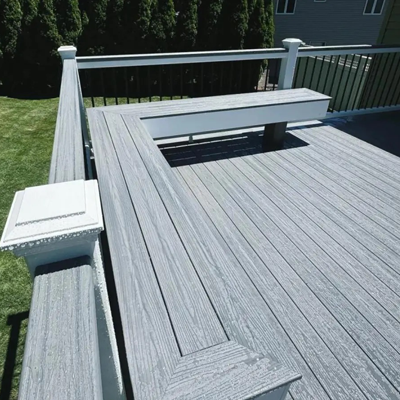
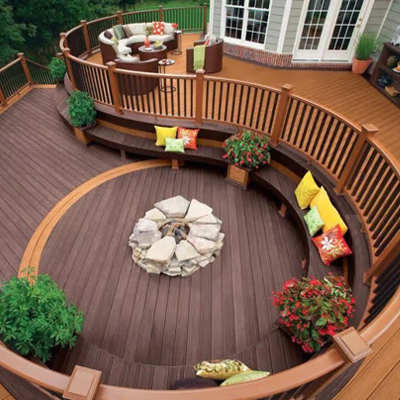
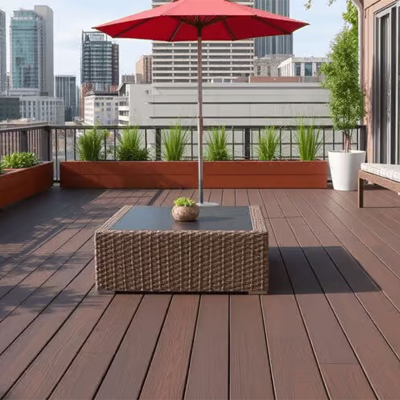
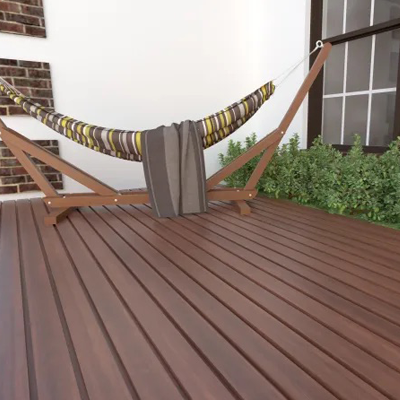
WPC Decking is leading the way in outdoor living area makeover. This revolutionary material mimics genuine wood without the care by combining wood fibers with high-performance plastics. Composite decking offers unrivaled adaptability for backyard patios and coastal boardwalks. Despite dampness, insects, and UV damage, the material remains structurally sound in many climes. Commercial developers love the load-bearing capability that withstands thousands of daily footfall, while homeowners cherish the splinter-free surface that keeps children safe during playing. As environmental awareness influences 2026 purchases, these goods' recycled material meets sustainable aspirations without sacrificing functionality. From comfortable home balconies to lively hotel courtyards, this decking technology meets current exterior design demands while saving long-term operating costs via little care.
What Is WPC Decking and Why Is It Gaining Popularity in 2026?
Wood-Plastic Composite, or WPC, is a material that is made by mixing small pieces of wood with flexible plastics. This fusion makes a product that looks like warm natural wood but doesn't have any of the problems that come with it, like rot, splintering, and bug damage. During the manufacturing process, these parts are pressed together using controlled heat and pressure. This makes boards that don't change size when the temperature changes.
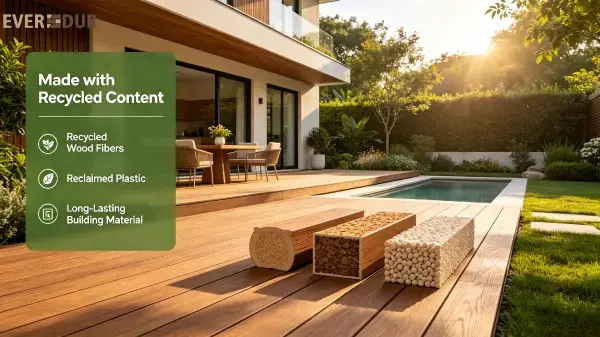
People are much more aware of how traditional wood affects the environment. Concerns about cutting down trees and the need for chemical treatments push many people toward other options. These worries are eased by the fact that composite decks uses recycled materials in its production. A lot of companies use recycled wood fibers and plastic that has already been used, turning trash into long-lasting building materials.
The useful benefits become clear as you use it every day. Wood needs to be sealed, stained, or painted every year, but WPC surfaces only need to be cleaned with soap and water every once in a while. This ease of use is especially welcome by busy families and property managers who are in charge of several places. The color-fastness of the material means that the dark browns, grays, or wood tones chosen during installation will still look good years later, without any maintenance.
Improvements in technology keep opening up new design options. Co-extrusion methods surround composite cores with safe polymer shells that make them less likely to scratch or stain. Texturing methods on the surface can copy the grain patterns of rare hardwoods, giving products a high-end look at an affordable price. Adoption rates are going up in both home remodeling and business building projects as these new ideas become more common.
Core Functional Benefits of WPC Decking for Outdoor Spaces
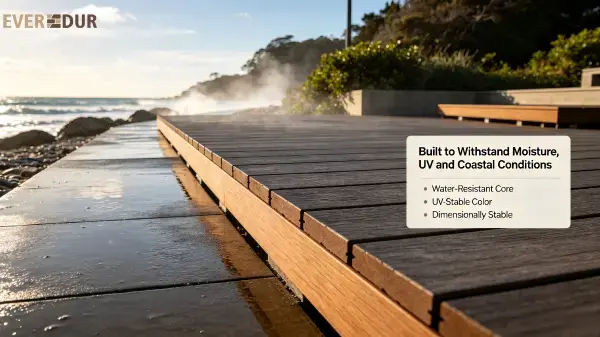
The main thing that makes WPC valuable is that it lasts a long time. The polymer substance makes a shield against water that stops water from absorbing, which is what causes wood to rot. This trait is very important in wet areas or near the coast, where salt air speeds up the breakdown of materials. Even when it rains, snows, or the air changes with the seasons, boards don't change shape or bend.
Less maintenance directly leads to lower costs and more ease. Property owners no longer have to pay for seals, marks, and special cleaning products on a regular basis. The hours that were once spent sanding down rough spots or fixing broken parts are now used for fun. This feature is especially helpful for commercial buildings because maintenance teams can focus on other tasks instead of constantly cleaning the deck.
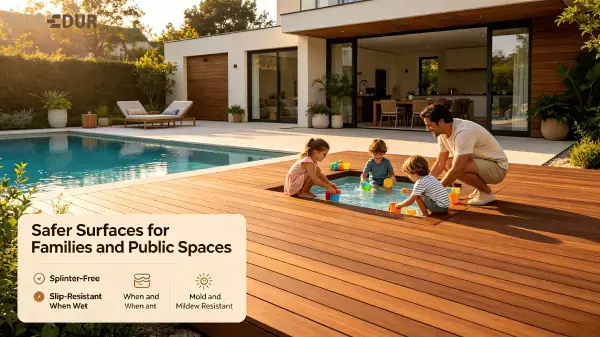
When choosing materials, especially in public places, safety is an important factor. WPC outdoor decking has features that make it less likely to slip, even when it's wet. This makes businesses less worried about risk. Surfaces without splinters are safer for people who walk barefoot near pools or play areas. Unlike wood, which can grow mold or mildew in shady spots, good plastics have antibacterial properties that stop fungi from growing.
Aesthetic freedom lets different building styles work together. Modern designs with clean lines look good with grooved profiles, while traditional homes look good with etched wood grain patterns. The color schemes run from light sand tones to deep charcoals, so they can be used with buildings or greenery that are already there. The material can be used with secret fastening systems that get rid of the need for obvious nails. This makes large projects look more uniform.

Why Is WPC Decking Ideal for Both Residential and Commercial Projects?
The material is great for residential uses because it can be used for smaller jobs. People who want to change the look of their balconies, patios, or yard paths like how easy it is to install. Composite boards can be cut with regular tools, so do-it-yourselfers can carry out their own ideas without needing special tools. Because it's not as heavy as stone or concrete, it's easier to move around during the building process.
The main goals of private outdoor design are privacy and relaxing, and WPC consistently supports these goals. Families who have parties on the weekends or coffee rituals in the morning count on surfaces that stay cool in the summer, which is a feature that is built into many composite recipes. The dense nature of the material stops sound from traveling, making spaces quieter than hollow options. Even after decades of use, the boards still have the same size, so there are no holes or odd surfaces that make them less comfortable.
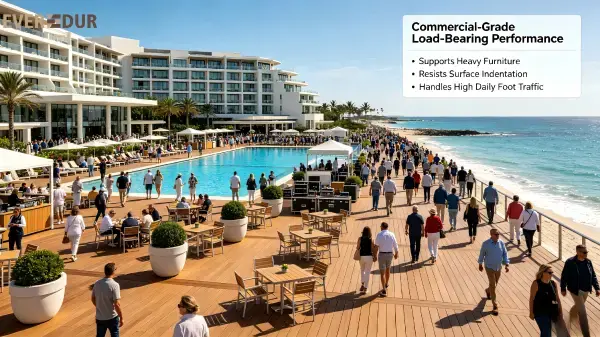
For business reasons, materials need to be able to handle heavy use without breaking down too soon. Guests constantly walk through hotels and resorts, going from pools and restaurants to recreation areas and more. WPC can hold a lot of weight without stress cracking, so it can be used for furniture setups, plants, and temporary event structures. The physical stability keeps people from tripping over boards that move or settle in areas with a lot of foot traffic.
Large projects gain from regular supply quality and the ability to make changes. When architects choose materials for shopping areas or waterfront projects, they need to know that different orders of the same color will match. Professional-grade WPC systems can be built on top of metal or steel substructures, which meets the technical standards for public infrastructure. The material's performance was tried under rapid aging methods, which meets legal standards and fulfills guarantee duties.
How Does WPC Decking Improve Long-Term Cost Efficiency and Maintenance?
Comparing initial investments for Composite Decking shows that prices are similar when looking at the total cost of the project. At first glance, luxury composite choices may seem more expensive than basic pressure-treated lumber, but the numbers change when installation costs are taken into account. When compared to standard face-screwing methods, hidden fastener systems cut down on installation time. Getting rid of the pre-drilling steps speeds up project timelines and lowers labor costs for workers who are working to tight deadlines.
With lifecycle research, you can see where real saves are made. If you have a wooden deck, you should restain it every two to three years. This takes time, money, and materials. Composite substitutes don't have any of these long-term prices over their 25-year lifespans. The financial benefit grows every year as the saved upkeep costs add up and the original surface keeps working well without any changes.
Long-term planning takes replacement processes into account. Wood parts that are in touch with the ground or that stay wet for a long time usually break within 10 to 15 years, needing to be rebuilt in whole or in part. WPC structures often last longer than 25 years with little wear and tear, which delays big capital expenditures. This longer service life is especially helpful for business property managers who have to stick to set budgets and plans for depreciation.
Energy issues have a small effect on running costs. Lighter-colored composites better reflect sunlight than dark-stained wood, which keeps heat from absorbing. This feature makes it more comfy to be outside during the hottest months of the year, which could mean less reliance on nearby air conditioning systems inside. The thermal qualities keep the surface temperatures stable, which makes it easier to use during the day.
What Makes WPC Decking a Future-Proof Outdoor Solution in 2026?
Environmental laws are getting stricter around the world, which is pushing businesses to use more environmentally friendly methods. By keeping plastic trash out of dumps and cutting down on the cutting down of new trees, composite production is in line with the ideas of the cycle economy. Products that get the Recycled Content approval make measured contributions to the environment that appeal to eco-friendly customers and companies that have to meet sustainability goals.
As weather trends become less reliable, climate adaptation becomes even more important. WPC is resistant to ranges of wetness, from heavy rain to long droughts, so it works well even when the weather changes in a region. When it rains, the material doesn't grow too much, and when it dries out, it doesn't shrink too much. This keeps the walking areas safe during weather changes that damage other materials.
Adding technology to public areas makes them smarter in new ways. Manufacturers are looking into putting LED lighting systems inside wood boards so that paths can be lit up without any extra lights. Designs that work with sensors could keep an eye on things like surface temperatures or structure loads and send the information to systems that control buildings. Because of these changes, WPC is now seen as a base for new technologies rather than just a neutral building material.
Biophilic design concepts that make indoor and outdoor spaces feel like they are connected are popular right now. Composite decking makes this possible by providing smooth flooring changes from inside to outside patios. Because the material works with natural heating systems, it can be used all year long in cooler climates. This turns outdoor areas into useful places all year long. As working from home becomes more common and home offices move into parks, durable outdoor flooring can adapt to new ways of living.

Conclusion
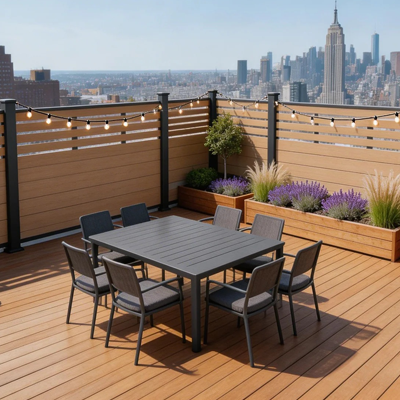
Durability, sustainability, and aesthetic adaptability make WPC decking the best option for modern outdoor projects. Maintenance-free surfaces boost property values and facilitate family activities year-round for homeowners. Commercial developers employ durable materials that fulfill safety and environmental regulations. Comparisons of lifespan costs to conventional options show that maintenance savings balance initial expenditures within a few years. Composite formulations improve performance to meet new applications as material science advances. WPC can withstand salt spray on seaside boardwalks and severe temperatures on urban rooftop terraces. The track record of thousands of installations gives stakeholders confidence in long-term outdoor infrastructure investments. Material selection needs decades of utility as well as aesthetics. Composite solutions safeguard investments and reduce responsibilities with constant performance. WPC technology creates durable and inspiring outdoor areas for personal getaways and large commercial venues.
Frequently Asked Questions
1. How does WPC decking perform in extreme weather conditions compared to natural wood?
Composite materials have excellent temperature and moisture stability. Polymers protect wood from swelling, cracking, or rotting due to water absorption. In cold areas, WPC resists ice expansion cycles that shatter wood. UV inhibitors keep wood from fading and graying in direct sunlight. The features guarantee consistent functioning from desert heat to coastal dampness without periodic maintenance.
2. Can WPC decking support heavy furniture and high foot traffic in commercial settings?
Professional composite systems are designed for public space load-bearing. Heavy planters, seats, and dining furniture don't deflect dense polymer-wood mixes. Surface indentation marring softer timbers is prevented by compressive strength. Joist spacing and foundation design disperse loads, allowing hotels, restaurants, and recreational facilities to accommodate thousands of daily visitors without premature damage.
3. What environmental certifications should I look for when selecting composite decking products?
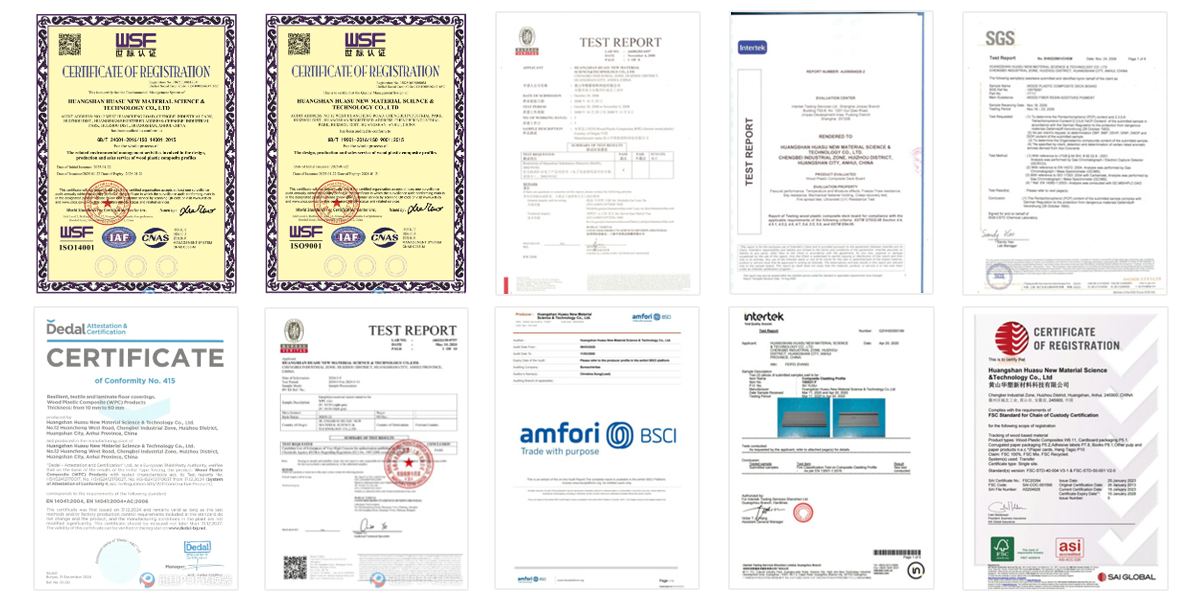
Quality producers verify recycled material percentages with third parties, proving environmental promises. Indoor air quality is protected by E0 emissions guidelines' low volatile organic compound release. European CE marking and US ASTM D7039 testing verify structural performance and safety. GB/T 24137 governs composite wood product parameters in China. Requesting certification paperwork assures project material authenticity and regulatory compliance.
For Property Developers, Contractors, and Homeowners: Partner with a Trusted WPC Decking Manufacturer
Construction firms and contractors may get project-grade composite solutions with technical assistance throughout installation. We give designed specifications, load calculations, and site-specific suggestions for code compliance and warranty protection. Multi-phase development procurement is simplified by bulk ordering.
For building materials wholesalers: Offer competitively priced WPC systems to suit market demand. Enjoy consistent quality, adjustable order amounts, and retail customer-beneficial samples. Our goods meet EU CE, US ASTM D7039, and China GB/T 24137 standards, with Recycled Content certification and E0 environmental ratings.
For homeowners and end users: Free design consultations match materials to your aesthetic vision and practical demands to transform outdoor living spaces. We help you choose colors, install, and maintain your investment to extend its life.
Contact our team at violet@wpcsupplier.com to discuss your specific requirements. Whether sourcing materials for a single residential patio or a multi-acre commercial complex, our experience as a dedicated WPC Decking manufacturer ensures you receive products engineered for enduring performance and customer satisfaction.
References
1. Smith, J.R. & Thompson, L.M. (2025). Composite Materials in Modern Construction: Performance Analysis of Wood-Plastic Alternatives. Journal of Sustainable Building Materials, 18(3), 245-267.
2. European Committee for Standardization (2024). Outdoor Decking Systems: Comparative Lifecycle Assessment of Natural and Composite Materials. CEN Technical Report TR 19447.
3. Anderson, K.P. (2025). Maintenance Cost Reduction Through Advanced Polymer-Wood Composites. Facilities Management Quarterly, 42(1), 78-94.
4. International Association of Certified Home Inspectors (2024). Durability Standards for Residential Outdoor Structures: A 20-Year Longitudinal Study. IACHI Research Publication Series, Volume 12.
5. Martinez, C.D. & Lee, S.H. (2026). Climate Resilience in Building Materials: How Composite Decking Performs Under Extreme Weather Conditions. Environmental Construction Review, 31(2), 112-129.
6. Global Sustainability Standards Board (2025). Recycled Content Verification in Composite Wood Products: Certification Protocols and Environmental Impact. GSSB Technical Bulletin 2025-08.
- Williams, T.A. (2024). Commercial Applications of Advanced Decking Systems: Case Studies from Hospitality and Public Infrastructure Projects. Construction Engineering Journal, 56(4), 334-351.