
Eco-Friendly WPC Decking Installation: Green Tips for Your Project
2026-11-02 18:30:15
Proper site preparation, a robust joist foundation, correct spacing between boards and regular cleaning after the deck is built are all key to eco-friendly wpc decking. The composite boards are made from recycled wood fibres and HDPE plastic, a durable timber alternative for homeowners and contractors that requires no maintenance. To ensure a good installation, level the ground, control moisture and allow for ventilation beneath the boards to prevent warping over time. For gardens, patios and commercial outdoor spaces follow the manufacturer's instructions for the kind of fasteners and expansion gaps. Here you will find a description of each phase of the assembly, the joist system and the clip system as well as tips for the layout of private and public green spaces. If you're a professional stocking up for many jobs, or a homeowner with a weekend project in mind, understanding these green installation practices helps the decking perform well in a variety of situations, and advances sustainable building goals.SEND INQUIRY
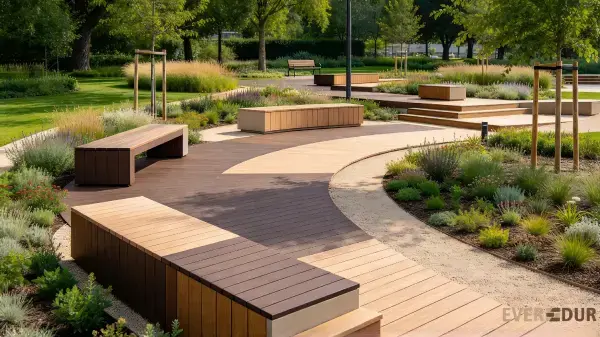

How to Install Eco-Friendly WPC Decking Outdoors?
To install outside, begin by evaluating the ground surface. A gravel foundation or concrete pad is a suitable option since it allows water to drain away from the building, rather than pooling beneath the boards. If you miss this step you may see uneven settling usually months after the project is done.
Once the foundation is completed, moisture barriers are laid down to prevent the joists from becoming wet from the dirt. This is particularly true in areas that get a lot of rain or snow during the winter months. When the barrier is in position, the joists are fastened at regular intervals, normally between 300mm and 400mm apart, depending on the thickness of the boards and the amount of foot traffic you expect.
Composite material is worked and cut just like solid timber, so that boards may be cut to size using normal woodworking tools. Pre-drilling is often not necessary, although it does assist to prevent splitting at the edges. Before you screw each board down, check that it is level. The wider the deck surface, the more obvious little mistakes will be.
The ventilation slits underneath the structure enable air to circulate; less moisture is retained, which assists in preserving structural stability over time. This is why composite decking has been so reliable year after year – and does not suffer from the warping difficulties that solid wood does.
Builders of eco composite planks say the material is particularly forgiving in terms of cutting and fitting, helping to make the entire installation process easy, especially for smaller workers without specialized equipment.

Joist and Clip Systems for Eco-Friendly WPC Decking
Solid composite deck construction uses joist and clip systems. Instead of visible screws, the boards have grooves around their edges, into which slot the hidden clip systems. This results in a smoother surface finish and allows for little thermal movement.
Commonly utilized are aluminium or processed wood joists. But for residential work on a budget, wood joists remain a choice, and aluminium is superior than wood in corrosion resistance in coastal or humid environments. Both alternatives need proper spacing estimates based on local construction standards and load predicted, especially for commercial decking for park or resort walkways.
Clips are normally to be fitted every 300mm along each joist although manufacturers may recommend tighter spacing at the ends of the board to prevent it lifting in temperature change. Stainless steel clips are best since they will not rust if they get wet from rain or sprinklers.
Proper clip placement also works with board expansion and contraction. The composite material has a little expansion with temperature change and the clip systems are designed to handle this expansion without any gaps or buckling being visible. Don't follow the clip interval specifications provided by the manufacturer. A few years down the line it may bulge up and perhaps harm the edges of the board.
For larger commercial projects, contractors might combine joist systems with subframing adjustments to suit uneven terrain. This adaptability makes composite decking an excellent solution for sloping gardens, rooftop terraces and public walkways where the terrain may vary quite a bit across the project site.SEND INQUIRY

Eco-Friendly WPC Decking Layout for Gardens and Outdoor Living
Smart Board orientation helps with garden planning. Running boards parallel to the longest sightline of a yard tend to create an outdoor space that seems larger, while perpendicular arrangements are good for little patios where you want to play up width.
Shorter board lengths are good for curving garden walks since they are easier to cut around planting beds or water features. If you're a homeowner aiming for that resort-style backyard, consider combining two board colours to create a border feature around sitting areas or fire pits.
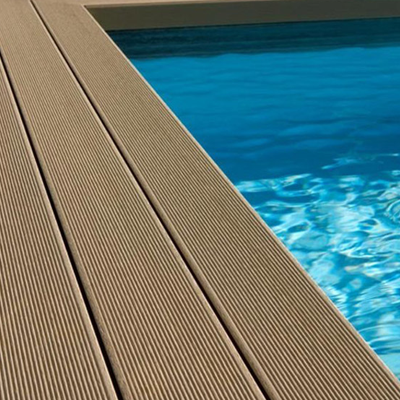
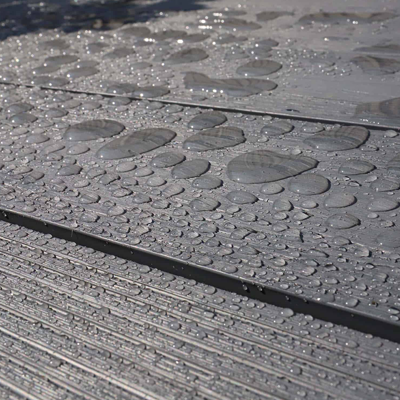
Parks, ecotourism sites and other public green spaces usually need wider walkways with a slip-resistant surface texture. Embossed or wood-grain finishes help to offer traction and will do well on pool decks or other areas that are exposed to rain. You also need to examine the arrangement of the furniture as bigger outdoor furniture may require some additional support beams under high traffic areas.

How Much Space Is Needed Between Eco-Friendly WPC Decking Boards?
The space between boards is typically 3mm - 6mm, depending on the local environment and the board width. In more severe climates with greater humidity swings, somewhat bigger gaps may be needed to allow for expansion in the summer months.
Manufacturers often provide gap widths based on laboratory testing at various temperature situations. If you are a builder working on projects in many countries, including markets in both Europe and North America, make sure to check the legislation thoroughly in those areas. The amount of moisture and the variety of temperatures over the seasons are different.
Side gaps are often less than end gaps between board ends, particularly when two boards are linked end to end. This prevents bending at the spot where the boards are most likely to put up substantial pressure. This is simple for a first-time installation using a non-toxic wpc deck for residential backyard projects. Tools such as spacer tools (often as a part of clip systems) help installers maintain consistent gaps between adjacent boards during installation and ensure that the required spacing is maintained across the entire deck surface.SEND INQUIRY

Eco-Friendly WPC Decking Maintenance After Outdoor Installation
Composite decking is also much simpler to maintain than traditional lumber, although it does need the odd clean to keep surfaces looking fresh. Dirt, pollen and algae development may be simply cleaned away with a simple soap and water washing every few months, no chemical treatments needed.
You can pressure wash but do it at lower levels and with wider nozzle angles so you don't damage the surface. Rather of a hard scrubber, persistent grease or leaf stains are generally cleaned using a soft-bristled brush.
If you're in a colder region and have to shovel snow, choose a plastic shovel, not one with a metal edge that might damage the board surface over time. Check the clip tightness annually so that any loosening due to seasonal expansion and contraction may be detected before it becomes an issue.
Less maintenance costs and less environmental damage from chemical run-off into gardens or adjacent soil since it does not need re-sealing like painted or stained wood.

Conclusion
Eco-friendly wpc decking installation doesn't have to seem complex once you know the basics of foundation prep, joist spacing, and board gaps. Both builders and homeowners appreciate the minimal maintenance and proven effectiveness of the material across a wide range of climates and project types. Careful planning of arrangement and spacing results in a deck that will stand the test of time with little maintenance.SEND INQUIRY

FAQ
Q: Is WPC decking safe for homes with children and pets?
A: Yes, the surface is constructed without sharp splinters and without the use of hazardous chemical treatments, making it a fairly safe solution for family backyards.
Q:Can composite decking be installed directly on soil?
A: It is best to initially utilize a concrete pad or gravel basis, since joists beneath it will be exposed to more moisture and will have a shorter lifetime when in direct touch with soil.
Q: How long does composite decking typically last outdoors?
A: Typically 10 to 25 years, depending on the product line and climatic exposure, when properly installed and cleaned regularly.

For Construction Firms, Fence Contractors, Resellers, and Building Materials Wholesalers
For construction companies: bulk order support, technical installation assistance; For fence contractors: project-specific samples and flexible lead times; For building materials wholesalers: special wholesale prices and free samples; For end customers: complimentary layout advice and installation help. Everdur is a professional eco-friendly wpc decking manufacturer. Our decking products are EU CE standard compliant, US ASTM D7039 and China GB/T 24137 compliant. We are also Recycled Content certified and E0 environmental standards compliant. Please contact us at violet@wpcsupplier.com for samples, price sheets, and technical documents for your project scope.

References
1. American Society for Testing and Materials. Standard Test Method for Evaluating Structural Capacities of Wood-Plastic Composite Deck Boards.
2. European Committee for Standardization. CE Marking Requirements for Construction Products.
3. Forest Stewardship Council. Guidelines on Recycled Wood Fiber Sourcing for Composite Materials.
4. International Organization for Standardization. ISO 9001 Quality Management Systems Requirements.
5. National Association of Home Builders. Outdoor Living Space Construction Guidelines.
6. Standardization Administration of China. GB/T 24137 Wood-Plastic Composite Products Testing Standards.
Send Inquiry

Related Industry Knowledge
- Upgrade Your Outdoor Spaces with WPC Railings
- Wholesale Wood Plastic Composite Fence Panels: Bulk Supply & Factory Prices
- Low MOQ WPC Commercial Building Facades: Perfect for Small Commercial Projects
- Is WPC composite fencing stronger than wood?
- Weather Resistant Brushed WPC Decking: Perfect for All Climates
- How to Choose Exterior WPC Cladding for Your Building
- Why Exterior WPC Cladding Is Better Than Vinyl for External Walls
- Eco-Friendly Co Extrusion WPC Decking: Sustainable Outdoor Solution
- How to Choose WPC Cladding: Material, Design and Installation Tips
- Top Hollow WPC Decking Designs for Modern Gardens