
How to Choose Balcony WPC Decking for Your Home’s Style
2026-11-26 23:55:54
With so many types of decking available today, it may be difficult trying to decide on the best material for your balcony. Balcony WPC decking is becoming more popular with house owners who desire the warmth of genuine wood, but without the regular maintenance it requires. Whether you have a house with a vast rooftop terrace or an apartment with a tiny balcony, choosing a decking solution that suits the outside aspect of your property is just as essential as durability and affordability. This page covers the practical issues that will affect your decision, from color and texture to board size and manner of installation. You will also discover how a good balcony residential deck may turn a little outside area into a comfortable refuge that will resist the elements, foot traffic and the passage of time. You'll be certain that you've selected a decking design that suits your taste and climate.SEND INQUIRY
How Does Balcony WPC Decking Complement Different Home Exterior Styles?
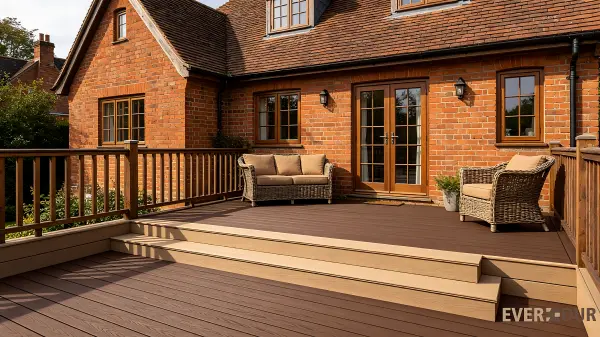
Balcony decking should be an extension of the design of the house, not an afterthought. Every property has its own architectural personality. Another reason why WPC decking is so popular with renovators and builders across Europe and North America is that there is a wide enough selection of color, texture and finish to fit almost any façade. Matching decking to architecture takes a little work, but the return is there every time you step outdoors.
Modern and Minimalist Facades
Tones like Stone Gray or Dark Gray are ideal for houses with clean lines, broad glass panels and neutral exterior palettes. Many composite boards have a brushed surface that is smooth and consistent with the understated look required by minimalist design. The material doesn't deform so the smooth, level surface stays visually consistent for years. This is vital for a design that depends on clear geometry. A muted gray residential balcony deck won't compete with distinctive architectural aspects such as exposed concrete or metal railings, allowing the structure to speak for itself. A popular choice among homeowners is gray decking with black or dark bronze fasteners for clean sightlines and a minimalist look.
Traditional and Rustic Homes
Brick exteriors, sloping roofs and wood-trimmed windows beg for decking inviting natural warmth. Teak, Walnut or Cedar shades give you the familiar wood-like quality without the upkeep hassles of genuine timber. Composite boards may also be embossed with a wood grain texture that looks so much like actual grain patterns that many visitors couldn't tell the difference just by looking. A walnut-toned balcony wood grain WPC board paired with the trim color of a conventional house produces a unified effect that seems intended, not discordant. This is especially effective for older houses being refreshed with a balcony, since it maintains the outside look in keeping with the rest of the property.
Coastal and Mediterranean Properties
Homes by the shore, especially those with a Mediterranean vibe, tend to utilize light, sun-washed palettes. Ivory, sandal wood and ash gray colors are appropriate here since they reflect heat instead of absorbing it, meaning the deck surface will be cooler to walk on in the summer. The salt air and the humidity may be hard on traditional wood decks, so the moisture resistance built into composite material can be a big plus in these situations. A lighter shade of WPC decking on the balcony also helps little coastal balconies seem bright and airy, not closed in.
Matching your decking to your house exterior is not only an issue of looks. The right blend of color and texture affects how much heat is absorbed by the surface, how obvious dirt and footprints appear and how well the deck matting ages with your home's siding or stonework. When comparing samples, it's best to compare them to your actual exterior—not just to pictures. You'll receive better outcomes. Most vendors will provide you real examples of colors so you can see what a board looks like in your local lighting circumstances before you drop the big bucks. When selecting, take into account not only your personal taste, but also the weather patterns in your region and sun exposure throughout the day.SEND INQUIRY
Balcony WPC Decking Colors and Wood Grain Textures for Modern Outdoor Design
The choices of color and texture often have more impact on the daily experience of a balcony than most homeowners anticipate. Balcony WPC decking is available in a range of finishes also so that you may construct space that is in keeping with your architectural style and personal choice.
Popular Color Options for Outdoor Living
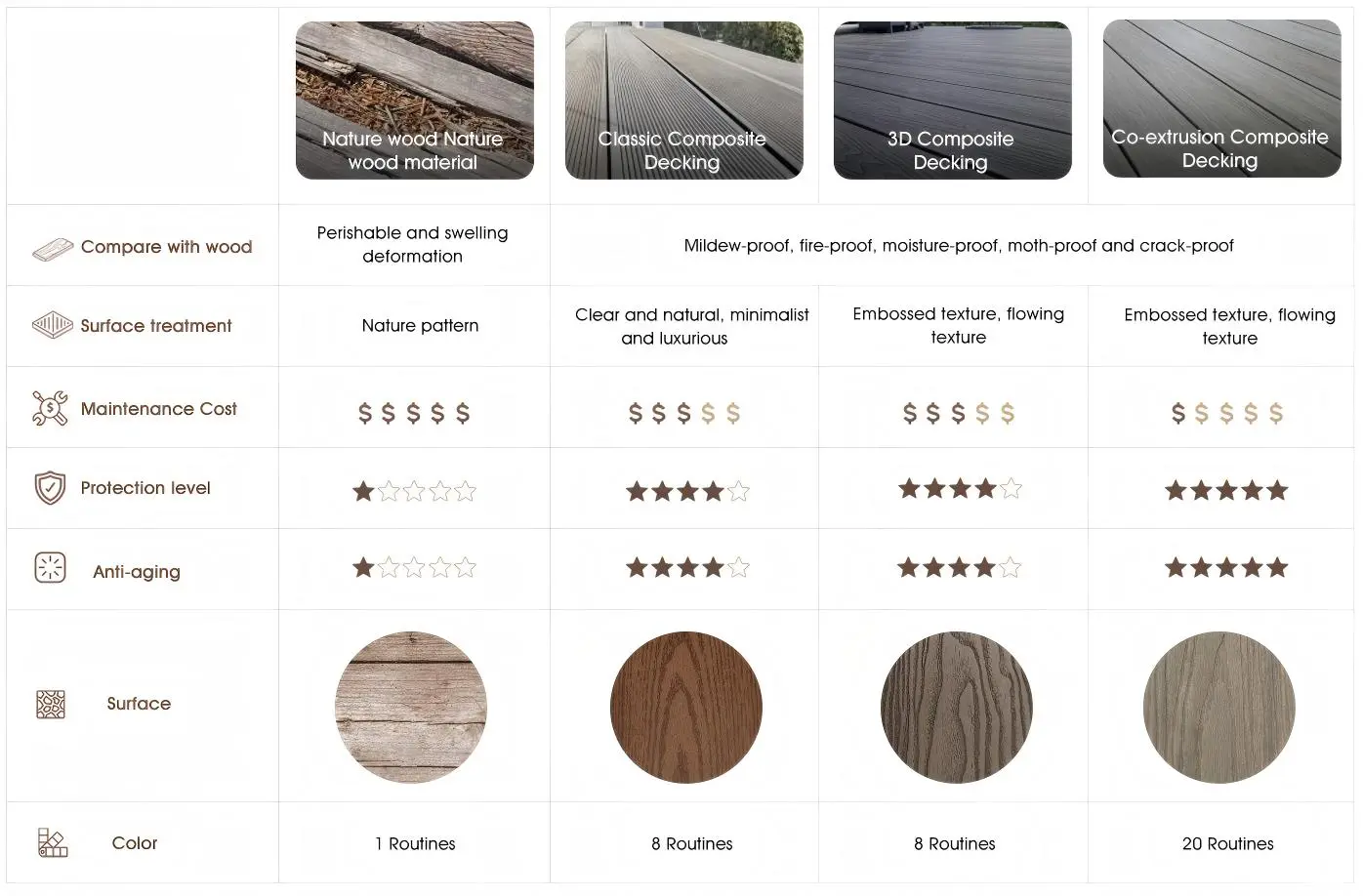
Most composite decking producers include a basic color card with hues including Ash Gray, Coffee, Copper Brown, Mocha, and Stone Gray and classic colors like Teak and Walnut. Gray tones have become increasingly popular the past many years, since they blend with just about every exterior palette, from brick to stucco to vinyl siding. Warmer browns like as Coffee or Copper Brown tend to look best on homes with earthy or rustic exteriors. Not all the selected color cards will be suitable to the design idea. Many manufacturers may offer color alteration off the card so that the full deck will fit a project theme or necessity of building.
Wood Grain and Surface Texture Choices
Surface texture also affects the look and feel of a deck underfoot. Embossed finishes replicate the grain patterns of real wood, providing a depth of visual appeal to the board that flat, smooth surfaces lack. The brushing and sanding finishes provide a softer, more contemporary texture, ideal for modern homes looking for a cleaner esthetic. You may get a deep embossed WPC board that has a wood grain finish and from a distance it can appear like hardwood decking , which is great for house owners who want the natural look but don't want to have to do frequent sealing or staining . Texture, however, is not without its value, because embossed and brushed surfaces adhere better when wet than perfectly smooth boards--a safety factor of considerable relevance for balconies exposed to rain or snow.
Pairing Colors with Furniture and Railings
The color of the decking itself is irrelevant. “It has to work with railing materials, planters, outdoor furniture and even the color of window frame. Mixing black metal railings with white or cream furniture and dark gray or coffee-coloured decking creates contrast, not clutter. Choose lighter tints such as Ivory or Sandal Wood to complement wooden furniture or warm toned pillows, the same undertones will tie the entire room together. To make sure the combination looks well in natural daylight (which may be very different from how colors seem inside or in product photos), try spreading down a few sample boards next to existing railing or furniture items.
Planning a balcony repair may be one of the most enjoyable parts of the job but this too can be done sensibly. By considering the appearance of the deck in varied lighting, seasons and with existing design elements it tends to provide a project that looks great years down the road, not just on installation day. The changing sun angles over the seasons might alter the outdoor appearance of a hue. Taking samples at different times of the day gives a more accurate impression.SEND INQUIRY
Can Balcony WPC Decking Make a Small Balcony Look More Spacious?
Small balcony design is a particular challenge in that each material choice either amplifies the sense of being squeezed or allows the space to breathe. If installed and finished correctly, balcony residential deck WPC decking may make a little balcony seem larger.
Board Direction and Visual Flow
Signs giving directions may change the way an outside area looks. If you arrange your boards the length of a tiny balcony they have a way of pushing the eye out along that axis and making it seem longer. Diagonal board designs are not as popular, but they can serve to disguise strange balcony shapes by breaking up the straight lines which may otherwise emphasize how small the area really is. Installers may construct a configuration that reduces visible seams using standard board lengths of 2200 mm or 2900 mm, which further adds to a cleaner, more open look.
Lighter Colors and Perceived Space
The impact of color on the impression of outdoor space has been intensively explored. Light colors reflect more light than dark colors. Lighter colors like Ivory, Ash Gray or Stone Gray reflect more light than a Dark Gray or Coffee color which may help a small balcony seem brighter and less enclosed. The effect is particularly evident on balconies with little direct sun, such as those facing north or overshadowed by taller buildings in the vicinity. If the balcony's WPC decking has a light tone, this impression is further enhanced by railings or walls of a similar light tone, since the eye does not encounter a stark contrast which makes the area seem smaller visually.
Lightweight Hollow Construction Advantages
Many composite deck boards, particularly hollow-core boards, weigh much less than solid wood or stone pavers of the same size. This is particularly true on balconies, as most residential buildings have weight restrictions for outdoor spaces on upper stories. Deck materials may be lighter, so homeowners can add furniture, plants or storage on the deck without being near weight limits. water also helps with natural drainage so water doesn't pool up on top when it rains, which might be an issue on narrow balconies with limited runoff space. The boards are set directly on joists and clips, without the need for a heavy subfloor. The overall buildup is low profile, conserving headroom and avoiding an uncomfortable step up from the level of the interior floor.
Small balconies don't have to seem like an afterthought. A smart balance of board orientation, color choice and lightweight construction may make a tiny outdoor space seem much bigger than its square footage would indicate. Often times, these solutions are also more cost effective than structural upgrades. This is because they are design considerations, which do not involve modifying the physical footprint of the balcony itself.SEND INQUIRY

Balcony WPC Decking Materials, Weather Resistance and Long-Term Durability
This is one of the most pragmatic elements of any buying decision. The composition of the material will determine how well a balcony deck will stand up over the long run. Balcony WPC decking is a composite material comprising wood powder, HDPE plastic and chemical additives, which has distinct properties from solid wood and simple plastic lumber.
Understanding Co-Extrusion Technology
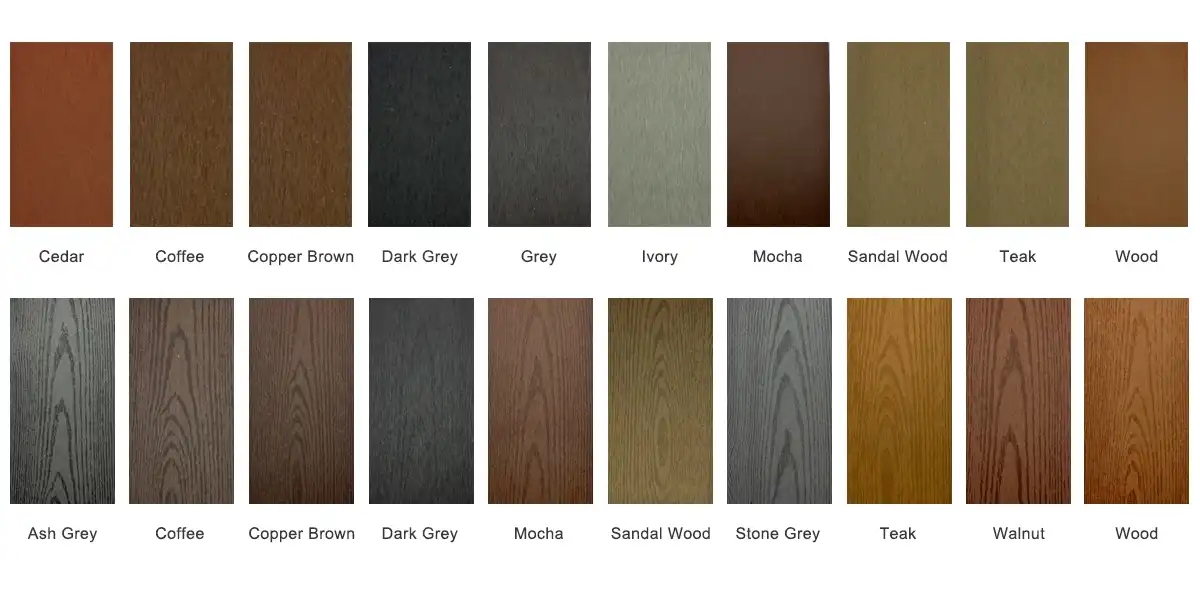
The second generation co-extrusion process manufactures a board with an inner and outside distinctive core material by adding a protective outer layer during production. The outer shell prevents moisture penetration and surface fading. The core provides structural strength and dimensional stability. The multi-layer approach addresses one of the biggest criticisms of prior generations of composite decking where certain colors faded unevenly or absorbed more moisture than anticipated at the cut edges. The co-extrusion method is already a standard feature for experienced manufacturers since it extends the practical lifespan of the product without significantly adding to production expenditures.
Resistance to Moisture, Pests, and UV Exposure
Wood decking has to be sealed periodically to prevent water absorption, but even with proper maintenance, it may deteriorate, develop mildew and attract insects over time. And since composite decking is made of HDPE plastic, it doesn't serve as a food source for termites and other wood-boring insects as traditional timber does. So it eliminates one of the most persistent maintenance difficulties of traditional lumber. Testing UV exposure Composite decking boards, including balcony wood grain WPC, will usually demonstrate very little color fading after over 2000 hours of simulated solar exposure. This is a good yardstick of how the material will hold up to years of real-world solar exposure. This resilience is particularly important for south- and west-facing balconies where the deck surface is exposed to intense sunlight for lengthy periods during the day.
Expected Service Life and Maintenance Needs
The typical life expectancy of composite balcony decking is 10 to 25 years, depending on climatic circumstances, quality of installation and the generation of the product used. That range is comparable to pressure treated lumber that might need replacement or substantial repair in 10 to 15 years, even with periodic sealing and staining. Unlike wood decking, composite decking merely has to be washed with soap and water occasionally to remove surface dirt or debris, and does not need sanding, staining or sealing every year. This decrease in maintenance effort is particularly advantageous in balcony applications where the access for heavy maintenance equipment is often limited. Homeowners who chose a residential balcony deck made from composite material will spend far less money and time on upkeep over 10 years than those who put in traditional wood decking over the same period.
The material quality is much more important than the deck's “looks” on Day One. Whether a decking investment pays off throughout its expected lifespan depends on how well the material's composition and production method holds up to temperature variations, moisture exposure and years of foot movement.SEND INQUIRY

Balcony WPC Decking Layout, Board Sizes and Installation Options
The plan and dimensions are important to get correct as they will determine the final look of the balcony and how easy the installation procedure will be. Balcony WPC decking comes in numerous standard sizes and knowing the correlation between the sizes and the different balcony designs can save you from expensive errors in your planning.
Choosing Board Width and Thickness
Balcony decking planks are generally 135 mm to 150 mm wide and 20 mm to 25 mm thick. Common size combinations include 140×20 mm, 138×23 mm and 150×25 mm. Narrower boards work better on smaller balconies. There are more seams across the same amount of space, which may produce a more detailed and proportionate appearance rather than being dominated by a few of large planks. Boards that are thicker, typically between 23 mm and 25 mm, provide more structural strength. This is important for balconies that will have heavy furniture or plants on them or will be walked on often. The standard lengths of 2200 mm and 2900 mm provide for most residential balcony requirements with bespoke lengths available for non-standard layouts or bigger terrace areas.
Click-Lock Systems vs Joist and Clip Installation
Two installation methods dominate the balcony decking market today. Joist and clip systems involve fastening boards to an underlying support structure using hidden clips, creating a clean surface free of visible screws or nails. This method works well for new construction or full balcony renovations where the substructure can be built to the correct specifications from the start. Click-lock systems, by contrast, allow boards to interlock directly without a separate clip for each board, simplifying installation considerably for homeowners handling the project themselves. Click-lock decking suits smaller balcony retrofits where a full substructure rebuild is not practical or necessary. Both methods accommodate the hollow-core board designs common in balcony applications, since the lighter weight of hollow boards reduces strain on the underlying joists regardless of fastening method chosen.
Planning Layout for Drainage and Airflow
Balconies face a particular drainage challenge that ground-level decks typically avoid, since water needs somewhere to go other than directly onto a floor below. Planning board spacing with slight gaps allows rainwater to drain through rather than pooling on the surface, reducing slip hazards and preventing water damage to the structure underneath. Hollow-core boards assist with this process by channeling water along internal cavities rather than allowing it to sit on the surface. Airflow underneath the decking also helps the boards dry faster after rain, which supports the material's long-term dimensional stability. When planning layout direction, running boards perpendicular to the balcony's primary drainage slope, where one exists, tends to produce better water management than running them parallel to that slope.
Getting board size and installation method right from the start saves considerable time and expense later. A balcony deck installed with proper spacing and the correct board thickness for its intended use tends to perform reliably for its full expected service life, while mismatched sizing or improper installation can shorten that lifespan regardless of material quality.SEND INQUIRY
Conclusion
Selecting the right balcony WPC decking comes down to balancing style preferences with practical performance needs. Color and texture choices should complement your home's exterior, while board size and installation method need to match your balcony's specific dimensions and structural limits. Material quality, particularly co-extrusion technology and UV resistance, determines how well the deck holds up over years of weather exposure and daily use. Small balconies benefit from thoughtful color and layout decisions that create a more open feel without requiring structural changes. Taking time to compare samples, check certifications, and confirm installation requirements before ordering tends to produce a better long-term result than rushing the decision. A well-chosen balcony WPC decking solution should serve your household reliably for well over a decade while still looking like it belongs with the rest of your home's design.SEND INQUIRY
FAQ
Q: How long does balcony WPC decking typically last?
A: Most balcony WPC decking products carry an expected service life between 10 and 25 years, depending on local climate, installation quality, and which product generation was used in manufacturing.
Q: Can balcony WPC decking be installed over an existing concrete balcony surface?
A: Yes, joist and clip systems or click-lock systems can both be adapted for installation over existing concrete, provided proper spacing, leveling, and drainage planning are included during setup.
Q: Does balcony WPC decking get uncomfortably hot to walk on barefoot during summer?
A: Lighter colors absorb less heat than darker shades, and co-extrusion technology helps manage surface temperature better than older composite generations, though very dark boards may still feel warm under direct midday sun.

Choose Everdur for Your Balcony WPC Decking Needs
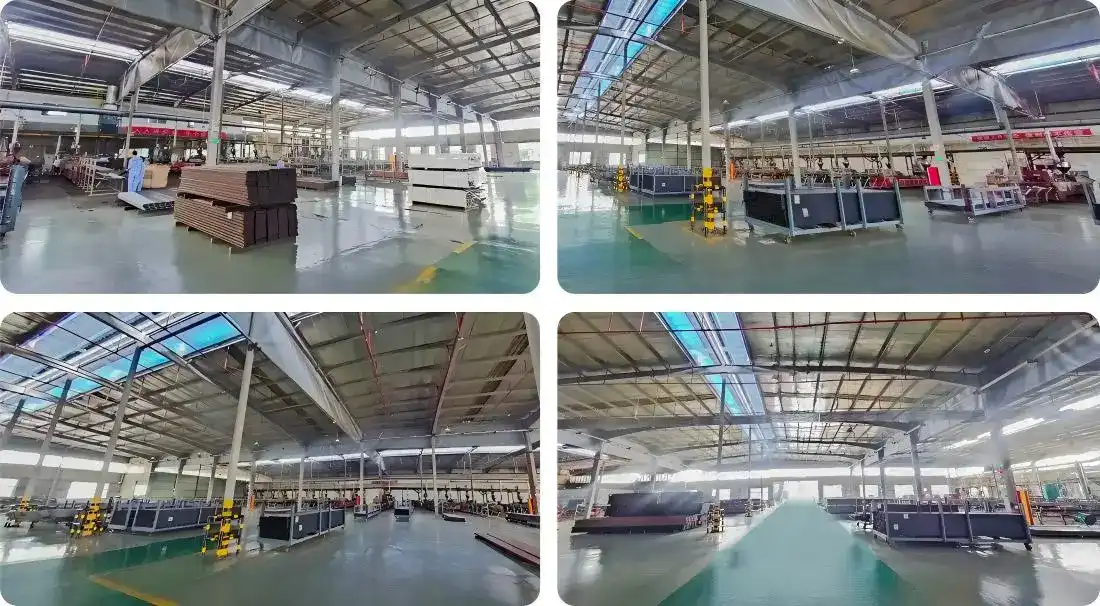
Selecting the right balcony WPC decking becomes much easier when you work with a manufacturer that understands both design and performance requirements. Everdur operates more than 50 production lines with an annual capacity exceeding 30,000 tons, supplying composite decking to over 60 countries across five continents. Our second-generation co-extrusion technology delivers a balcony wood grain WPC board that resists decay, pests, and UV fading while requiring minimal upkeep over its 10 to 25 year service life.
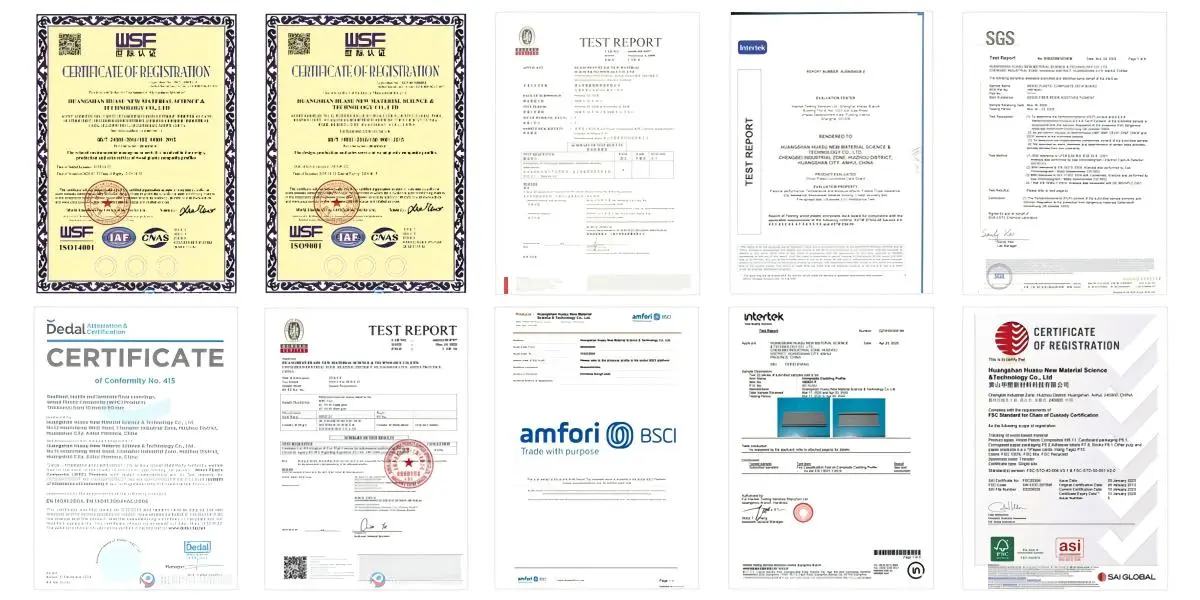
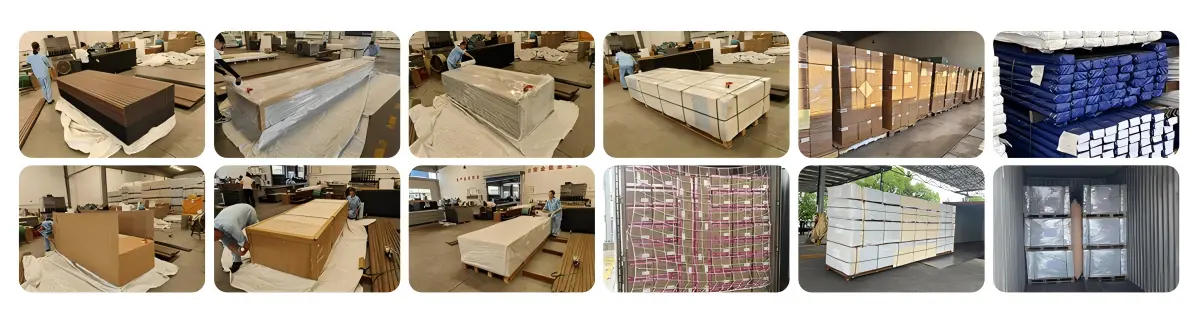
As an experienced balcony WPC decking supplier, Everdur holds certifications including EU CE, US ASTM D7039, and China GB/T 24137, alongside Recycled Content certification and E0 environmental standard compliance, giving you confidence in both product safety and environmental responsibility. We offer color, texture, and size customization to match your project needs, backed by strict 5S quality control at every production stage.
Reach out to our team at violet@wpcsupplier.com to request samples, certification documents, or a quote tailored to your balcony renovation project.SEND INQUIRY
References
1. Mohanty, A. K., Misra, M., & Drzal, L. T. (2005). Natural Fibers, Biopolymers, and Biocomposites. CRC Press.
2. ASTM International. (2021). Standard Specification for Establishing Performance Ratings for Wood Plastic Composite Deck Boards and Related Accessories. ASTM D7032.
3. European Committee for Standardization. (2013). Composites Made from Cellulose-Based Materials and Thermoplastics: Determination and Specification. EN 15534.
4. Forest Products Laboratory. (2010). Wood Handbook: Wood as an Engineering Material. United States Department of Agriculture, General Technical Report FPL-GTR-190.
5. Forest Stewardship Council. (2020). FSC Chain of Custody Certification Standard for Companies Supplying and Manufacturing FSC-Certified Products.
6. Standardization Administration of China. (2018). Wood Plastic Composite Decking Boards. GB/T 24137.
Send Inquiry
Related Industry Knowledge
- Low MOQ Hollow WPC Decking: Perfect for Small Residential Projects
- WPC Cladding: The Ultimate Solution for Durable and Stylish Building Exteriors
- Wood Grain Swimming Pool WPC Decking: Enhance Your Pool Area
- Weather Resistant Decorative Composite Fencing: Durable & Stylish
- 2026 Guide to Commercial WPC Decking: Hotels, Malls & Public Areas
- WPC Villa Fence: Luxury Fencing for Villas & High-End Properties
- Exterior WPC Cladding for Commercial Buildings: Bulk Discounts Available
- How to Choose WPC Cladding: Material, Design and Installation Tips
- Top Traditional WPC Decking Manufacturers for Quality Products
- Why Co-extruded WPC Decking Is a Must for Your Outdoor Project