
Anti-Fade Decorative Composite Fencing: Long-Lasting Beauty
2026-10-26 19:54:46
Have you ever wondered whether a gorgeous decorative composite fencing panel can stand up to years of heat, rain and searing sun? The simple answer: yes. Correctly formulated wood fibre and HDPE resin with UV-stabilising additives and a professional co-extrusion process are used in the manufacture of good fence panels. This avoids the progressive deterioration from UV exposure that causes ordinary wood or thin uncapped composite boards to fade, split or grey after one or two seasons. The outer protective layer is like a shield, keeping moisture out and the pigment in place. That means a fence that will still look great 10 years later in all kinds of weather without the need for yearly staining or resealing for homes, gardeners and construction material suppliers in North America and Europe. In this post we'll look at how UV-resistant formulations really work, what choices you have for colour and texture, why some composite fencing fades and others doesn't, and some easy maintenance tips that will keep a fence looking beautiful year after year.SEND INQUIRY
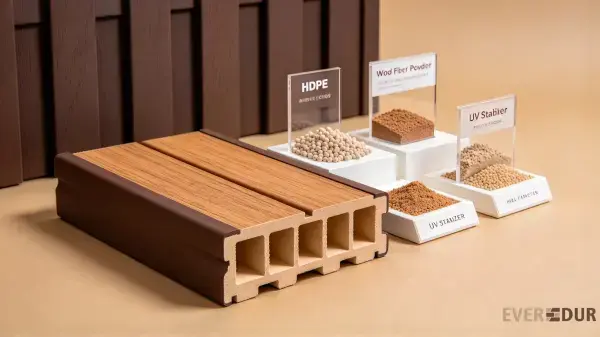

Does Decorative Composite Fencing Fade in Direct Sunlight?
Exposure to sunlight is a major concern for outdoor materials, and fence is no different. Natural wood contains an organic material called lignin that breaks down when exposed to UV rays. Within months the boards become grey or silver. Low-grade composites without enough stabilizers may meet the same end, losing colour depth and becoming chalky after prolonged sun exposure.
The amount of fading is mostly a function of the quality of the raw material and the manufacturing method. Panels made of recycled HDPE and wood powder without UV inhibitors tend to fade faster, especially under long-summer or high-altitude sun exposure. In particular, with a thin surface covering the pigments are extremely sensitive, since a scratch or weathering may expose the untreated core below.
Co-extruded panels, in contrast, fuse a protective outer layer to the structural core throughout the production process and maintain colour much longer. This layer acts as a barrier to keep most of the UV radiation from reaching the pigmented base material and retards the oxidation process leading to colour change. Climate is also a factor. Salt spray in coastal locations, extreme dry heat in desert regions, and freeze-thaw cycles in northern latitudes all provide significant challenges to fence materials. Selecting a product that has been tested for UV protection, rather than one that is just promoted on appearance, makes a quantifiable difference in how a fence appears five or 10 years down the road.

UV-Resistant Decorative Composite Fencing for Sunny Outdoor Areas
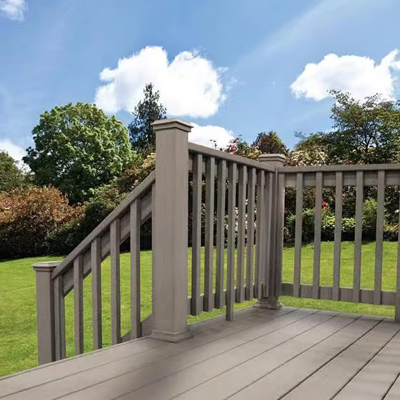
Colour stability becomes a functional issue, not a cosmetic one, for locations with lengthy periods of sunshine, such as poolside patios, open-concept backyards, or business roofs. Wpc ornamental brushed fence with sophisticated UV stabilizers solves this problem by adding light-absorbing substances into the capping layer that slows down the breakdown of the pigment at the molecular scale.
Laboratory accelerated weathering studies – where panels are exposed to 2000 or more hours of focused UV radiation – are often used to anticipate how a product will fare over years of outdoor exposure. Panels that pass these tests with little colour change tend to be dependable in such areas as Southern Europe, the Mediterranean coast and the southern United States, where summer light is powerful and long-lasting.
Brushed and sanded surface finishes also have a supporting function here. As the material ages , the fading will occur but will be less visible since a textured surface reflects light differently than a flat , shiny surface . This is part of the reason why brushed finishes have become popular for fence applications as well as decks.
But it isn't only pigment technology that makes a difference, the basic polymer makeup of decorative composite fence materials is important too. Higher density HDPE with less impurities will not absorb heat as well, helping to decrease the accumulation of surface temperatures during peak sun hours. Lower surface temperatures result in lower thermal stress on the material, which helps to provide greater long-term dimensional stability and colour retention. Homeowners in sun-heavy areas should inquire for UV test data from suppliers, rather than relying on colour samples, since the lighting in showrooms seldom replicates years of outside sun exposure.SEND INQUIRY

Wood Grain Decorative Composite Fencing in Custom Outdoor Colors
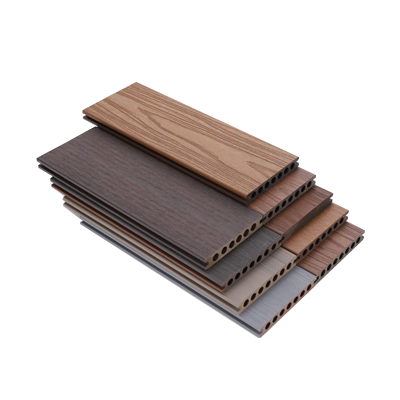
Composite fence has the benefit over genuine wood in that you may choose a tone that complements the architecture instead of being constrained to what a tree happens to produce. A well-stocked ornamental composite fence line will often include hues ranging from warm teak and cedar to colder stone grey and ash tones, each intended to compliment diverse exterior palettes.
Wood grain texture provides another level of authenticity. In manufacture, embossing technology is used to create a grain pattern on the surface, giving the illusion of sawed wood, without the care needs of actual wood. For design-oriented projects, bespoke colour matching beyond the basic card may be offered to enable architects or developers to match fence colours to brick facades, roofing materials or branding needs for commercial areas.
The shade is important, but uniformity in colour on a big order is important. The variance from batch to batch may result in a patchwork appearance when you install two panels side by side, so it's best to deal with a manufacturer that has tight control over the dosing of pigments during extrusion to prevent mismatched portions. This is especially the case for major residential complexes or hospitality projects where dozens or hundreds of panels need to appear similar from day one and stay so for years. If you're a buyer looking for a resale, it's best to ask for tangible colour samples in outside lighting conditions rather than only going by computer photographs since screen colours are almost ever true to the actual tone.

Fade-Resistant Decorative Composite Fencing for Modern Landscapes
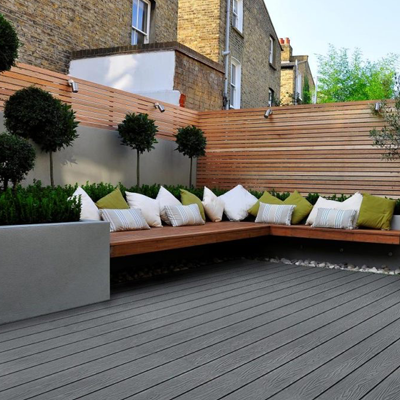
In today's landscape design, sleek lines, slatted panels and a unified colour palette are popular choices to help connect outdoor areas visually. This goal is rapidly undone by fading, transforming a sharp, consistent fence line into a spotty, uneven surface in a few sun-drenched seasons. This is particularly true if you have a simple design where the fence functions more as a visual background than as a decorative centrepiece and any deterioration is likely to be more apparent against the surrounding foliage or hardscaping.
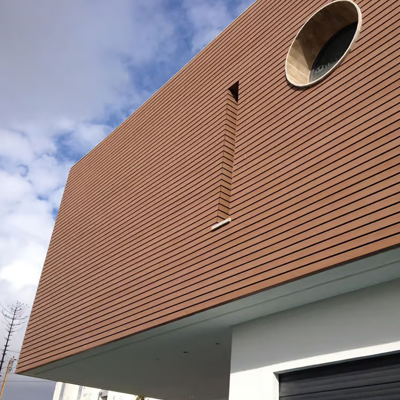
Fade resistant panels help maintain the desired look of a project much longer. This is important to landscape architects to consider cost vs long term look. For those types of layouts you're looking at a big amount of surface area exposed to direct light, thus UV stability is more of a practical necessity than a marketing bullet point. Horizontal slat patterns are common in modern residential and commercial buildings.
The spacing between slats also affects the airflow and the light filtering which might somewhat alter the heat accumulation on the surface of the panel. Composite panels with aluminium or steel frame, used on projects, are designed materials that can withstand somewhat higher surface temperatures without accelerated colour loss. For café patios, resort pathways or public park borders where fence is seen continually by pedestrians, a consistent look reinforces the entire design investment and prevents expensive early replacement. Choosing fade-resistant material from the beginning is usually more cost-effective than having to refinish or replace panels just a few years after they're installed.SEND INQUIRY

How to Maintain the Color of Decorative Composite Fencing Outdoors?
Even the best ornamental composite fence, including wpc decorative brushed fencing, requires some simple maintenance to keep it looking great over time. Cleaning routine panels is easiest; rinse them with a garden hose every couple of months to wash away dust, pollen and airborne debris before they build up and dull the surface. “Soft brush and mild soapy water often work better than pressure washing, because the high pressure of the jet can wear away the surface texture prematurely.
Equally important as rinsing regularly is the avoidance of strong chemical cleansers. Bleach-based or very acidic chemicals actually peel away surface treatments and hasten colour fading, rather than bringing back brightness. Most home and commercial fence requirements a simple diluted dish soap solution usually does the trick.
Also the positioning has a function in the long term look. If fencing is constructed near sprinkler systems, it should be frequently examined for mineral buildup from hard water which may produce a chalky coating if left untreated. Trim surrounding vegetation so it doesn't push on panels with leaves and branches, which may retain moisture and lead to uneven surface wear over time.
Seasonal checking may discover little problems, such as loose clips or modest panel movement, before they become major maintenance jobs. Composite panels, like painted wood fence, don't require restaining, but a moderate yearly rinse and visual inspection goes a long way toward keeping colour consistent and the structure sound for the entire service life of the product.

Conclusion
Fading doesn't have to be an unavoidable aspect of owning outdoor fence. With the correct mix of UV stabilized materials, co-extrusion technology and a little of regular maintenance, decorative composite fencing can hold its colour and structural integrity far longer than conventional wood ever could. Knowing how fade resistance works whether the aim is a peaceful backyard hideaway or a polished business landscape helps consumers choose materials that can stand up under actual outdoor settings instead of simply showroom illumination.SEND INQUIRY

FAQ
Q: Does decorative composite fencing need to be painted or stained over time?
A: No. Unlike real wood fence, quality composite fencing is coloured throughout the production process so there is no need for staining or repainting.
Q: Can decorative composite fencing handle coastal or high-humidity climates?
A: Yes, composite fencing will not swell, distort or develop mould like untreated wood would in humid or coastal conditions. When constructed from moisture resistant HDPE and sealed correctly at the panel edges, a composite fence will not have these issues.
Q: Is fade resistance the same across all composite fencing products?
A: No, the resistance to fading is a function of the additive package, capping method and pigment quality used in the production process. This is why it's important asking a supplier for UV test results before you buy.

Ready to Upgrade Your Outdoor Space with Anti-Fade Decorative Composite Fencing?
Whether you're managing a one-off backyard remodel or looking for materials for a full housing development, Everdur is a decorative composite fencing manufacturer ready to assist projects of any size. For construction companies: volume pricing with reliable lead times for large projects; for fence contractors: technical spec sheets and installation assistance to minimize on-site problems; for resellers and building materials wholesalers: distributor pricing plus free sample kits to present to clients; for end users: personalized colour consultation and simple installation assistance for DIY home projects.
All manufactured panels are in accordance with EU CE criteria, US ASTM D7039 standards and China GB/T 24137 specifications, with Recycled Content certification and E0 environmental rating for low formaldehyde emission. Samples, Pricing or Technical Documentation Contact our staff at violet@wpcsupplier.com.

References
1. ASTM International. ASTM D7032 – Standard Specification for Establishing Performance Ratings for Wood-Plastic Composite Deck Boards, Stair Treads, Guards, and Handrails.
2. ASTM International. ASTM D7039 – Standard Test Method for Evaluating Flexural Properties of Wood-Plastic Composite Products.
3. European Committee for Standardization. EN 15534 – Composites Made from Cellulose-Based Materials and Thermoplastics (Wood-Polymer Composites and Natural Fibre Composites).
4. Standardization Administration of China. GB/T 24137 – Wood/Bamboo-Plastic Composite Decking and Fencing Materials.
5. Forest Products Laboratory, United States Department of Agriculture. Wood Handbook: Wood as an Engineering Material, Chapter on Weathering and Surface Degradation of Wood.
6. U.S. Department of Energy, Building Technologies Office. Guide to Durable Exterior Building Materials for Residential and Commercial Applications.
Send Inquiry
Related Industry Knowledge
- Can hollow WPC decking be used for balconies?
- Wholesale Swimming Pool WPC Decking: Hotel & Resort Bulk Supply
- Wood Grain Grooved WPC Decking: Stylish & Functional Outdoor Flooring
- WPC Landscape Walls for Public Parks: Safe & Sustainable
- How to Install Solid WPC Decking for Long-Lasting Durability
- 2026 Brushed WPC Decking Trends: Stylish & Durable Options
- Low MOQ Traditional Cladding: Ideal for Small Traditional Projects
- Waterproof WPC Cladding: Perfect for Coastal and Rainy Areas
- Privacy WPC Fence: Perfect for Residential and Villa Outdoor Spaces
- High-Quality WPC Decking for Poolside: Waterproof and Anti-Slip Solutions