
Anti-Rust Wood Plastic Composite Fence Panels: Long-Lasting Fencing
2026-11-25 23:47:02
Choosing a fence that can withstand wind, rain and years of sun is harder than it seems. Metal fences corrode at the seams and bolts. Wooden fences flex and break apart. They both require constant upkeep to stay respectable. Good solutions to this age-old problems are anti-rust wood plastic composite fence panels. Made from recycled HDPE and wood fiber, these panels will not allow moisture penetration, insect activity or color fading that is typical with ordinary fence materials. This lesson explains how composite fence technology resists rust and decay, how the composite fencing lifespan compares to metal and wood, and how to pick the correct profile, thickness and post system for your project. If you're overseeing a residential installation or purchasing materials for a commercial landscape, understanding the manufacturing process of these panels will enable you to make a well-informed, confident buying decision.SEND INQUIRY
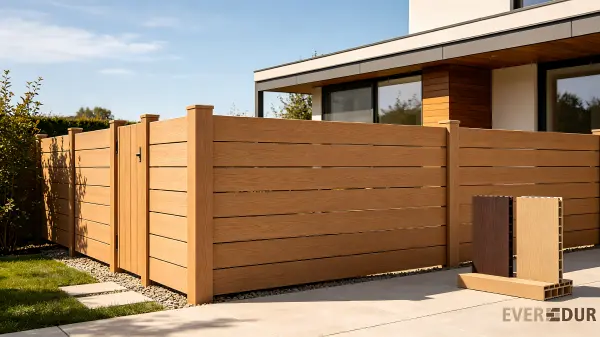
How Do Wood Plastic Composite Fence Panels Prevent Rust, Rot, and Weather-Related Damage?
Outdoor fence is under constant assault from moisture, temperature fluctuations and biology. Wood plastic composite fence panels are designed to resist these strains for more than just a few seasons.
The Role of HDPE in Moisture Resistance
High density polyethylene is the backbone of the panel structure. This plastic part does not absorb water like genuine lumber. The HDPE skin protects the wood fiber core from rain or snow that settles on a fence. The panel is unaffected by the swelling, splitting and decay that would eventually destroy hardwood planks if they are not maintained perpetually moist. It also protects any internal fasteners or clips from rusting from long term contact with wet metal.
Chemical Additives That Block Decay and Pest Activity
And if you go beyond the plastic shell, companies incorporate chemical additives into the composite mixture during extrusion. The additions are intended to prevent the growth of fungus and to slow down the assault by termites, carpenter ants and other wood boring insects which tend to target cedar, pine or treated timber fences. The wood fibers are encapsulated in the HDPE matrix and do not show on the surface. This provides pests little time to establish colonies. This protection is particularly beneficial to homeowners who live in humid or coastal areas where typical wood fencing tends to wear out more quickly.
Surface Treatments That Guard Against UV and Temperature Swings
Sunlight oxidizes many construction materials, fading tints and weakening surface fibers. In making composite fence boards, this is addressed by mixing UV stabilizing agents directly into the outer layer during the manufacturing process. The stabilizers are built into the material itself rather than being a topical covering that goes off. So the protection doesn't peel or flake away over time. Another problem is temperature changes . Materials expand and contract as the temperature goes up and down throughout the day . Today's panels are made using a co-extrusion method that reduces this movement, keeping the spacing between panels regular and lowering the tension that causes warping. It is these qualities, together with resistance to moisture and pests, which enable the composite panels to maintain their form and beauty for far longer than the materials they replace. When buyers are looking for long-lasting fence solutions, they typically find that the true benefit comes from this tiered protection system rather than any one aspect operating by itself.SEND INQUIRY

Wood Plastic Composite Fence Panels vs. Metal and Wood Fencing: Which Lasts Longer Outdoors?
The material you pick for your fence will effect the look and performance of your property for years to come, so it's more essential to compare lifespan and upkeep than simply upfront cost.
Corrosion Risks in Metal Fencing Systems
Steel and aluminum fences seem durable when constructed but exposure to rain, humidity and road salt progressively break off protective coatings. Rust starting at a scratch, weld point or fastener will creep beneath the surface finish and eat away at the structural integrity of the panel. Repainting or recoating slows down this process but seldom stops it for good. Homes closer to the shore or in places with harsh winters may corrode in a few years, and maintenance costs might be more than many buyers anticipate.
Maintenance Demands of Traditional Wood Fencing
Most homeowners underestimate the maintenance schedule that a natural wood fence requires. Responsibilities include yearly sealing and staining and occasional board replacement . Untreated wood will absorb moisture and swell. It may crack and warp in dry seasons. Termites and fungal decay are additional risks, particularly in warmer climates. Even with the best care , wood will eventually degrade . The natural fibers are chemically broken down by sunlight and moisture . From a distance the fence may seem great , but it is slowly weakening .
Lifespan Comparison Across Fencing Materials
Composite panels manufactured from recycled HDPE and wood fiber generally have a lifespan of 10 to 25 years depending on the panel density and installation circumstances. Metal fence might suffer extensive repair or replacement in 10 to 15 years when rust sets in. Wood fencing can need board replacement in 5 to 10 years in humid climates. Composite decking materials fill this gap, offering the visual warmth of wood with the structural consistency of plastic, and overcoming the flaws inherent in each conventional material. This distinction also shows up in warranty terms. Hollow composite panels are sometimes warranted for up to 15 years and solid panels up to 20 years, a level of trust that manufacturers seldom provide on painted metal or stained wood fence. Property owners, when they look at the overall cost of ownership and not just the sticker price, generally find the lower frequency of maintenance and longer replacement cycle more than make up for the little difference in the original cost of the material.SEND INQUIRY
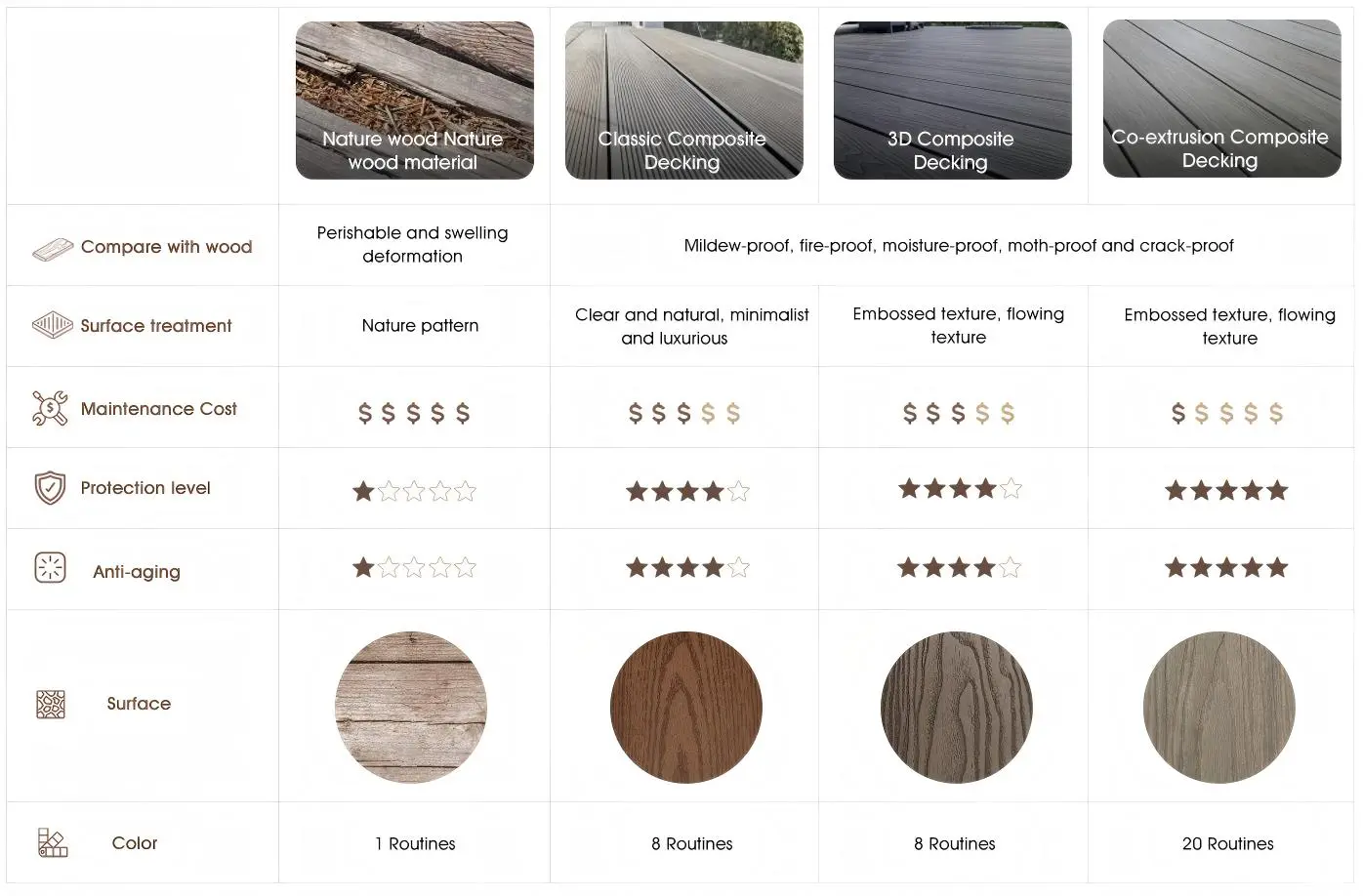
Key Material Features of Wood Plastic Composite Fence Panels: Recycled HDPE and Wood Fiber
Knowing what's in a composite panel helps to understand why it does not function the same as typical plastic lumber or painted wood boards.
What Grade A Recycled HDPE Brings to Panel Strength
Recycled HDPE combines the structural flexibility and moisture resistance to create the modern composite fence. The panel is made using Grade A recycled material, which is processed to remove impurities, giving a more uniform density throughout the panel than is possible with lower-grade recycled plastics. This is critical in extrusion , since uneven material could create weak spots that might splinter under wind load or impact . It also implies that there is less virgin plastic being created, helping the production process to be more in line with bigger environmental goals, without hurting mechanical performance.
Wood Fiber Content and Natural Texture
The composite panels are given a characteristic grain look using wood fiber while also adding to the overall stiffness of the board. The fiber content is mixed with HDPE and additives in regulated ratios and then molded under heat and pressure. This gives producers the ability to reproduce embossed wood grain, brushed or sanded textures as desired by the design. The fibers are completely enveloped by the plastic matrix, so they won't splinter or tear as exposed wood surfaces do, even after years of foot activity or handling at the fence line.
Co-Extrusion Technology and Structural Stability
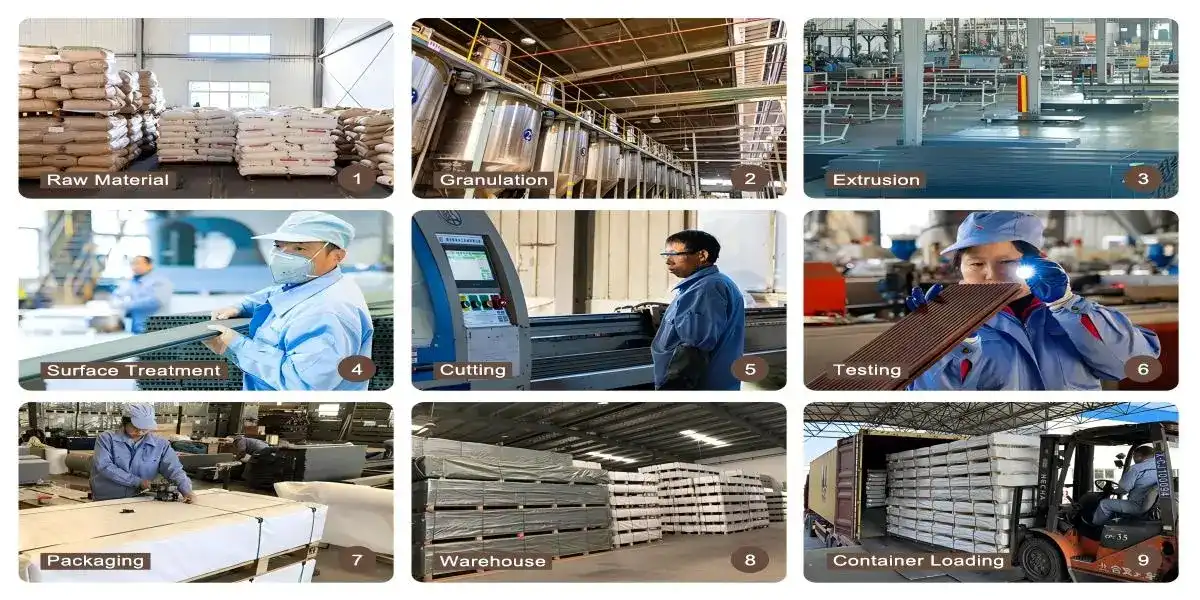
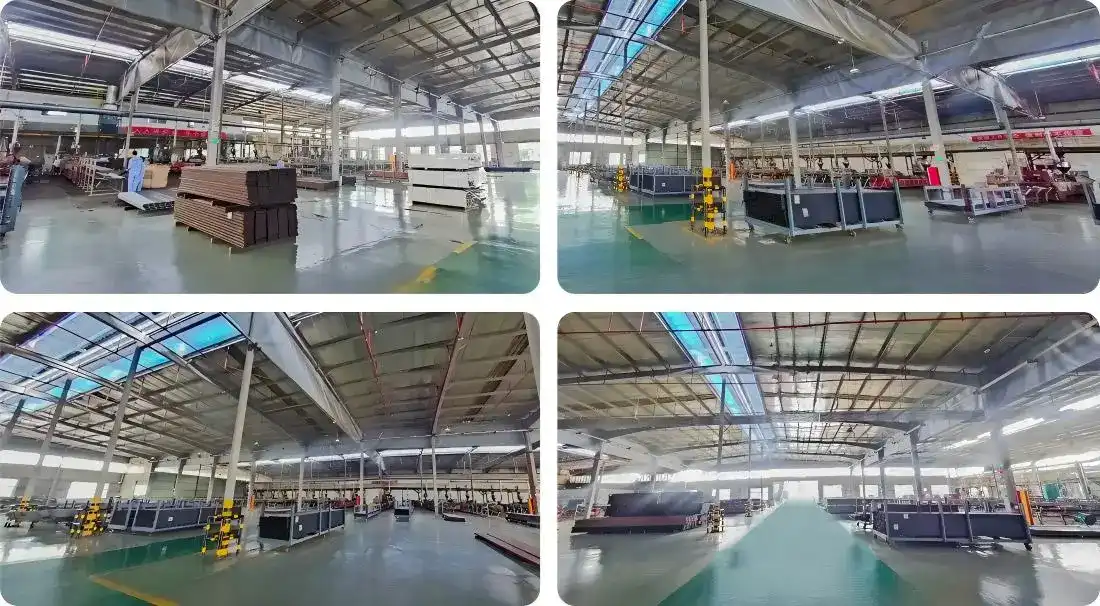
The second generation of co-extrusion technology creates a protective outer layer over the wood-plastic core throughout the whole production process. The outer shell offers superior waterproofing and resistance to scratches and stains as the surface layer has a higher concentration of protective polymer than the core. Wpc fence panels built this way have lower thermal expansion than single-layer composites, thus panels have smaller, more consistent spacing even with seasonal temperature changes. The manufacturing facilities are equipped with multiple production lines that adhere to strict quality control requirements, including on-site 5S management, to guaranty that every batch of panels meets uniform dimensional criteria before shipment. This level of process control is critical for contractors who build fence over several properties since panel-to-panel consistency affects both appearance and installation time.SEND INQUIRY
How to Select Wood Plastic Composite Fence Panel Thickness, Profiles, and Post Systems?
Specifying the proper panel size and support system will save costly field changes.
Matching Thickness to Privacy and Wind Load Needs
The panels are commonly 20mm to 40mm thick, which has a direct bearing on both privacy protection and wind-resistance. Thicker panels resist bending in wind better and provide a more solid barrier for households who want complete visual solitude. Thin panels are ideal for decorative screening or garden borders where you want air circulation and light penetration. Width adjustments from 140mm to 220mm allow the designer to change the visual proportions of the fence line. A wider board is often used to give a more solid, modern appearance, whilst a narrower board is preferable for traditional picket-style structures.
Choosing Between Hollow and Solid Panel Profiles
Hollow panels usually have a 15 year guarantee and save on material weight and expense while still offering sufficient strength for most residential boundary applications. Solid panels weigh more, but are of higher impact resistance and have a guarantee of up to 20 years, which makes them the better option for commercial properties, public parks, or more foot traffic along the fence line. Custom lengths are available for projects with variable boundary measurements, although standard panel lengths of 1.8m, 2.2m and 2.9m will satisfy most post spacing needs.
Pairing Panels with Aluminum or Steel Posts
You have the option of buying wood plastic composite fence panels with either an aluminum or a steel post system. The two solutions are selected according to the esthetic and structural needs. Aluminum posts are a great alternative for modern design themes. They are also particularly resistant to corrosion, making them a smart choice for coastal or high-humidity installations. Where a fence line has to be taller or commercial borders are exposed to greater winds, steel posts are employed since they can carry more strain. Choosing a post system to match the profile of the panel, slatted for a contemporary appearance or solid for maximum privacy, will ensure that the finished fence will perform to expectation during its projected service life. We get many requests for unique materials from people building in various countries. Local variables, such as extreme heat or severe rain, might influence the optimal formulation for a certain post and panel combination.SEND INQUIRY
Long-Term Outdoor Performance of Wood Plastic Composite Fence Panels: UV Stability, Maintenance, and Service Life
A fence is only as good as how it looks and performs years after it is installed, therefore it pays to check out the long-term durability statistics.
UV Resistance and Color Retention Over Time
Sunlight exposure testing demonstrates no fading despite more than 2000 hours of UV exposure, a standard equivalent to years of outdoor sun in an expedited lab test. This durability is achieved by the use of UV stabilizers mixed throughout the material and not just a surface coating, so it won't wear off with washing or weathering. This constancy is a godsend to property owners in sun-intensive areas, such as a good portion of the southern United States and southern Europe, since the fence remains its intended color for years, not just one or two years until it bleaches out.
Low Maintenance Routines Compared to Painting and Sealing
Maintenance for composite fence is usually as simple as washing the panels with water when dirt or debris collect, a far cry from the sanding, staining and sealing cycle necessary for wood fencing. No painting schedule required and no chance of peeling topcoats as metal fence does when a coating starts to degrade. This lower maintenance load is especially important for commercial property managers maintaining several fence lines since personnel expenses for ongoing maintenance may build up fast over a broad portfolio of installations.
Warranty Coverage and Expected Service Life
Manufacturers provide warranties of up to 15 years for hollow panels on composite fence boards and up to 20 years for solid panels. The projected lifespan of the fence boards is between 10 and 25 years depending on the climatic conditions and the quality of the installation. These numbers are a result of material composition, UV stabilization and structural uniformity via co-extrusion production. Dimensional stability with variations in temperature is also part of this lifetime, since panels that resist warping and expansion do not suffer the progressive structural fatigue that may limit the useable life of less stable fence materials. Buyers that include in the overall lifespan cost typically feel that this combination of warranty coverage and recorded performance data gives a better sense of long-term value than just looking at looks.SEND INQUIRY
Conclusion
Fencing options have implications that go well beyond the period of installation. The material selected will impact how much time and money a property owner will spend on repairs further down the road. Anti-rust wood plastic composite fence panels combine recycled HDPE, wood fiber and UV-stabilizing additives into a single weather-resistant framework, addressing the key shortcomings of metal and wood fences. Every specification option from selecting panel thickness to making sure the panel will fit with your post system affects how the completed fence will operate over years of sun, rain and temperature changes. Understanding these material properties will help contractors, distributors and property owners choose fencing that will hold its appearance and structural integrity far longer than traditional choices, and reduce the ongoing maintenance burden that typically accompanies outdoor fencing projects.SEND INQUIRY
FAQ
Q: Do wood plastic composite fence panels really resist rust completely?
A: The panels themselves have no metal components in the primary construction, therefore the board material will not corrode. Aluminum posts withstand corrosion well, whereas steel posts can need basic corrosion treatment depending on climatic exposure.
Q: How long do composite fence panels typically last outdoors?
A: Service life is normally between 10 and 25 years depending on the density of the panel, climatic conditions and quality of the installation. Warranty periods are up to 15 years for hollow panels and up to 20 years for solid panels.
Q: Can these panels be customized for different climates or design styles?
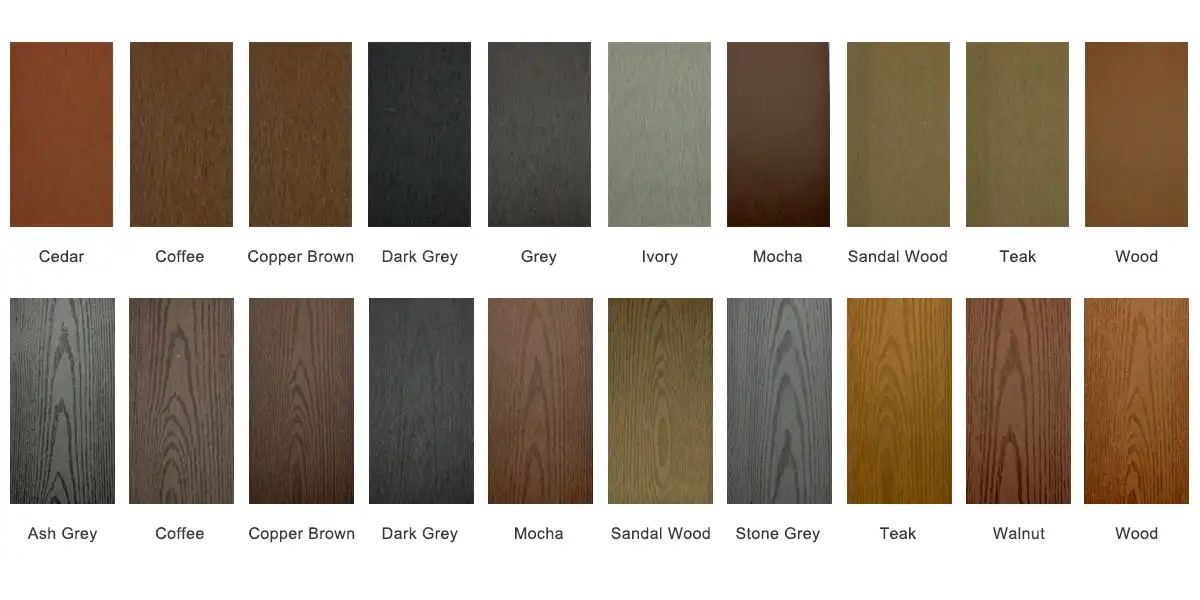
A: Yes, manufacturers have particular formulas of materials for regional climatic conditions and bespoke colors, surface textures and panel size to accommodate individual project needs and building esthetics.

Choose Everdur Anti-Rust Wood Plastic Composite Fence Panels for Your Next Project
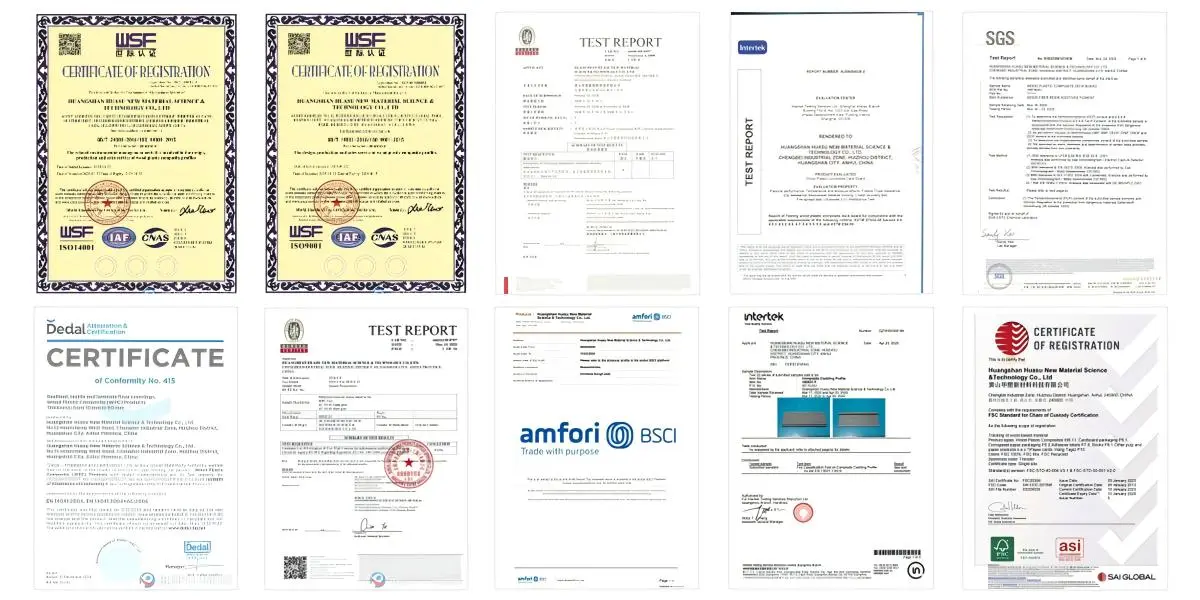
Everdur has 16 years of manufacturing expertise and over 50 production lines for each order, supported by first-class 5S on-site management and tight quality control throughout the process. Our panels are made from Grade A recycled HDPE and wood fiber fused together by second-generation co-extrusion technology that gives superior waterproofing, less thermal expansion and guaranteed structural integrity for residential, commercial and public fence projects. Everdur is a reliable wood plastic composite fence panels supplier, serving more than 225 clients in 60 countries. We meet EU CE requirements, US ASTM D7039 standards, China GB/T 24137 standards, Recycled Content certification and E0 environmental standard for low emissions. Contact our staff now at violet@wpcsupplier.com for samples, special requirements or to place your next fence order.SEND INQUIRY
References
1. American Society for Testing and Materials. Standard Specification for Evaluating Design Capacities of Wood-Plastic Composite Fence and Guardrail Systems, ASTM D7039.
2. American Society for Testing and Materials. Standard Guide for Evaluating Mechanical and Physical Properties of Wood-Plastic Composite Products, ASTM D7032.
3. International Organization for Standardization. ISO 9001 Quality Management Systems Requirements.
4. Forest Stewardship Council. FSC Chain of Custody Certification Standard for Responsible Material Sourcing.
5. European Committee for Standardization. CEN Guidelines on CE Marking Requirements for Construction Products.
6. United States Environmental Protection Agency. Advancing Sustainable Materials Management: Facts and Figures Report on Recycled Plastics.
Send Inquiry
Related Industry Knowledge
- WPC Cladding: The Ultimate Solution for Durable and Stylish Building Exteriors
- Wholesale Balcony WPC Decking: Low MOQ for Home Balcony Projects
- Eco-Friendly WPC Decking vs Recycled Wood: Which Is More Sustainable?
- Anti-Fade WPC Commercial Building Facades: Long-Lasting Aesthetics
- Why Co-Extruded Composite Decking is a Homeowner's Dream
- Is WPC composite fencing stronger than wood?
- 2026 Guide to Commercial WPC Decking: Hotels, Malls & Public Areas
- Composite Screen Fencing Installation: Create Privacy & Style
- WPC Composite Fencing for Residential Properties: Stylish & Secure
- Top Benefits of WPC Decking for Residential and Commercial Use in 2026