
Eco-Friendly Residential WPC Decking: Sustainable Home Flooring
2026-11-18 19:25:42
Across Europe and America, homeowners are re-evaluating how outdoor flooring should look, feel and cost over time. Traditional wood decks need ongoing maintenance, and many of the composite alternatives on the market still depend primarily on virgin polymers. Residential WPC decking provides an alternative way ahead, mixing recyclable materials with engineering that can tolerate rain, sun and regular foot activity. This article takes a look at the materials underlying this flooring choice, compares it honestly with genuine wood, and demonstrates how color and texture choices assist it to integrate into villa gardens, terraces, and private yards. By the time you finish reading you'll understand why homeowners are increasingly swapping wood planks for a more durable, low-maintenance alternative that nevertheless offers authentic outdoor beauty.SEND INQUIRY
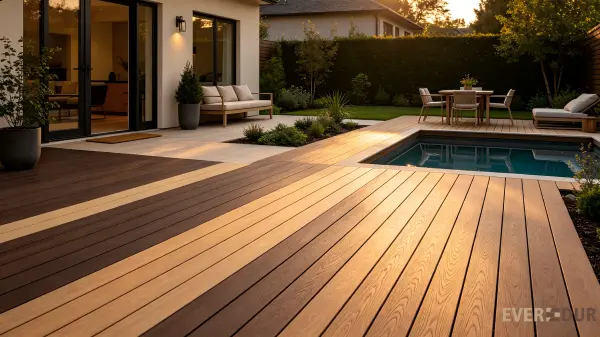
What Materials Make Residential WPC Decking an Eco-Friendly Choice for Homes?
Wood-plastic composite decking's environmental credentials come from what's really in the board. This flooring is a combination of recycled plastic and natural wood fibers to create a product that decreases landfill trash while yet providing the warmth of a wood-like surface, unlike plain plastic lumber or chemically treated wood.
Recycled HDPE and Wood Fiber Composition
Most composite deck boards in residential applications include a core of wood powder and high density polyethylene, usually from post-industrial or post-consumer recycled plastic. This HDPE would often go to waste systems thus using it to produce decking helps reduce plastic in landfills and seas. Wood fibers are a by-product, usually from sawmills or forestry activities. They give structural solidity and a natural appearance without chopping new trees only to construct decking. The ratio of these two things determines how the finished board looks and how strong it is . So experimenters try out different blends for varied climates and load requirements .
Chemical Additives and Environmental Safety
A tiny number of chemical additions complete the composition, binding the wood and plastic components and increasing resistance against UV radiation and moisture. Good producers guaranty that these additions are free from heavy metals and toxic compounds . They follow REACH and RoHS recommendations which limit the amount of risky chemical elements . This is important for households with children playing barefoot on the terrace or dogs lounging outside for hours. The smooth, splinter-free surface as well as chemically safe additives means homeowners don't have to worry about harmful exposure as they may with certain pressure-treated timber goods.
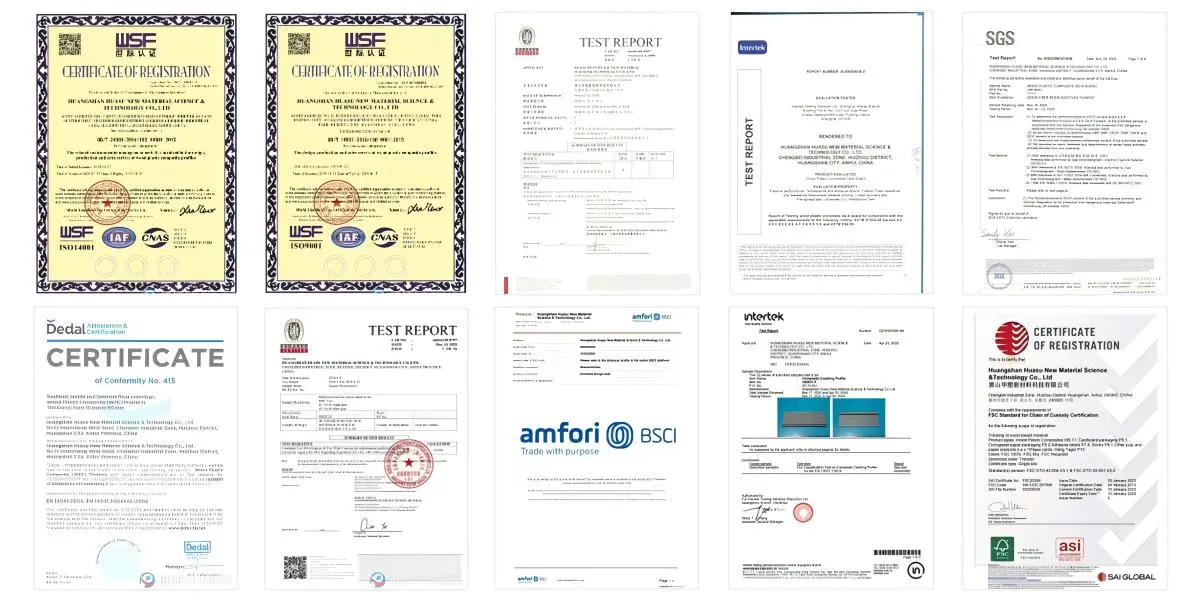
ISO 14001 Manufacturing Standards
But the choice of material is just half the story. The manner a company creates decking is also influenced by environmental impact. Manufacturers that are ISO 14001 certified have processes to manage pollutants, reduce waste and lower energy use throughout the manufacturing process. The certification does not mean that everything is flawless, but it does mean that an independent group has looked at the way the product was made and confirmed it meets approved environmental management standards. This manufacturing oversight, along with recycled HDPE material and wood fiber from sustainable sources, provides customers with more insight into the whole lifetime impact behind their decking purchase – not just the finished product sitting in their backyard.
Choosing decking constructed from these materials means you're choosing a circular economy where plastic waste gets a valuable second life instead of sitting in a landfill for millennia. It also means that fewer trees are cut specifically for outdoor flooring since the wood fiber content is often from existing byproduct streams rather than virgin timber. This information may help homeowners concerned about where their building materials come from make an informed decision, rather than relying on vague marketing claims about sustainability.SEND INQUIRY

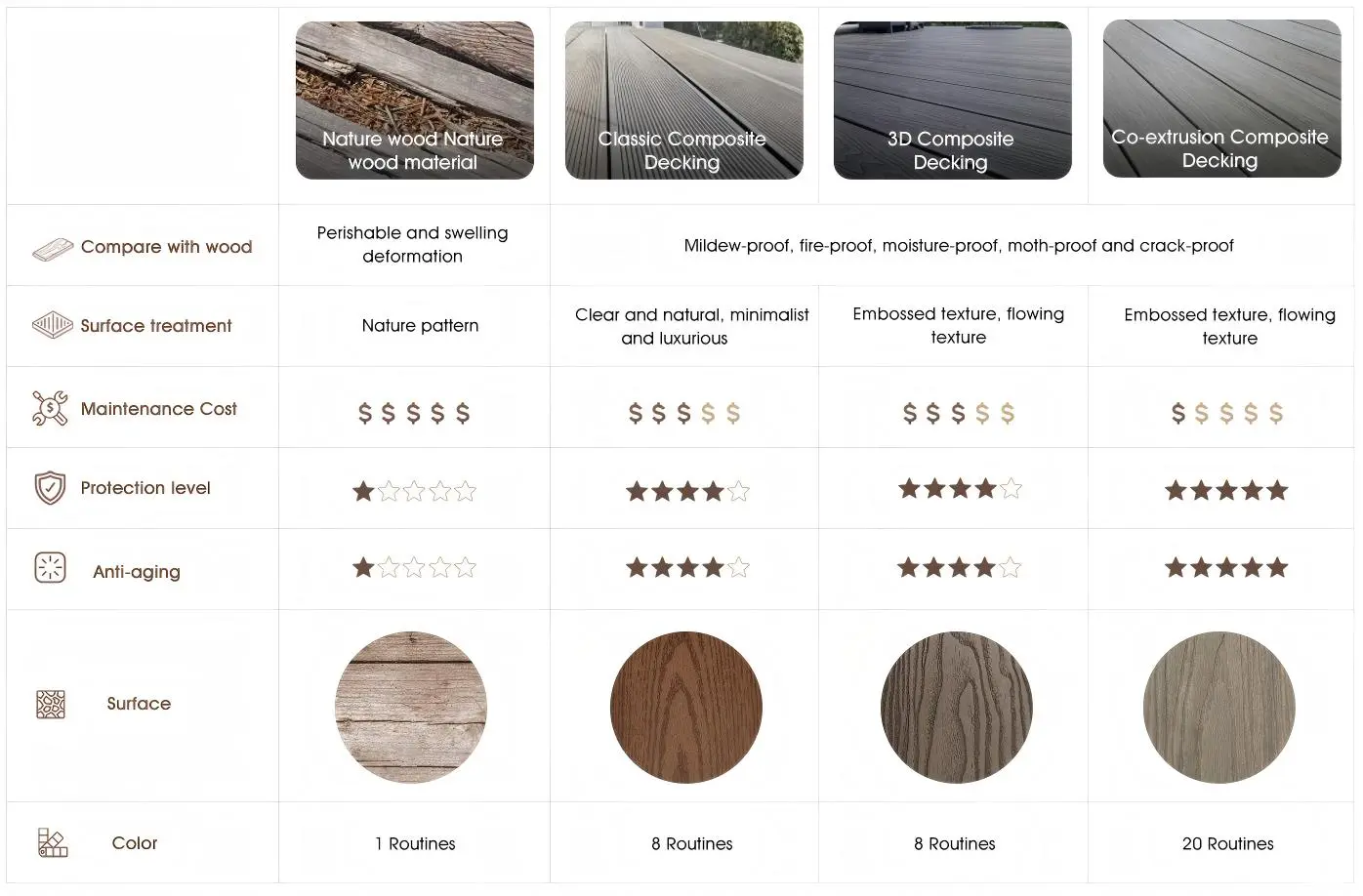
Residential WPC Decking vs. Natural Wood: Which Offers Better Environmental Value?
When you're weighing composite decking vs real wood, don't just look at the price tag up front, look at the complete story: resource consumption, lifespan and ongoing maintenance needs. There's tradeoffs with materials but the figures tell a pretty clear story when you include up all the factors that go into keeping a deck operating for decades.
Resource Consumption Comparison
Natural wood decking involves the cutting down of trees, which takes years or decades to grow depending on the species. Even under prudent forestry, it still wastes land, water and time that can't be recouped soon. Composite decking with recycled plastic content decreases reliance on new raw materials because most of its volume originates from HDPE that was previously in the garbage stream. Composite boards are usually made from wood fiber from sawdust or offcuts from the manufacturing of other timber, and hence does not need to harvest any extra trees itself. That doesn't mean composite decking is impact-free, since it still requires energy to manufacture, but it does transfer the resource strain away from fresh wood harvest.
Lifespan and Replacement Cycles
A natural wood deck that is properly maintained should last 10 to 15 years before boards begin to warp, shatter or rot beyond repair. The lifespan for residential grade composite decking is approximately 10 to 25 years. Some co-extrusion materials have warranties of up to 20 years. The longer the life, the fewer the replacement cycles, and hence less material waste and demand for manufacturing over time. If the deck has to be rebuilt every 10 years instead of every 25 years, the environmental effect of lumber harvested and disposed of regularly is doubled, and multiplied millions of times, across millions of residences.
Maintenance Chemical Impact
Wood decking requires frequent staining and sealing, and occasionally pressure-treating to guard against decay, insects, and weather damage. Most of these treatments include chemical preservatives and solvents that may eventually seep into soil and groundwater, especially when rain washes residue off the surface. Home weatherproof WPC decking avoids most of this upkeep chemistry. Boards are sometimes cleaned with soap and water and no staining or sealing materials enter into the soil or runoff around the boards. For those who live near gardens, ponds, or have children and pets, the reduction of chemical runoff is a substantial environmental and safety advantage that's easy to ignore when comparing decking materials merely on beauty.
There's no denying that natural wood has its attraction, and sustainably sourced timber with the appropriate certification might be a sensible option for certain projects. But when you consider the sourcing of raw materials, replacement frequency, and chemicals needed to keep the deck functional, composite decking wins in terms of overall environmental value, especially for the homeowner looking for a long-term outdoor flooring solution that doesn't require constant upkeep.SEND INQUIRY
Residential WPC Decking Colors and Textures: Creating a Natural Look for Outdoor Living Spaces
One concern many homeowners have with composite decking is if it can genuinely look like the real wood. With modern manufacturing processes that gap has been considerably narrowed, yielding color depth and surface texture that convincingly imitate hardwood species while still providing the practical benefits of composite construction.
Wood Grain and Embossed Finishes
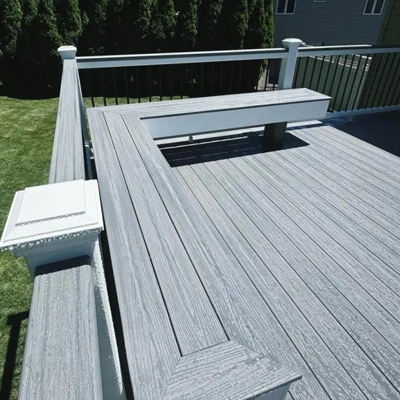
One of the largest elements in how a deck looks and feels underfoot is the surface treatment. During manufacture, the board is pressed on the surface using a patterned press that imitates the grain lines and minor defects of natural wood. Brushed and sanded finishes provide a little smoother, more subtle texture and may be selected by homeowners who choose a cleaner, more modern appearance than a heavily grained design. Wood grain treatments take it a step further, with deeper texture to mimic species like teak or walnut. They provide a visual warmth to the deck that won't fade unevenly with time, way painted or stained wood would, even after years in the sun.
Color Palette Options
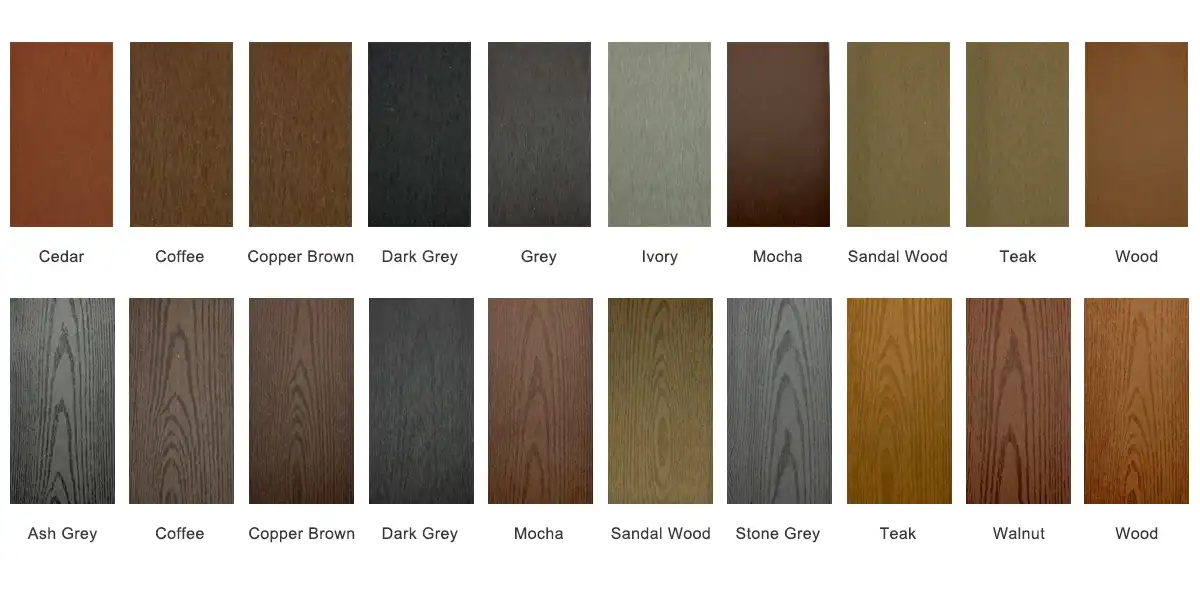
The color of a deck is just as significant as the texture in terms of fitting into a house's design. Typical color ranges include different hues of ash gray, coffee, cedar, copper brown, dark gray, ivory, mocha, sandal wood, stone gray, teak and walnut, giving homeowners plenty of choice to harmonize with existing exterior siding, fence or landscape features. Cooler grays often work well with contemporary architecture, while warmer browns and teaks compliment traditional or rustic building designs. The color is part of the board material itself, not a surface coating, thus fading is steady and consistent, not flaking or chipping as painted wood surfaces sometimes do after a few seasons outside.
Custom Surface Textures
Homeowners or designers with a particular idea in mind may choose from unique textures and colors not usually seen in a catalog. This may include matching a specific architectural motif, fitting a local climatic preference, or developing a distinctive surface pattern that distinguishes a project different from standard decking constructions. Surface grip levels are also adjustable via custom choices, which is important for pool decks, terraces, or wherever damp conditions are typical. The beauty of working with a manufacturer that provides this flexibility is that the final deck doesn't have to look like every other composite installation in the neighborhood, he says. Homeowners have room to express personal style, while still getting the practical durability of residential WPC decking.
Choosing the appropriate blend of color and texture is not only a matter of looks. Dark hues often absorb more heat in direct sunshine, which might impact comfort for bare feet during warmer months, while lighter colors remain cooler, but may reveal dirt more readily between cleanings. The kind of place being utilized, whether it's a shady garden walk or a pool terrace in full sun, may help narrow down which finish will function best in the long run, not simply look beautiful on day one.SEND INQUIRY
How to Install Residential WPC Decking in Villa Gardens, Private Yards and Terraces
Quality of installation, not quality of material, determines deck life. Familiar carpentry equipment and procedures will suffice for installing composite decking, but a few nuances unique to wood-plastic composite boards make a significant difference in long-term performance.
Joist and Clip Installation System
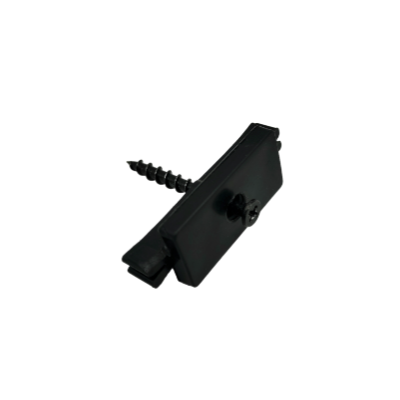
Most home composite decking systems employ a joist and concealed clip combination instead of visible face screws. Joists are often placed 300 to 400 millimeters apart depending on board thickness and estimated load as per manufacturer standards. Clips hold each board in place from the side, maintaining uniform plank spacing and concealing fasteners for a neater completed appearance. The technique also allows for easy repair of the boards should one plank ever get damaged since the clips can be removed without harming the surrounding boards. This is usually an option for villa gardens and private yards, and it will produce a continuous walking surface with no visible screw heads to trap dirt or deteriorate with time.
Ground Preparation Tips
Good preparation of the ground underneath the joist structure will minimize moisture accumulation and uneven settlement that may adversely damage the decking above. You usually want to have a little slope away from the home, around 1 to 2 percent grade, so rainfall will drain, rather than pool under the building. This is better for drainage . Gravel or a permeable foundation layer is even better , especially in areas with considerable seasonal rainfall . Home connected terraces need to have the ledger board connection correctly flashed and sealed in an effort to avoid water penetration at the point where the deck joins the house structure, regardless of how moisture resistant your decking material may be.
Spacing for Thermal Movement
Composite materials expand and contract with temperature changes more than some homeowners imagine. So it's crucial to provide proper spaces between boards, particularly at the perimeter where decking meets walls or immovable structures. Manufacturer specifications generally include end gaps and side gaps depending on board length and predicted temperature range for the installation location. The material itself resists decay and insect damage but skip this step and it may buckle or deform in high heat or cold. One of the more typical installation faults that leads to returns and homeowner aggravation is disregarding them. These spacing standards should be followed particularly rigorously for private yard installations in places with considerable seasonal temperature variations.
Most installations may be performed using standard deck equipment like a circular saw, drill and simple clip-fastening systems. That means that homeowners acquainted with DIY projects can easily do smaller terrace or pathway installs themselves. If you have a larger villa garden project or a complicated terrace plan with steps, railings or curved sections then a professional installer, who understands the composite board requirements, is usually the best option. Getting the joist spacing and thermal gaps correct first time can save a lot of reworking later on.SEND INQUIRY

Residential WPC Decking Durability: How Long Can It Last with Minimal Maintenance?
Durability promises are meaningless if you don't know what truly causes decking to degrade over time. Composite decking combats the three primary reasons for deck rot: sun damage, water damage, and insect infestation, with each of these issues addressed by certain traits embedded into the board itself.
UV Resistance and Color Stability
Sunlight degrades most outdoor materials over time, leading to wood gray and plastic brittleness. Residential composite decking also has UV stabilizers in the material composition to delay this breakdown process down significantly. Test standards often measure color stability after 2,000 or more hours of accelerated UV exposure, which simulates years of real-world solar exposure in a controlled environment. You'll get some slow fading with any outdoor material exposed to steady sunshine but composite boards tend to have an even fading across the board rather than the blotchy, uneven browning that happens with painted or stained wood after a few seasons.
Weather and Pest Resistance
Moisture is the number one reason for wood deck failure. Moisture causes rot, warping and mold development, particularly in humid climates or areas with high rainfall. On its own, wood can not form the water resistant barrier of the plastic portion of composite decking. The board does not absorb moisture like the fibers of genuine timber. The same feature also makes the material unattractive to termites and other wood-boring insects, since there is no readily accessible organic food supply as there would be in untreated timber. Many of today's composite decking lines employ co-extrusion technology, which surrounds the board core with a protective outer shell that further increases resistance to moisture penetration and surface wear compared to early single-layer composite products.
Simple Cleaning Routine
Composite decking maintenance is easier than the yearly staining and sealing that wood decks need; it's just a matter of frequent cleaning. A simple routine of soap, water and gentle brush can clear away dirt, pollen and light grime accumulation without harming the surface of the board or without specialist cleaning chemicals. Cleaning equipment that are non-abrasive or high-pressure washing from a distance will help retain the texture of the surface over time. Homeowners save both the time and price involved in wood deck maintenance since the material requires no refinishing to preserve its beauty or structural integrity, while also eliminating the chemical discharge from yearly staining treatments previously discussed.
Residential composite decking normally will last 10 to 25 years depending on the product line, the quality of the installation and the environment it is exposed to. Manufacturers of high-end co-extrusion goods sometimes provide guarantees of 15 to 20 years, since they are certain their materials will work well after years of exposure to the outdoors. This combination of longevity and low maintenance is frequently the determining factor for homeowners evaluating the total cost of ownership between composite and conventional wood decking over a 20-year timeframe.SEND INQUIRY
Conclusion
Choosing decking material affects your backyard for decades, not just the first season after installation. Residential WPC decking brings together recycled HDPE, responsibly sourced wood fiber, and manufacturing practices that reduce environmental impact without sacrificing the natural appearance homeowners want from outdoor flooring. Compared against natural wood, it generally offers a longer service life, fewer chemical treatments, and reduced demand on fresh timber resources. Color and texture customization means it fits a wide range of home styles, from traditional villa gardens to contemporary terraces. Installation follows familiar carpentry methods, and ongoing maintenance stays limited to occasional cleaning rather than yearly refinishing. For homeowners weighing durability, environmental responsibility, and long-term cost against upfront price, composite decking presents a compelling option worth serious consideration for any upcoming outdoor flooring project.SEND INQUIRY
FAQ
Q: Is residential WPC decking actually recyclable at the end of its life?
A: Many composite decking products can be reprocessed since they contain thermoplastic material, though recycling availability depends on local facilities and collection programs in your region.
Q: Does residential WPC decking get hot in direct summer sun?
A: Darker colored boards do absorb more heat than lighter shades, similar to any outdoor surface material, so choosing lighter tones can help keep surface temperatures more comfortable in sunny climates.
Q: Can residential WPC decking be installed over an existing concrete patio?
Yes, with proper joist or sleeper systems installed first to create adequate airflow and drainage underneath the decking boards, this installation approach works well for many terrace and patio renovation projects.

Work With Everdur: Your Trusted Residential WPC Decking Supplier
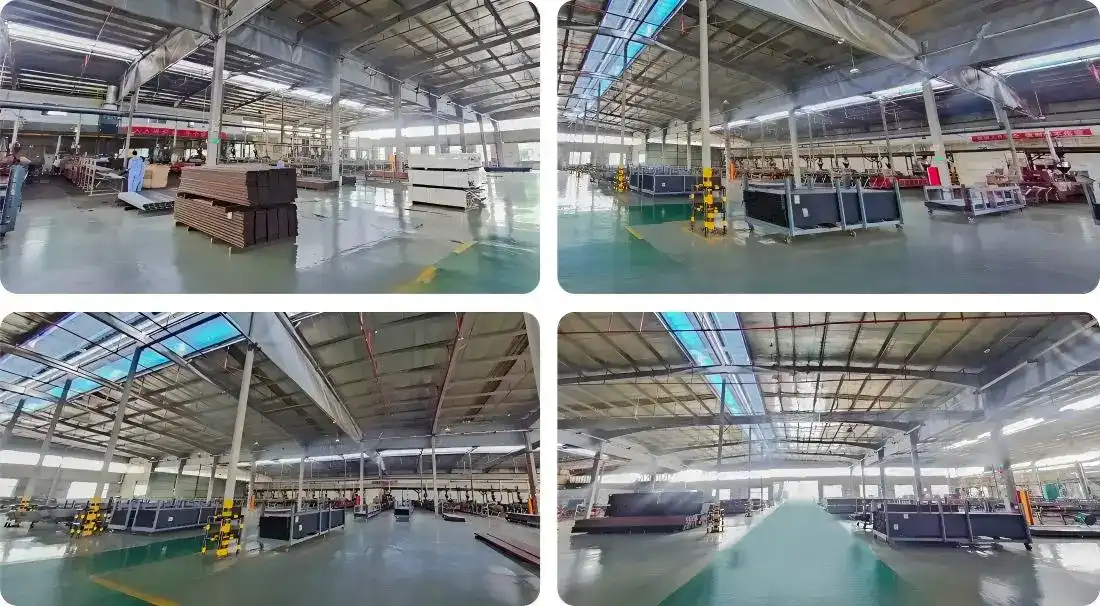
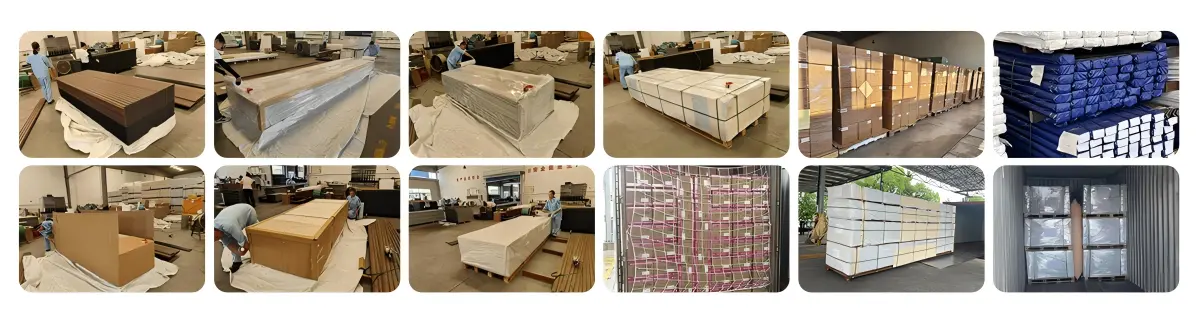
Everdur has spent 16 years refining composite decking technology, supported by more than 50 production lines and a manufacturing capacity exceeding 30,000 tons annually. Our boards meet recognized international standards including EU CE, US ASTM D7039, and China GB/T 24137, alongside Recycled Content certification and E0 environmental standards for low chemical emission. With more than 225 clients across 60 countries and established partnerships with major European retail chains, we understand what homeowners and distributors need from a dependable residential WPC decking supplier. Whether you need standard product lines or custom color, texture, and profile development, our team is ready to discuss your project requirements. Reach out to us directly at violet@wpcsupplier.com to request samples, pricing, or technical documentation for your next decking project.
References
1. American Society for Testing and Materials. Standard Specification for Evaluation of Fire Properties and Structural Performance of Deck Boards, ASTM D7032.
2. American Society for Testing and Materials. Standard Specification for Classification of Recycled Content in Wood-Plastic Composite Products, ASTM D7039.
3. International Organization for Standardization. Environmental Management Systems Requirements, ISO 14001:2015.
4. European Chemicals Agency. Registration, Evaluation, Authorisation and Restriction of Chemicals Regulation, REACH.
5. Forest Stewardship Council. Principles and Criteria for Forest Stewardship, FSC-STD-01-001.
6. Standardization Administration of China. Wood Plastic Composite Decking Boards, GB/T 24137.
Send Inquiry
Related Industry Knowledge
- Is hollow composite decking waterproof?
- Decorative Composite Fencing Installation: Enhance Your Property’s Aesthetics
- Wholesale Wood Plastic Composite Fence Panels: Bulk Supply & Factory Prices
- Wood Grain Balcony WPC Decking: Elevate Your Balcony’s Aesthetics
- Anti-Slip Commercial WPC Decking: Safe for Public Commercial Spaces
- Wholesale Co-Extrusion WPC Cladding: Factory Price & Bulk Supply
- Weather Resistant Brushed WPC Decking: Perfect for All Climates
- How to Choose Exterior WPC Cladding for Your Building
- 2026 Guide to Grooved WPC Decking: Sizes, Styles & Prices
- Low MOQ Traditional Cladding: Ideal for Small Traditional Projects