
Decorative Composite Fencing Installation: Enhance Your Property’s Aesthetics
2026-11-01 12:04:14
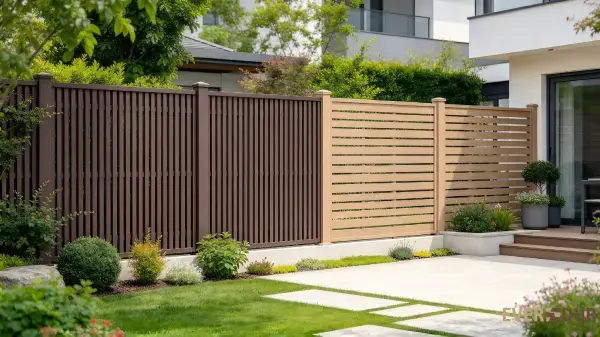
A good fence is more than a marker of a property's bounds. It provides the mood of a patio, garden or corporate courtyard the minute someone walks through it. The attractive decorative composite fencing is created from wood fibre and recycled HDPE panels that are resistant to moisture, pests and sun fading, but yet retains the pleasant feel that consumers associate with genuine wood. The rails have to be secured, the posts have to be set at equal distances, and the slats have to be fixed with screws or clips according to the profile needed for this kind of fence. Larger upgrades prefer uniform sizing for easy pricing and scheduling by contractors, while homeowners seek less maintenance. Those living in areas with harsh weather or high UV radiation should get composite panels for their homes since they will not warp or fade with the seasons like painted wood would. This manual will assist property owners and industry professionals correctly design a fence project, covering installation procedures, layout alternatives, slat spacing, orientation choices, and dimension considerations. Composite fencing is a great combination of looks and inexpensive long-term maintenance whether you desire a private garden retreat or a corporation boundary that has to look excellent for decades without repainting.SEND INQUIRY
How to Install Decorative Composite Fencing in Outdoor Spaces
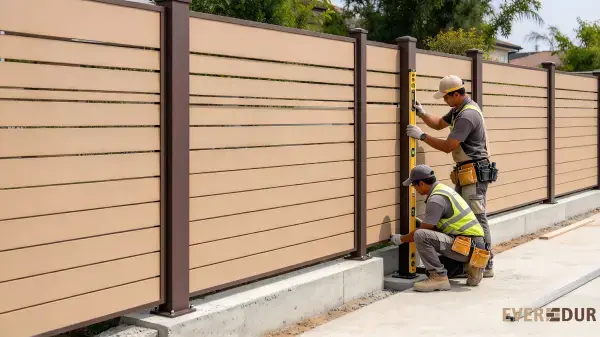
The first step in the installation process is to measure the perimeter and mark the location of the posts. The posts are usually placed from 1.8 to 2.2 meters apart, depending on the standard lengths of the panels to be used. Site conditions are critical here, since firm level ground makes post hole drilling easier, whereas soft or sloping ground may need deeper footings or concrete anchors. Pour the concrete around the posts and allow it to cure fully before continuing. Builders check for plumbness using a level before continuing. When the panels are connected, you may even detect a little tilt.
Then the rails are placed between the posts to form the frame which will support the slats. This joist-and-clip technique is used in many composite systems so the slats may expand and contract gently with temperature variations without warping or breaking. This is more important than most people realize, since severe attachment procedures may impose stress on the material in hot summers or cold winters.
Insert the slats one at a time, starting at the bottom and working your way up. Check spacing occasionally to ensure you have an even pattern. Cap rails or trim pieces are finishing touches that hide exposed edges and give the fence a finished appearance. For bigger homes or commercial operations, skilled installers may pre-assemble elements off-site to speed up the on-site installation. For the average home owner, modest garden fences are usually a weekend job with just the most basic of equipment, a drill and a little patience.
Decorative Composite Fencing Panel Layouts and Slat Spacing
The panel configuration effects both the appearance and the function of a fence. Close slat spacing produces a robust, private screen that almost eliminates sightlines. It's ideal for residences located on busy streets or close to neighbours. The wider spacing of slats allows air and filtered light to penetrate, lessening the apparent weight of the fence while yet providing a definition of boundaries. When choosing decorative wpc fence for their outside area, one of the most practical choices customers make is that balance between openness and seclusion.
Spacing options impact wind load as well. A solid decorative wpc fencing panel is like a sail when storms come and some installers propose modest gaps, even in privacy-oriented designs, to alleviate pressure and decrease stress on posts. This is more of an advantage to coastal estates or windy areas than to protected gardens in the interior.
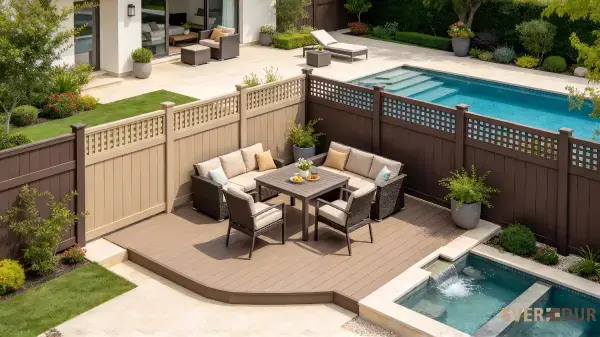
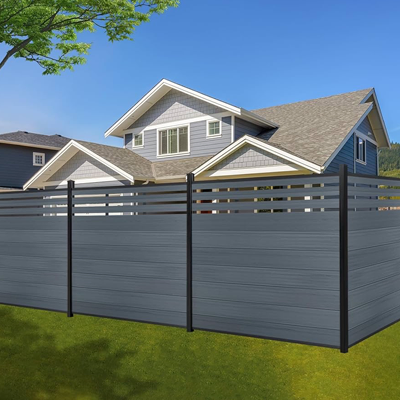
And your layout patterns aren't simply straight slats. Alternating widths, varying heights and blending colour tones may turn a fence from a practical barrier into a beautiful piece. Some designs include a latticed upper section of fence with a solid lower section. This offers a sensation of ground level solitude, yet allows light through at eye level. Mixed patterns are a favourite of commercial space architects, such as cafés or resort walkways, who seek to create a distinctive visual identity without sacrificing durability. Getting the slat spacing right at design stage might save time later since any change to the gaps post-installation will usually necessitate removal and re-fitting of the panels.SEND INQUIRY
Horizontal vs. Vertical Decorative Composite Fencing Designs
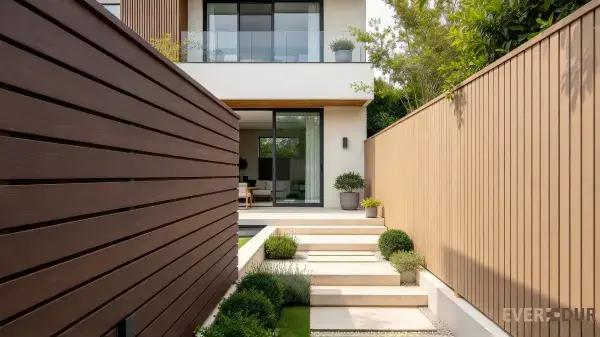
Horizontal Slats Horizontal slats may give a room a feeling of greater space and groundedness, and are a fantastic option for modern residences or structures that are low and straight in shape. The horizontal lines repeat and the eye is dragged sideways along the length of the fence. Gardens appear quiet and orderly. They select this setup since from afar it appears clean and professional.
Conversely, vertical slats tend to pull the eye upward, making a fence appear higher, and a garden more confined and personal. This orientation is particularly well suited to classic or cottage type homes, and it also helps to conceal warping or small defects better than horizontal lines since any little bend in a vertical slat is less obvious than in a long horizontal board.
The two have somewhat different maintenance and structural requirements. The horizontal form often requires a more robust rail support across the longer spans since the slats cover the whole width between posts. Vertical designs spread the weight more equally over the base rail and are frequently easier to construct on uneven terrain since each slat may be cut individually to match a slope.
The choice between the two is generally based on the architectural style of the neighbouring structure and the atmosphere the property owner wishes to create. Some projects are even using both orientations on various parts of the same property, with horizontal panels near the public entry and vertical screens surrounding private patio areas for contrast.
Decorative Composite Fencing for Garden Boundaries and Privacy Screens
There is a lot that garden borders have to do. They need to define property lines, prohibit dogs from straying or people from peering over, and yet look attractive on both sides of the fence. Composite panels are very well suited to this purpose, since they are better than untreated wood in terms of resistance to moisture from garden irrigation and contact with the soil, which causes the latter to deteriorate near ground level after a few seasons.
Composite decorative waterproof fence is a popular solution for privacy screens around pools, hot tubs and outdoor eating areas where splashing water or humidity would quickly damage conventional wood. The material will not swell or split so the panels will remain tight year after year, without the gaps that occur when wood dries and shrinks.
High privacy panels are usually 1.8m tall and are ideal for sitting spaces in backyards. For smaller garden boundaries, 90 to 120cm is a good size for defining flower beds or separating a vegetable patch from a lawn. In one house, some homeowners have varied the height of the panels, making them higher where they are close to adjoining windows, and lower along a front yard where they wanted an open, welcome appearance.
And the question is the choosing of the colour for composite decorative waterproof fencing. Darker colours, such as coffee or dark grey, will fade visually against the vegetation, and as such the fence will seem more like a background than a centre of attention. Lighter tones like ivory or stone grey stand out and are great for contemporary landscaping with hard surfaces and little planting.SEND INQUIRY
Custom Decorative Composite Fencing Sizes for Different Outdoor Layouts
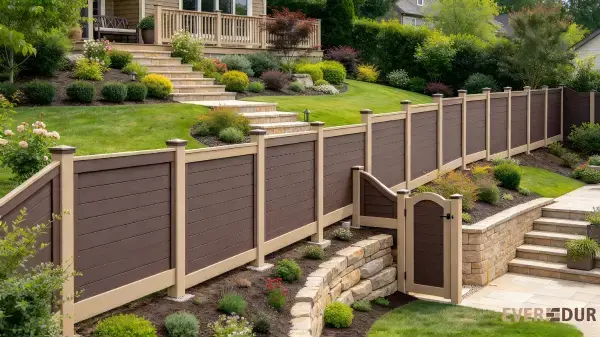
Every site is unique and fence installations frequently include tricky angles, sloping ground or gates that have to fit a certain width of opening. Custom sizing fixes this problem by altering the width and thickness of the slats and the length of the panel to suit the real arrangement instead of trying to fit a standard size into a weird position.
Slats are available in thicknesses of 15mm to 30mm, which can affect stiffness and price. Thicker slats are great for taller privacy screens that can withstand the wind without too much bending, while thinner profiles will serve for lower garden borders with minimal load-bearing demands. Widths from 90mm to 200mm provide designers with the option to adapt a fence to property size. A thin slat design might seem untidy visually on a large corporate site, while large slats could make a tiny garden feel too weighty.
Custom lengths are useful for dealing around slopes or tiered terrain when regular panel sizes would produce unequal gaps at the bottom. The fence is cut into parts, each sized to fit, creating a level top line with the bottom following the natural ground contour. This kind of custom work is typically requested by resorts, residential complexes, and even public landscaping projects, since a cookie-cutter, pre-cut fence seldom fits the bill in real-world terrain without some alteration during the design process.
Conclusion
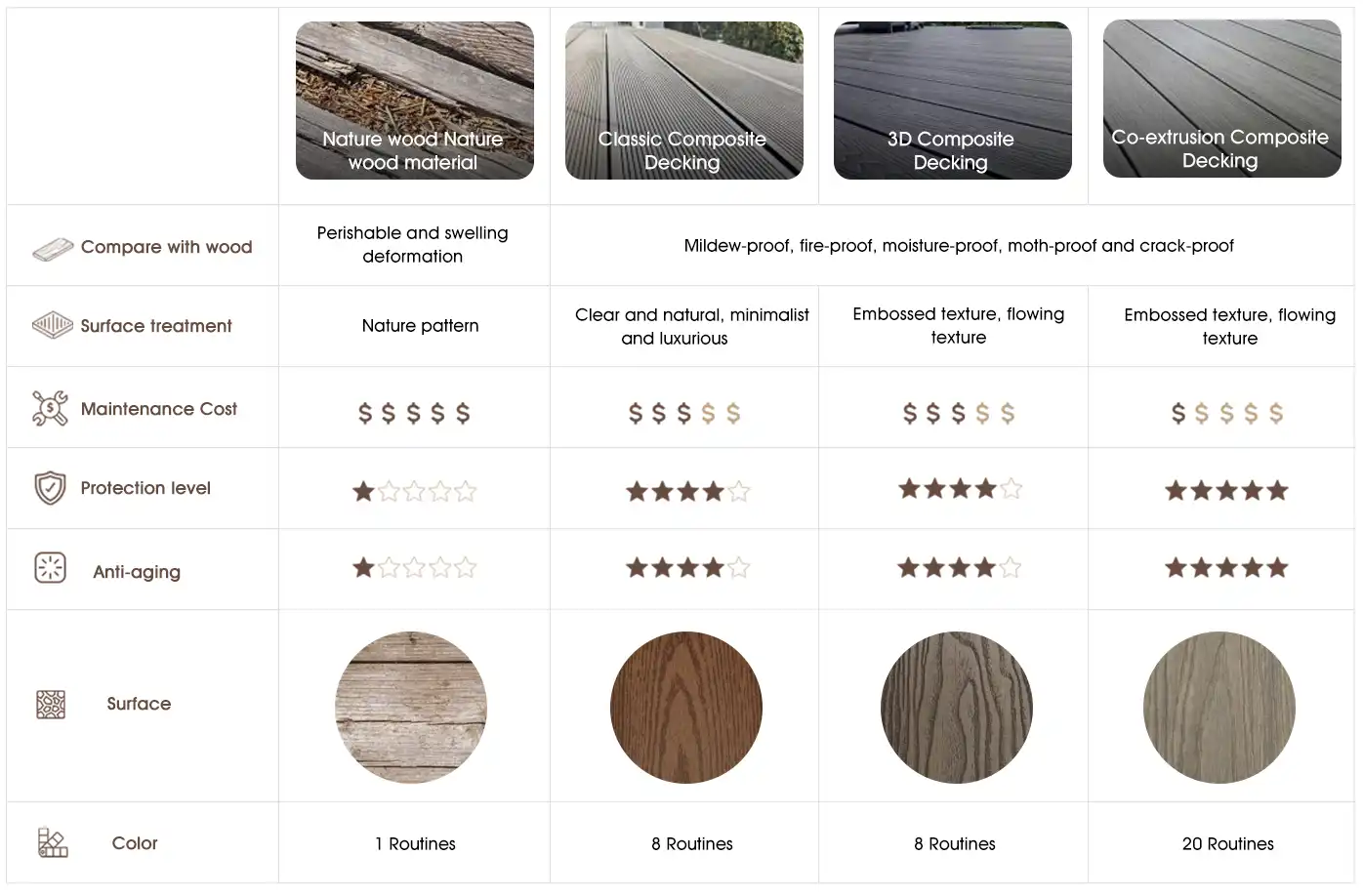
The composite fence is a great choice for property owners looking for something that will give a sturdy and low-maintenance way to set boundaries, provide privacy and beautify the overall appearance of outdoor spaces without the continual attention that wood takes. Whether it's choosing slat orientation or measuring panels for sloping or uneven terrain, strategic planning at the start of a project pays off in a decorative composite fencing solution that fits well and lasts for years. A maker who understands the mechanical and aesthetic sides of fencing can help you convert your selections into a finished product worth showing off.SEND INQUIRY
FAQ
Q: How long does decorative composite fencing typically last outdoors?
A: Most composite fence panels will last 10-25 years, depending on the formulation and the environment in which they are installed. The co-extrusion process provides an additional protective layer, which increases the resistance to UV and moisture over time.
Q: Can composite fencing be installed on sloped or uneven ground?
A: Yes, slopes may be handled by stepping panels down in parts, or by cutting individual vertical slats to match the gradient. Planning the plan before installation might assist to eliminate unequal gaps at the base of the fence.
Q: Does decorative composite fencing need painting or sealing after installation?
A: No, composite fence does not need to be painted or sealed. Dust and minor stains may be washed off with a simple rinse of water. The colour is integrated into the material and not applied as a surface coating.

Ready to Enhance Your Property? Contact Everdur for Decorative Composite Fencing Solutions
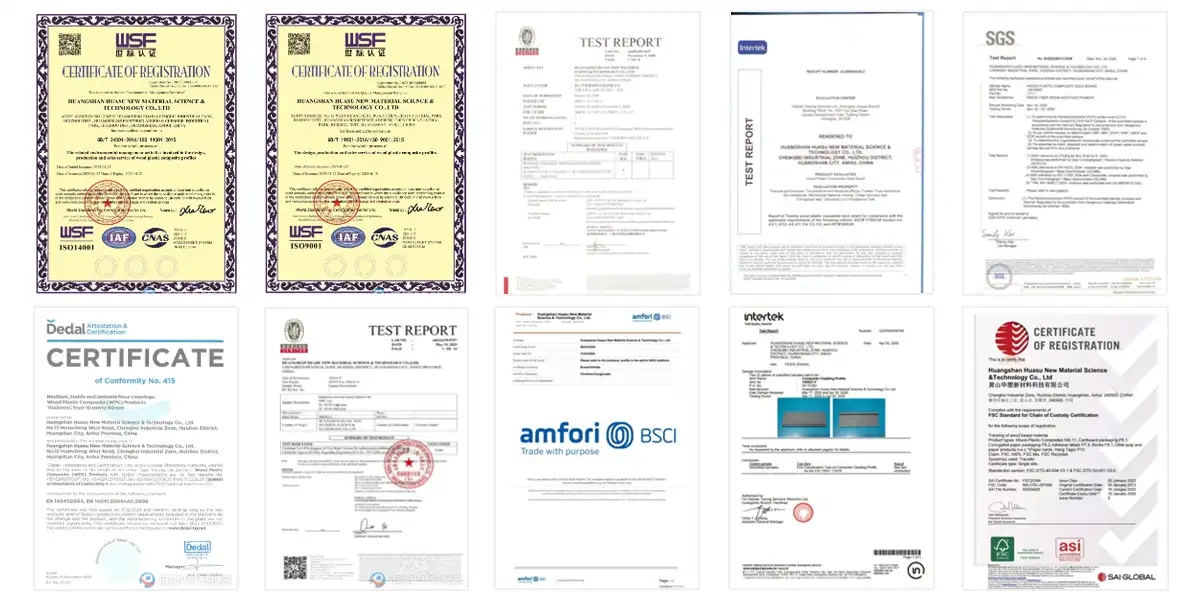
For construction companies, Everdur provides project-based pricing and technical support for major projects. Fence contractors can count on regular panel sizes and predictable lead times to keep project sites moving. For resellers and construction materials wholesalers, Everdur offers exclusive wholesale prices and free samples to test the quality before ordering in bulk. For end consumers, we provide free design advice and installation assistance to help you plan a fence for your yard or patio. Everdur is a practical ornamental composite fence manufacturer that makes decorative composite fencing panels that fulfill EU CE, US ASTM D7039, and China GB/T 24137 requirements, along with Recycled Content certification and E0 environmental compliance. Contact us at violet@wpcsupplier.com for samples or to discuss your project.
References
1. ASTM International, Standard Specification for Establishing Performance Ratings for Wood-Plastic Composite and Plastic Lumber Deck Boards, Stair Treads, Guards, and Handrails.
2. European Committee for Standardization, EN 15534 series on composites made from cellulose-based materials and thermoplastics.
3. China National Standardization Management Committee, GB/T 24137 standard for wood-plastic composite products.
4. Forest Stewardship Council, Chain of Custody certification guidelines for wood-based composite materials.
5. North American Deck and Railing Association, residential fencing and decking installation best practices.
6. International Organization for Standardization, ISO 9001 quality management system requirements for manufacturing processes.
Send Inquiry

Related Industry Knowledge
- WPC Wall Cladding: Tailoring Solutions for Homes and Businesses
- Traditional WPC Decking Maintenance: Easy Tips to Extend Its Life
- Tips and Tricks for Perfect WPC Solid Decking
- 2026 Guide to Grooved WPC Decking: Sizes, Styles & Prices
- How to Install WPC Fence Easily: Step-by-Step Guide for Beginners
- 3D Composite Decking: Elevate Your Outdoor Space with Textured Flooring
- WPC Composite Fencing Installation: Easy Guide for Beginners
- Low MOQ Grooved WPC Decking: Ideal for Residential & Commercial
- WPC Fence Buying Guide: How to Choose the Right Fence for Your Garden and Villa
- Waterproof WPC Cladding: Perfect for Coastal and Rainy Areas