
Landscape WPC Decking: Elevate Your Outdoor Landscape Design 2026
2026-11-03 18:24:21
The materials that define outdoor spaces are evolving swiftly, as are the environments themselves. Landscape WPC decking is made from wood fibre and recycled HDPE to create a surface that resists moisture, insects and everyday wear without requiring regular maintenance. Instead of sanding, staining or sealing a standard wood deck every season, property owners and builders are choosing composite boards that maintain their appearance for years with simple cleaning. So what does this mean? In 2026, outdoor landscape design isn't only about short-term beauty – it's about long-term performance, sustainability and cost management. Decking material is a great option for parks, resorts, seaside paths and private gardens because it can handle considerable foot traffic and temperature variations without losing its structural stability. For 16 years, Everdur has refined co-extrusion technology to create boards that provide the natural look of wood while meeting the practical needs of commercial and residential buildings throughout Europe and North America. This article provides an overview of how WPC decking aids contemporary landscape design, what colour and texture choices are available and how to pick the correct product for a project that's intended to last.SEND INQUIRY
How Does Landscape WPC Decking Enhance Outdoor Landscape Design?
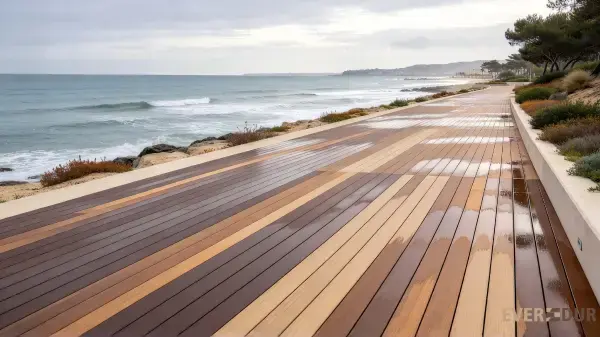
Good landscape design is based on materials that work throughout the seasons. The pace of splitting, swelling and fading depends upon the quantity of moisture to which the wood is subjected. This makes long-range planning a problem for designers employing natural timber. The HDPE shell of a composite landscape deck removes most of this uncertainty, absorbing less water and leading to less prevalent splitting at fasteners and seams.
Landscape designers demand homogeneity over large regions too. A public plaza or a beach promenade may need hundreds of boards and an evident hue variation between batches might damage the overall look. Co-extrusion manufacture helps disperse the pigment uniformly, so a staged-in boardwalk may still look consistent years later.
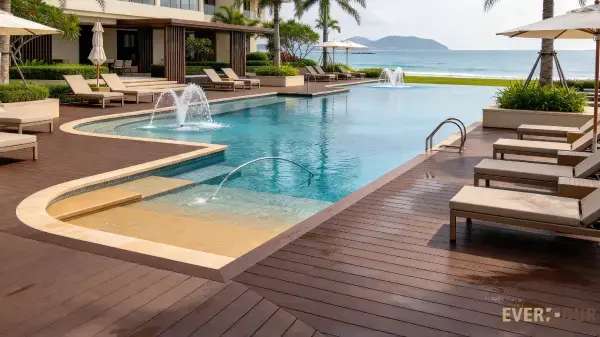
There is a safety factor, too. Many composite boards feature an embossed or brushed surface pattern that may give better grip when wet, making them perfect for pools, fountains and coastal paths that get rained on. The colour is through the extrusion, not only on the surface like painted wood, therefore a surface coating is less likely to be removed by routine foot usage and pressure washing.
For landscape architects who need to combine aesthetic aspirations with maintenance expenses, this combination of dimensional stability, colour consistency and surface texture permits design selections that operate effectively in real-world situations and not only seem nice in a rendering.
Landscape WPC Decking Colors and Textures for Modern Landscapes
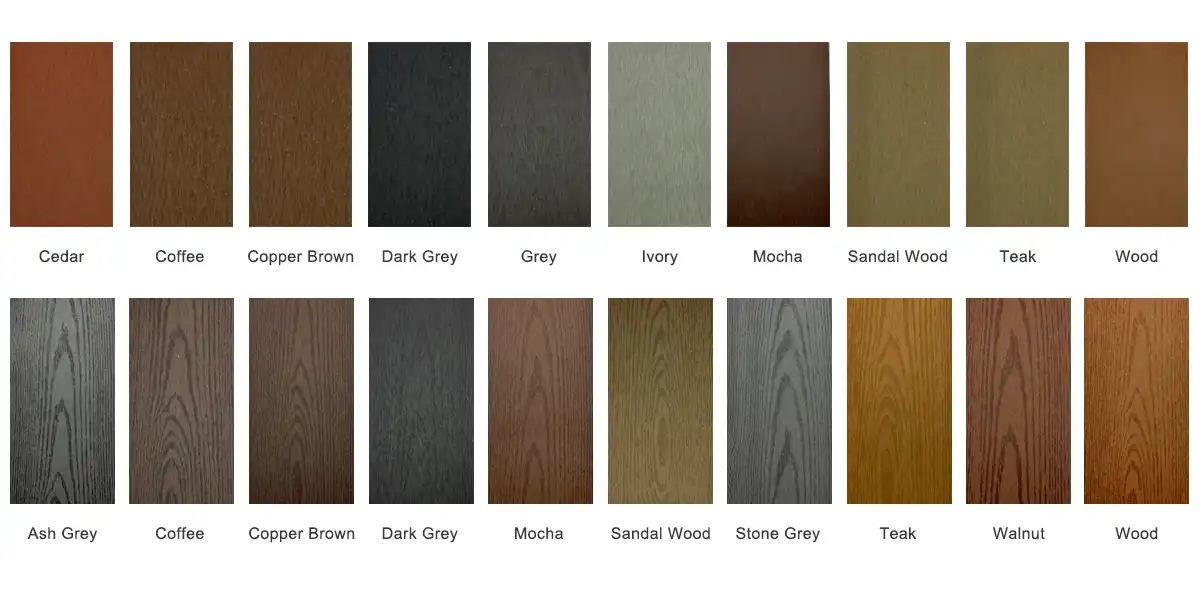
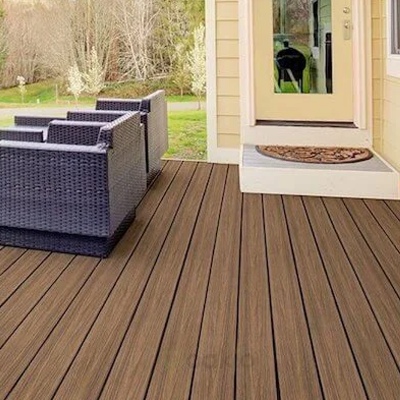
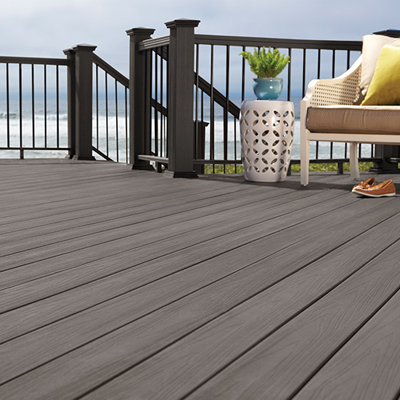
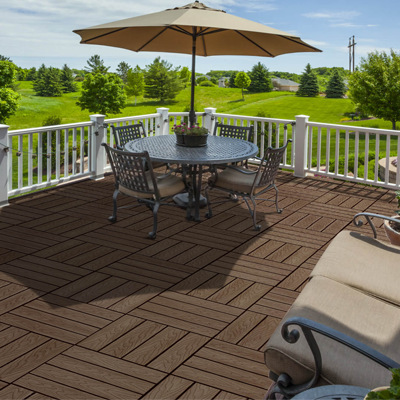
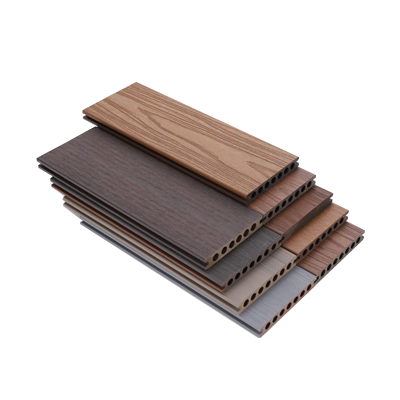
Your choice of colour will effect how your deck interacts with the world around it, and the range of colours available in modern composite boards has moved far beyond a few shades of brown. Minimalist or contemporary designs fit Ash Grey, Stone Grey and Dark Grey. Teak, Walnut and Sandal Wood provide warmth to garden paths or home patios that need a timber-inspired appearance without the care of typical wood.
The impact is useful and beautiful in surface texture. Wood grain finishes mimic the visual depth of sawn wood and are suitable for historical parks or garden settings that want to achieve a rustic feel. Brushed and sanded textures create a cleaner appearance for plazas and corporate walkways where a more contemporary, smooth surface is desired. Embossed patterns may provide you more traction underfoot which might be a helpful alternative for coastal decks and pool surrounds.
Sometimes architects working on branded resorts or municipal construction projects with special palette needs may ask for bespoke colour matching because standard colour cards do not always suit every project's design objectives. This adaptability allows a landscape outdoor wpc surface to blend with the surrounding hardscape, planting beds and architectural facades rather than clash with them. UV-stable pigments can also help retain colour over time, supporting a coordinated appearance after installation.SEND INQUIRY
Custom Landscape WPC Decking Sizes for Unique Outdoor Layouts
Every outdoor project is distinctive, and standard board sizes might lead to complicated cuts or wasted material. Composite decking manufacturers are now offering widths of 135 to 150 mm and thicknesses of 20 to 30 mm, enabling designers to achieve the right balance between load needs and visual proportions. For most residential and light commercial jobs, common profiles such as 140 × 25mm or 150 × 25mm provide a suitable balance of strength and economy of material, although thicker boards may be required for higher-load applications.
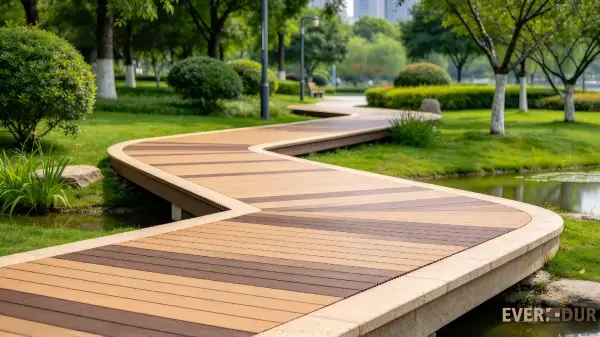
Our standard lengths of 2.2m, 2.9m and 3.6m fit various layouts. For more difficult geometries, such as bending garden paths or uneven plaza borders, we can provide custom lengths. In commercial or public areas with less traffic, hollow-core profiles assist conserve weight and material, whereas solid profiles are better suited for higher load applications.
This adaptability is particularly crucial in situations when a deck must fit inside a pre-existing structure, such as a rooftop terrace with defined borders, or a shoreline promenade that must follow a natural coastline. The benefit of custom size is that builders may create their layout and then pick boards to suit, rather than changing the design to suit normal stock. It also helps maintain uniformity from section to section built months apart for architects working on multi-phase projects since the identical specs may be reordered without redoing the region.
Landscape WPC Decking for Parks, Plazas, and Waterfront Areas
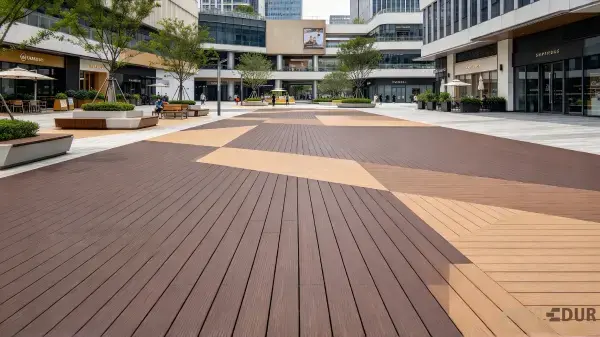
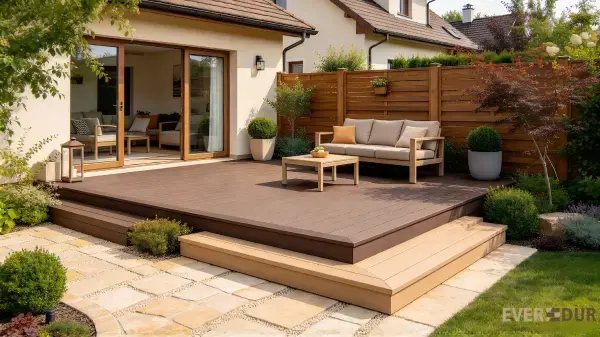
Residential decks often don't have the same demands as public spaces. A urban plaza may get thousands of footprints a day, while a beachside promenade needs to deal with constant moisture, salt and sun. Because it doesn't depend on surface treatments that might flake off with heavy usage, composite decking can handle these situations.
That resistance to decay and pests is a big plus for parks, especially in green places where soil, mulch and plant life would ordinarily speed wood decomposition. This means that composite decking may be used in wooded walkways and community gardens to decrease the periodic repair that is usually needed for certain treated timber installations.
Dimensional stability in plazas and public spaces is essential to withstand heavy pedestrian traffic and stresses from temporary structures such as market stalls or event equipment. Stable boards may assist to keep the surface more constant and can reduce the development of uneven spots over time.
Waterfront decks and marina pathways are subject to harsh circumstances such as splashing water, humidity and day/night temperature variations. Moisture resistant boards and rust resistant hardware are ideal for a landscape WPC decking system, and resorts and hospitality complexes located around coasts or lakes may choose composite materials for outside pathways and observation platforms.SEND INQUIRY
How to Choose Landscape WPC Decking for a Long-Lasting Design?
The first step in selecting the correct landscape composite deck is to match the material requirements to the climate and use pattern of the project. High moisture and salt resistance are important for coastal projects, whereas boards with suitable dimensional stability can be useful for inland parks that experience large temperature changes. Appearance is important, but manufacturer data on UV stability, water absorption and other relevant properties can provide a clearer basis for product selection.
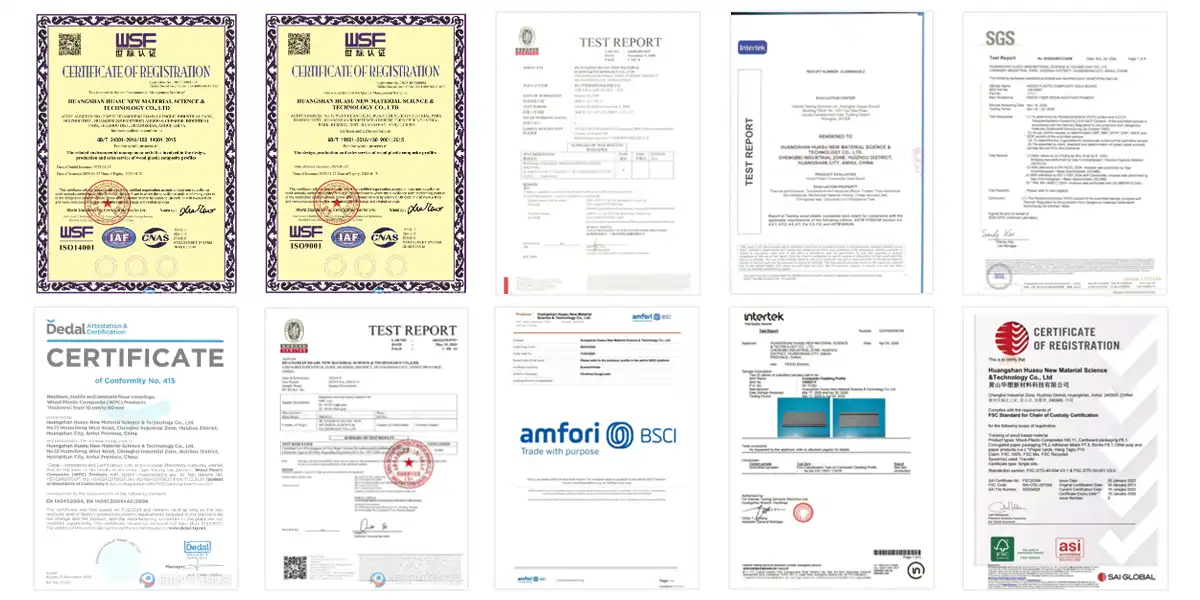
Certifications and test paperwork may also give an added layer of trust. Architects specifying materials for public contracts may benefit from documentation of products that have been tested or appraised against appropriate ISO, ASTM or other relevant standards. Buyers of projects with sustainability standards should additionally check any stated FSC or other sourcing certification for the individual product.
One measure of stated expectations for service life by the manufacturer is the length of the warranty term. In general, co-extrusion solid decking may have different warranty coverage than other board constructions due to variances in construction and material composition. “Buyers should ask about warranty conditions for hollow and solid profiles as these are not necessarily the same across a product range.
Another factor is the need of upkeep. Even low-maintenance composite boards need occasional cleaning following the manufacturer's care requirements. That, in turn, helps facilities teams set realistic maintenance expectations for running big public installations over a ten- to twenty-five-year service lifetime.
Conclusion
Composite decking has gone from a niche choice to a viable option for outdoor areas that need to operate under real-world conditions. WPC boards provide architects and contractors with greater control over both appearance and long-term durability, from colour and texture options that complement current design language to size flexibility that accommodates unconventional layouts. Whether it is a private garden walk or a seaside promenade, selecting a proven landscape wpc decking solution can reduce maintenance needs and help keep the outdoor environment visually consistent for years.SEND INQUIRY
FAQ
Q: Is landscape WPC decking suitable for areas with heavy rainfall or humidity?
A: Yes. The HDPE element can restrict water absorption, while the co-extrusion process provides a protective outer skin that helps resist moisture damage, making it a useful solution for humid areas and seaside projects.
Q: How long does composite decking typically last before replacement?
A: The service life can range from ten to twenty-five years, depending on the product line, installation conditions, environmental exposure and maintenance. Warranty coverage may differ between co-extruded solid boards and other board structures.
Q: Can the color and surface texture be customized for a specific project?
A: Yes. In addition to conventional colour cards, manufacturers may offer custom colour matching and surface treatments such as wood grain, brushed or embossed textures to complement specific architectural concepts.
Ready to Plan Your Landscape WPC Decking Project?
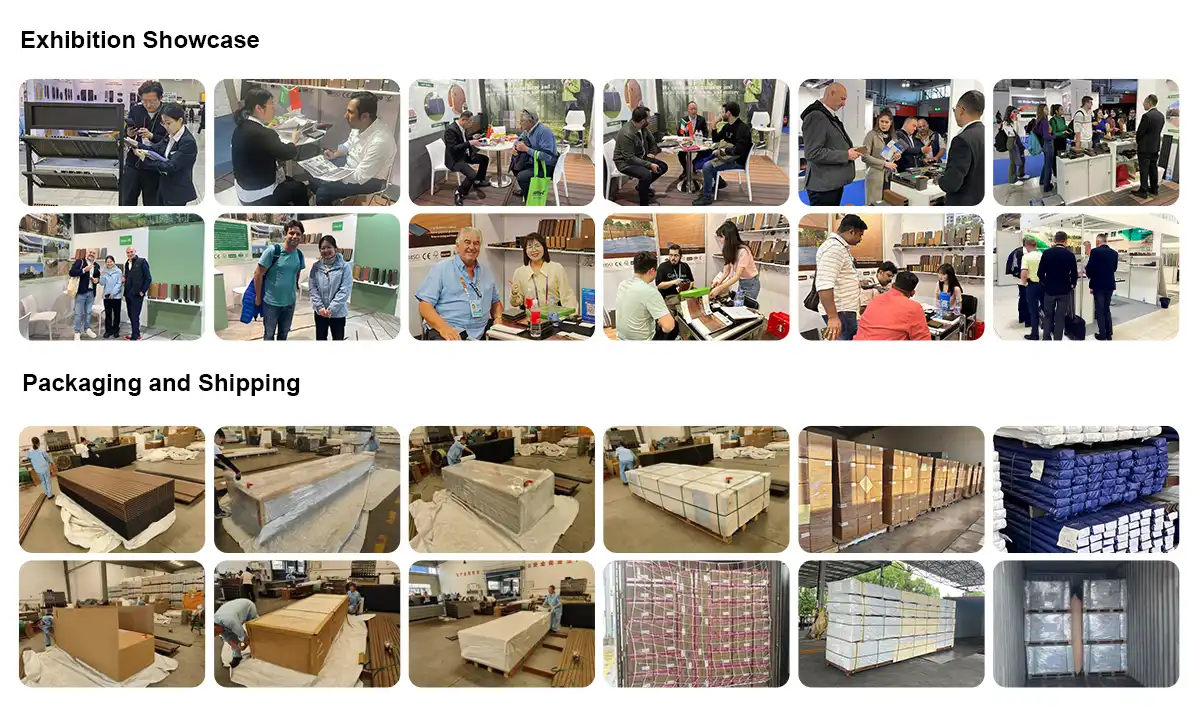
Everdur provides technical specification support and bulk-order scheduling assistance for construction companies that need to coordinate material supply with project timelines. For decking contractors, the company can provide project-specific samples and installation guidance to support product evaluation and application planning. Construction-material distributors and resellers can receive personalized account support and tiered wholesale pricing based on their purchasing requirements. End customers can receive design consultation and material recommendations suited to their climate and intended outdoor application.
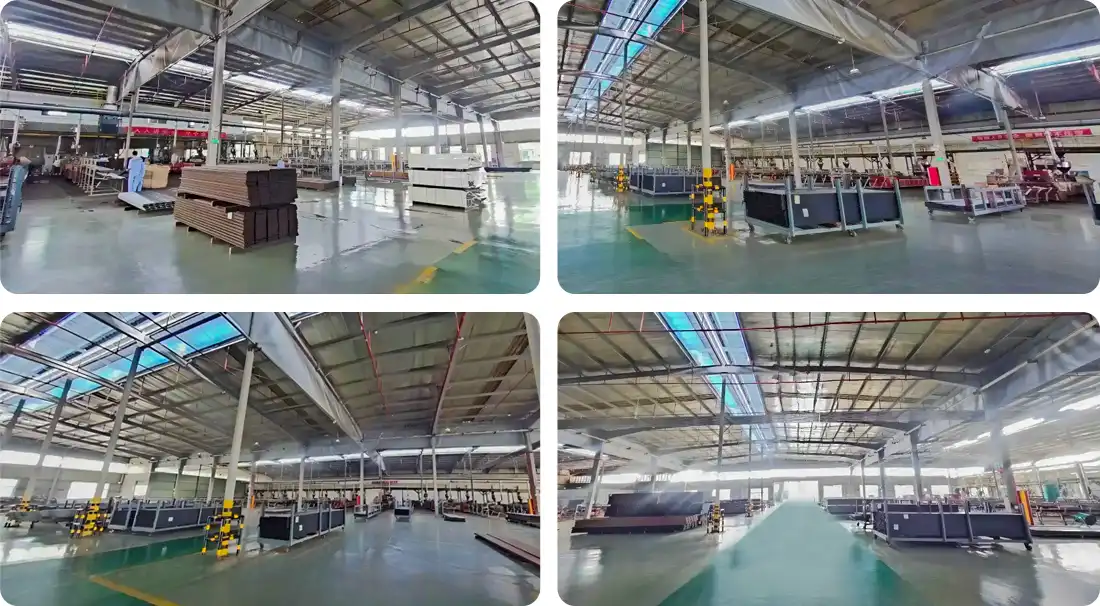
Everdur is a landscape wpc decking manufacturer with sixteen years of manufacturing experience. Its boards are presented as compliant with EU CE, US ASTM D7039 and China GB/T 24137 requirements, along with Recycled Content certification and E0 environmental compliance. For samples, pricing or technical documentation for your next outdoor project, email violet@wpcsupplier.com.
References
1. ASTM International. Standard Specification for Wood Plastic Composite Decking Boards.
2. International Organization for Standardization. ISO 9001 Quality Management Systems Requirements.
3. Forest Stewardship Council. FSC Chain of Custody Certification Standards.
4. European Committee for Standardization. CE Marking Requirements for Construction Products.
5. U.S. Department of Agriculture Forest Products Laboratory. Wood Handbook: Wood as an Engineering Material.
6. European Chemicals Agency. REACH Regulation Guidance for Construction Materials.
Send Inquiry
Related Industry Knowledge
- Anti-Fade WPC Commercial Building Facades: Long-Lasting Aesthetics
- Low MOQ Co-Extrusion WPC Cladding: Perfect for Small Projects
- Low MOQ WPC Commercial Building Facades: Perfect for Small Commercial Projects
- 2026 Guide to Waterproof WPC Decking: Sizes, Styles & Prices
- Weather Resistant Brushed WPC Decking: Perfect for All Climates
- Weather Resistant Swimming Pool WPC Decking: Durable in All Seasons
- Solid WPC Decking: Heavy-Duty Flooring for High-Traffic Areas
- Eco-Friendly Co Extrusion WPC Decking: Sustainable Outdoor Solution
- How to Choose High-Quality Co Extrusion WPC Decking for Your Garden
- Waterproof WPC Cladding: Perfect for Coastal and Rainy Areas