
Knowledges

WPC Commercial Building Facades Installation: Guide for Large Projects
The technique for the installation of wpc commercial building facades on big structures is layered. There is a base of steel or aluminium, a ventilation gap and the composite cladding, which is fastened by concealed clips or visible fasteners. For major projects, planning begins with load calculations, climate evaluation and substructure design before the first panel is placed. Ventilated facade systems let air to flow under the façade, reducing moisture accumulation and aiding in surface temperature regulation. The panels may be mounted horizontally or vertically depending on the architectural design, and the spacing and attachment patterns are adapted to the size of the panels and the wind load requirements. Contractors often work with pre-drilled or co-extruded profiles that snap into rails and save labour hours over conventional wood installation. This document outlines the installation sequence, substructure options, and planning stages required to have a facade project go successfully from design to completion for developers of office buildings, retail centres, or hospitality projects.VIEW MORE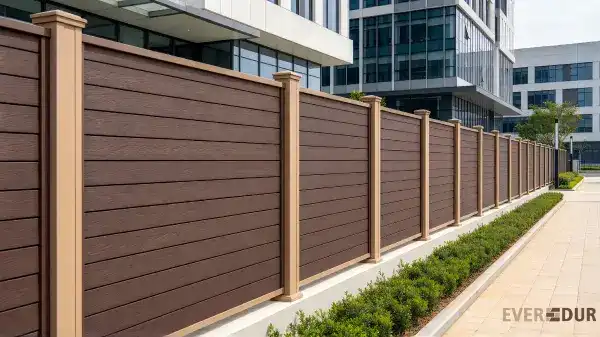
Wholesale Wood Plastic Composite Fence Panels: Bulk Supply & Factory Prices
If you are after wholesale wood plastic composite fence panels at factory prices, you are likely a contractor, distributor or property developer trying to lock in a solid supply chain without paying retail markups. Buying in bulk directly from a manufacturer often means reduced per-unit prices, consistent batch quality, and the option to request bespoke specifications or finishes for your unique project. Factory pricing is provided if order volumes meet a certain minimum, often based on container loads rather than tiny pallet numbers. Because buyers skip over many distribution channels, landing costs are predictable — even when shipping overseas — which saves them money. A reputable provider will also give evidence for material composition, weather resistance testing and certificates confirming the panels fit area building requirements. Whether you are looking for composite brushed fence panels for a residential development or conventional wpc fence board profiles for commercial landscaping, dealing directly with a manufacturer allows you to have greater control over lead times, packaging and after-sales support. Here, we go into requirements, customisation, minimum order numbers, and what a reliable bulk supply setup truly looks like.VIEW MORE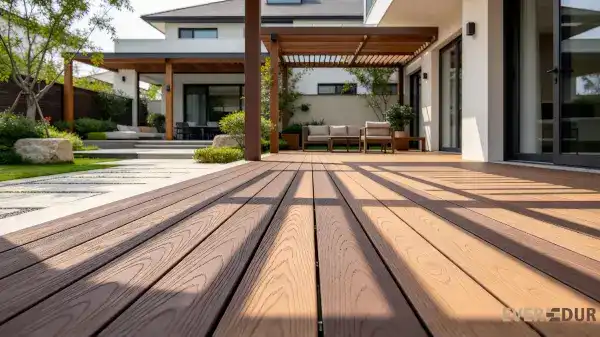
Wood Grain Custom WPC Decking: Custom Patterns for Your Style
With its wood grain unique design, WPC decking delivers you the warmth of genuine timber with the durability of engineered composite material. This decking solution gives homeowners and project planners the opportunity to make their outdoor areas seem authentic while avoiding the care that real wood requires. This decking design uses embossing and co-extrusion processes to mimic the grain patterns, texture and tone of woods such as teak, walnut or cedar so the final board has visual depth but is still resistant to moisture, pests and fading. If you're looking at composite possibilities, custom wpc decking is unique in that the pattern, colour and surface texture may be customized to suit a particular design idea, rather than settling for a generic plank off a shelf. Everdur has partnered with manufacturers, builders and distributors who need decking to operate in many conditions but also have a unique, polished look. This article will review how wood grain patterns are made, what embossing possibilities are available, which colours tend to work well for certain design objectives and how to pick the proper board for a particular outdoor situation. By the end you should know a little better which pattern and finish combo is right for your project.VIEW MORE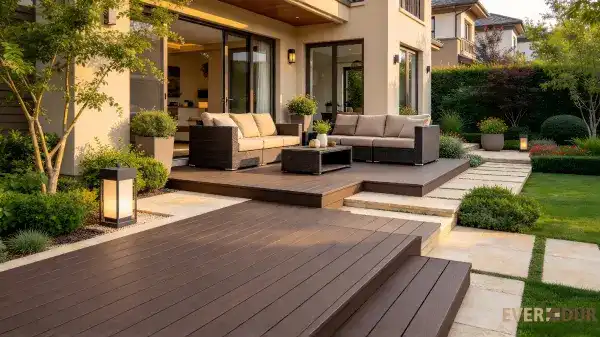
Traditional vs co-extruded decking: which is better?
Classic composite decking is a wood-plastic composite board that has the material equally mixed throughout the whole profile, whereas co-extruded decking adds a plastic cover over the same core. If you sell, acquire or specify outdoor flooring this distinction matters to your pricing list, your claim rate and your repeat orders. This article evaluates both products on cost, durability, climatic performance and supplier risk, so you can choose the optimal one for your market and your margin.VIEW MORE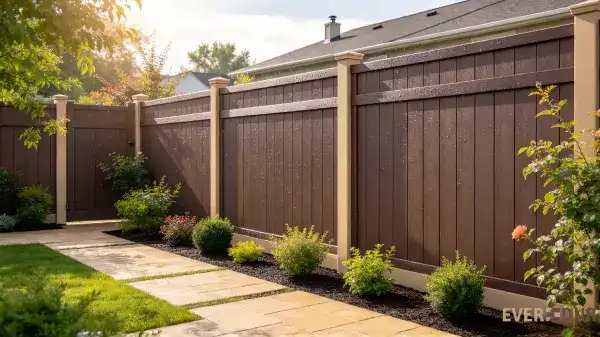
Why Wood Plastic Composite Fence Panels Are Better Than Wood Fencing
If you're searching for fence supplies for your next project, you've probably noticed that regular lumber isn't what it used to be. Wood Plastic Composite Fence Panels are manufactured from a blend of recycled HDPE and wood fibres and represent a much more moisture, pest and temperature resistant barrier than solid timber. While cedar or pine boards might split, warp or lose their colour in a few seasons, composite panels need minimal care to retain their shape and colour. This means fewer calls, lower lifetime costs and a product that genuinely works year after year for homeowners, builders and distributors across Europe and North America. Wood has its charms but when you add up the expenses of sealing, staining, restoring rotting boards and insect damage the figures never line up in its favour. This article compares composite panels to wood and discusses the importance of durability and maintenance for outdoor applications and why this material is a smart choice for privacy fences, boundary walls and practically any size decorative screening project.VIEW MORE
Wholesale Garden WPC Decking: Bulk Supply for Garden Projects
If you are buying decking materials for several garden projects, wholesale garden wpc decking is a smart choice. It will provide you a consistent quality at an inexpensive price. The substance is a mix of high density polyethylene and wood fibres, which results in boards with greater resistance to pests, moisture and temperature fluctuations than those produced solely of wood. When buying in bulk from a reputable mill, contractors, resellers and landscape designers with numerous sites working simultaneously appreciate that each batch will be uniform in colour, texture and size – a critical trait if boards from future shipments are set side by side. In wholesale supply chains the lead times are lower because manufacturers may plan their production on specialized manufacturing lines based on predefined order amounts rather than trying to hurry to meet random small requests. Customizations such as logistics (a different board thickness or surface treatment better suited to a given region) are commonly supplied to high volume clients but rarely to smaller retail buyers. In this post, we'll examine the sizes and finishes available, how to discover credible manufacturers of composite decking, and what questions you should ask before making a large purchase. These tips will assist you to negotiate your conditions better and to avoid future disagreements, whether you are the owner of a construction business, a fence company, or you sell building materials to local shops.VIEW MORE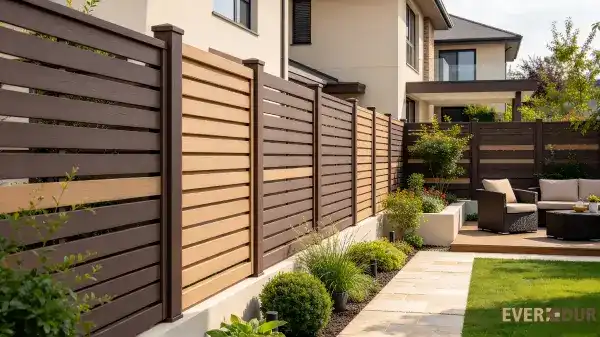
Weather Resistant Decorative Composite Fencing: Durable & Stylish
If you're looking for a fencing choice that will hold its shape, colour and strength in the face of rain, humidity and exposure to the sun, decorative composite fencing is worth a comprehensive examination. The material is made from a blend of wood fibre, recycled HDPE and performance additives that resist moisture absorption, reduce the swelling and avoid the cracking that plagues typical timber fencing after a few seasons outside. The surface look of composite fence panels is rather stable throughout the year. Fade resistant even after extensive exposure to the ultraviolet rays. This means less replacements, cheaper maintenance costs and consistent curb appeal for homeowners, contractors and resellers throughout Europe and North America in private yards, commercial courtyards and public landscaping projects. The parts that follow look at how this material stands up to weather, moisture, coastal air and everyday wear and tear, and offer practical advice on choosing panels suitable for your environment and the scope of your project.VIEW MORE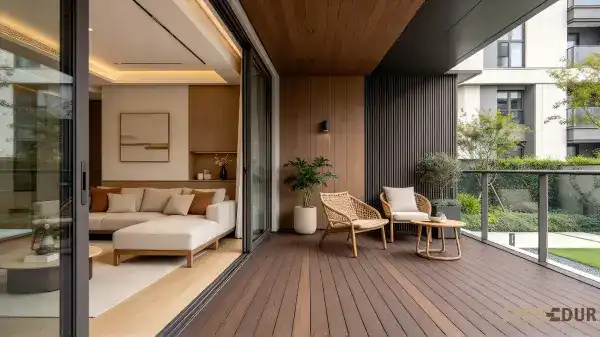
Wood Grain Balcony WPC Decking: Elevate Your Balcony’s Aesthetics
Your balcony is not just a ledge outside your window, it is a personal refuge, a morning coffee location or a silent evening escape. But many outdoor spaces have worn, fractured or weather-beaten flooring, ruining the whole experience. Create something really inviting out of that unused area with balcony WPC decking with wood grain finish offering a sensible solution. Wood-plastic composite decking uses recycled wood fiber and high-density polyethylene (HDPE) to mimic the look and feel of wood without the disadvantages that come with the material – no rotting, no warping, no yearly re-staining. If you’re a homeowner in Europe or North America and you want a balcony that looks thought-out and can survive Atlantic winters or Pacific Northwest rainy seasons, wood grain composite decking is a logical compromise between esthetics and durability. What makes the wood grain finish so compelling? What surface textures and colors work well with diverse design visions? Why do composite materials earn their position over traditional hardwood in outdoor settings? This essay examines these questions and more.VIEW MORE
Anti-Slip Commercial WPC Decking: Safe for Public Commercial Spaces
When a guest falls on a wet pool deck or a rain-soaked hotel entrance, the fall is more than just a banged-up knee. Liability lawsuits, reputational loss, and regulatory scrutiny are shortly to follow. That's why specifiers and project managers in Europe and North America are taking a closer look at the slip-resistance qualities of commercial WPC decking before they commit to any outdoor flooring material. Wood-plastic composite decking has earned a great reputation for durability, low maintenance and environmental responsibility, but its safety credentials – particularly in high-traffic, wet-exposure areas – deserve equal attention. The article examines surface texture engineering, standardized slip testing, drainage design and frequent cleaning as the components of the creation of really safe public business areas. Whether you’re selecting materials for a hotel pool terrace, municipal boardwalk or high-traffic retail forecourt, understanding these elements allows you to specify with certainty and protect the people who utilize those spaces every day.VIEW MORE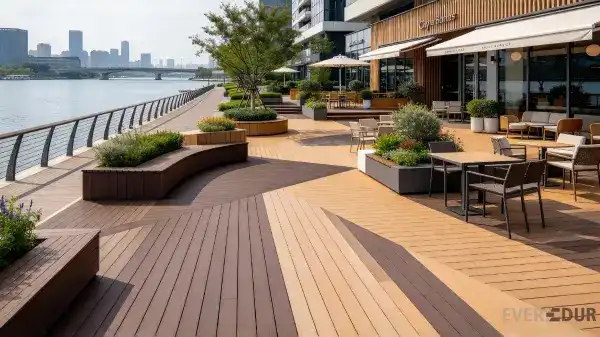
Wholesale Eco-Friendly WPC Decking: Green Supply & Factory Prices
Buyers, contractors and distributors get factory direct pricing on wood plastic composite (WPC) decking boards made from recycled HDPE and reclaimed wood fibres from wholesale eco-friendly WPC decking. Purchasing directly from a manufacturer at wholesale volume instead of via a trading business may sometimes translate into lower rates per square meter, more consistent batch quality and direct access to custom profiles, colours and lengths. The mature production lines of a manufacturer of green wpc decking for sale may shorten the delivery time and make the cost of the container for international orders predictable. When you’re supplying a park or a resort or a residential complex or a series of retail establishments, you remove part of the markup by dealing directly with a manufacturer and make the certification paper trail easier to follow.VIEW MORE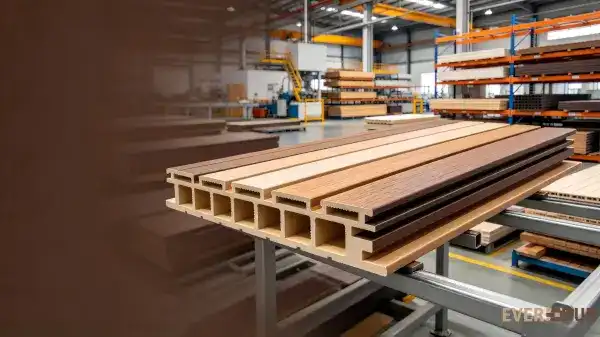
Wholesale Co-Extrusion WPC Cladding: Factory Price & Bulk Supply
Buyers need to understand that there are many factors that impact the wholesale co-extrusion WPC cladding cost before they ask for quote. Factory prices are typically derived by the raw materials used, board dimensions, finish and order size. Often buyers may receive a better price by buying straight from the manufacturer instead than via many distributors. The cost of production is passed down without the extra layers of markups. The co-extrusion wpc cladding is made of a double layer construction where a wood-plastic composite core is covered by a protective polymer cover and the dual layer construction of the product affects the manufacturing cost compared to single layer wood-plastic composite articles. Contracts for bulk supply (where consumers agree to order larger amounts or on a continuing basis) often include tiered pricing that allows for substantially cheaper rates per square meter. The final pricing also depends on the delivery distance, the packaging requirements and any alteration requests (particular colours or textures).VIEW MORE
Low MOQ WPC Commercial Building Facades: Perfect for Small Commercial Projects
Many manufacturers establish minimum specifications for excellent exterior cladding, which are exorbitant and difficult for small commercial projects to meet, since they prefer large-scale buildings. Low MOQ wpc commercial building facades meet this challenge by enabling boutique hotels, small retail outlets, cafés and neighbourhood offices to purchase composite panels without having to buy container-sized quantities. Made of wood fibre and recycled HDPE, these façade solutions provide resistance against moisture, pests and UV fading, while yet delivering the look and feel of genuine hardwood. A lower order threshold offers quicker turnarounds, less inventory risk and the opportunity to test colours or textures before committing to a larger scale for architects and contractors working on smaller projects. It’s also great for remodelling work where you may just need a few square meters of cladding to update an entryway or feature wall. Smaller enterprises may get the same architectural benefits that big projects have, without the financial pressure of buying in bulk, by selecting suppliers that can provide controllable order numbers coupled with constant quality control. We will go over the minimal order numbers, what purchasers may anticipate from the compact orders, and how to contact the suppliers for the facade materials that are ideal for the smaller buildings.VIEW MORE
- 1
- 2
- 3
- 4
- 5
- 6
- 11