
Wholesale WPC Landscape Walls: Bulk Supply for Landscape Projects
2026-11-24 17:50:02
Across Europe and America, landscape architects, contractors and property developers are turning their backs on conventional fence and boundary materials in favor of composite alternatives that last longer and need less maintenance. WPC landscape walls are a practical solution for projects that need consistent quality at scale, whether you're equipping a housing complex, a public park or a chain of retail establishments. These walls are panels made from a combination of wood fiber and recycled HDPE that resist decay, vermin and fading while maintaining the natural look of wood. If a consumer is buying in volume, a manufacturer's ability to consistently produce big quantities of the same quality is as important as the product itself. In this post we'll cover what these walls are, how they're specified and erected, how they compare with earlier materials, and what you can anticipate when you place a wholesale order.SEND INQUIRY
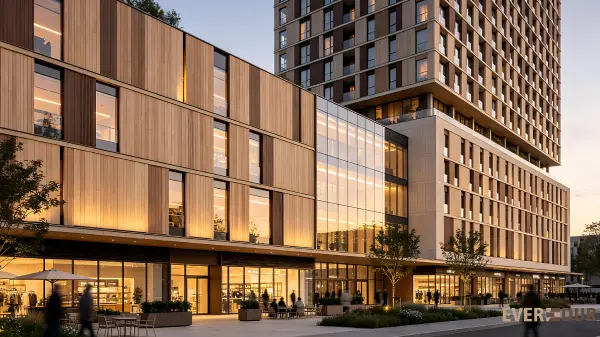
What Are WPC Landscape Walls and Where Are They Used in Outdoor Projects?
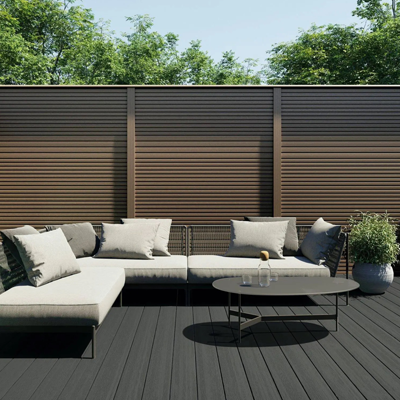
The wood-plastic composite landscape wall is a panel system formed by extrusion molding, made of wood powder, high-density polyethylene and chemical additives. It has the appearance of wood, but the feel of a waterproof polymer. Unlike a painted wooden fence that requires frequent sealing, these panels will keep their color and shape in seasonal temperature extremes, rain and direct sunshine exposure. Today, several manufacturers use a process called co-extrusion. They are made of a core substance with a protective outer coating to improve their resistance to moisture and UV damage.
Understanding the Composite Structure Behind These Walls
The core of a typical panel is a combination of reclaimed wood fibers and HDPE resin. The blend is then extruded on an extrusion line using heat and pressure. This holds the materials in a thick, solid profile. The second generation co-extrusion adds a cap layer to the exposed surface to minimize moisture absorption and to reduce solar fading. The combination provides the panel dimensional stability that solid wood does not provide, since wood naturally expands and contracts with changes in humidity. This layering is why purchasers of composite landscape walls for commercial projects often ask about it. It directly affects how long a wall will look good in adverse situations.
Common Applications Across Residential and Commercial Landscapes
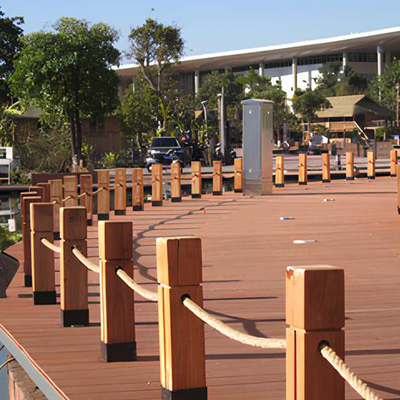
These wall systems are used by property owners to build backyard privacy screens, raised garden bed borders and boundary enclosures around villas. Commercial landscapers put them to use in public parks, on walking routes and to create appealing barriers between eating areas. Retail establishments and hotel enterprises tend to choose for solid panel layouts for ultimate privacy, while residential consumers prefer slatted designs so light and air may still pass through. The panels are available in standard lengths of 2.2, 2.9 and 3.6 meters, allowing builders to create a range of layouts on a single site without the need to order custom cuts for each one.
Why Project Teams Choose This Material for Larger Sites
For large landscaping projects, uniform batches and a reliable supply is crucial, since panel colors or thicknesses that aren't consistent are easily seen across a long wall run. The wood-plastic composite production lines are designed for consistent output, so a 500-meter order emerges with the same tone and texture as a 50-meter order. It's consistency, and its pest and moisture resistance, make it a reasonable choice for municipal contracts and multi-site developers who can't afford to continually correcting them after installation.SEND INQUIRY
WPC Landscape Walls Specifications: Panel Sizes, Thicknesses, Profiles, and Custom Options
Getting the panel size right from the start can save time on procurement and reduce delays once you are into installation. Most manufacturers will have a base range, and then provide modifications for projects with non-standard structural or esthetic requirements.
Standard Panel Dimensions and Profile Choices
Widths are normally 140 to 220 mm and thickness 20 to 40 mm depending on whether the wall is supposed to be structural or only a visual screen. Typical profile dimensions include 90x25mm, 120x20mm, 135x25mm, 138x23mm, 140x20mm, 140x25mm, 145x25mm, 150x25mm allowing the designer the choice of delicate decorative slats or more robust structural boards. Most home and business designs will employ the standard lengths of 2.2m, 2.9m and 3.6m, although longer runs may be produced by connecting panels at intervals between posts. Wind Load- Wind Load is Thickness Dependent. Thicker profile alternatives are required to stay firm over time in open, windy settings with taller walls.
Material Composition and Surface Finishes
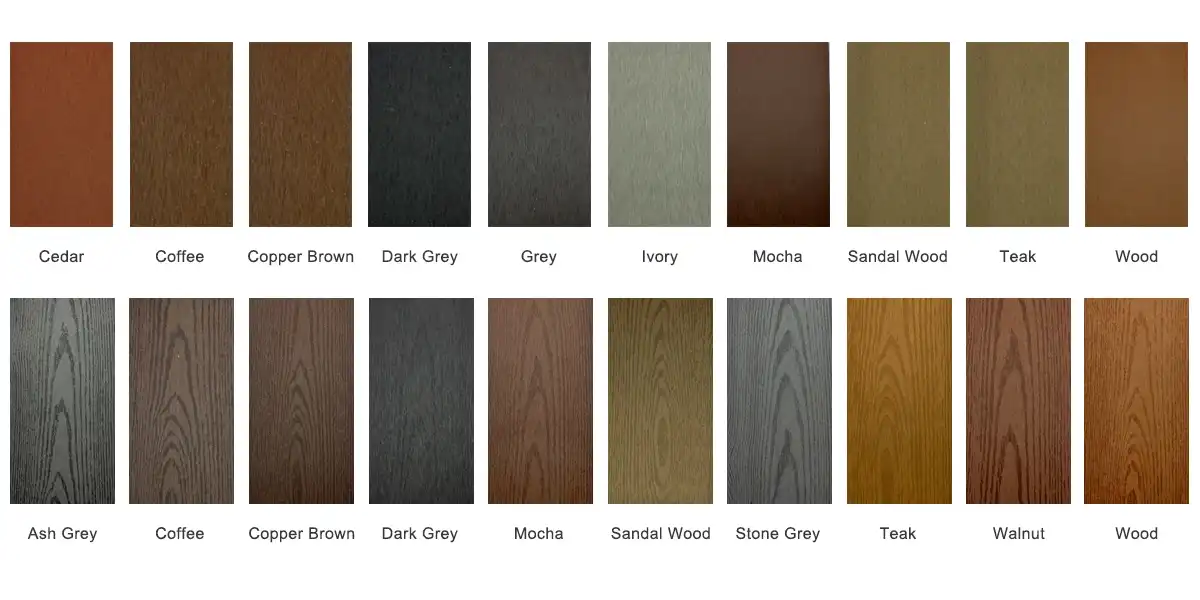
The panels are produced from a combination of wood powder, HDPE, and chemical additives for improved UV stability and moisture protection. They come in brushed, sanded, embossed and wood grain finishes. Each finish has a different look and feel. Brushed finishes generally have a subtle matte texture that conceals little flaws. Embossed wood grain patterns are so accurate in imitating cedar or walnut planks that visitors may mistake them for timber at first glance. It is available in colors like as Ash Gray, Cedar, Coffee, Copper Brown, Dark Gray, Gray, Ivory, Mocha, Sandal Wood, Stone Gray, Teak, and Walnut, and custom color matching is available for projects that require to meet a certain brand palette or architectural design.
Customization Options for Unique Projects
For climate-specific or design-driven projects, buyers might request customized material compositions suitable for coastal humidity or significant temperature variations. In addition to the basic card, color customisation enables architects match a building's current palette, while surface texture modification gives flagship properties a unique design. Special model customisation tweaks panel size so that the wall fits perfectly into oddball spatial layouts, which becomes important in retrofits when existing supports or foundations can't be altered. The MOQ of these WPC outdoor landscape walls modification routes is usually 100 square meters, which means you can perform modest test orders before going for the whole project run.SEND INQUIRY

WPC Landscape Wall Installation Systems: Modular Panels, Posts, and Structural Support
It is just as reliable as the quality of the installation of the wall system. Composite panels are quite resilient to the weather, but the mounting hardware and structural frame of the wall dictate how it will stand up to wind stress, soil movement and years of heat cycling.
Modular Panel Assembly Explained
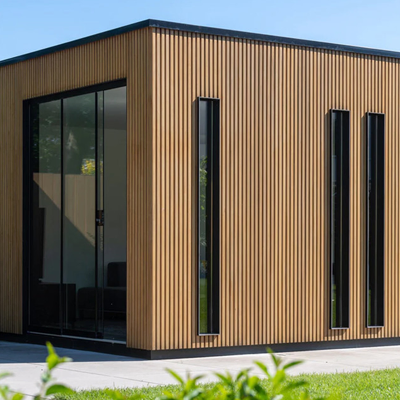
Most are modular, made of separate panels that slide or click onto vertical poles at regular intervals, often between 1.8 and 2.4 m apart, depending on the thickness of the panel and the expected wind exposure. The modularity permits a considerably speedier build than concrete walls on site or wood framing. Workers may put parts together instead of waiting for cure or dry time. Panels may be placed horizontally for a clean linear look or vertically for a more traditional fence impression. Some builders may combine the two in one project to create a visible separation between zones.
Post and Frame Support Systems
The external cladding is comprised of composite panels and the structural structure is of steel or aluminum posts. Steel posts are usually stronger and can withstand higher wind loads and taller walls and are commonly utilized in commercial projects or places with high winds such as coastal areas. The aluminum frame is lighter and resists corrosion which is a bonus for home installers not equipped with heavy machinery. This is the joist and clip installation method . Panels are secured and allows some thermal movement which avoids buckling at extreme temperatures . Posts too close together waste material; posts too far apart risk sagging panels. Builders should not guess at spacing but rely on the manufacturer's load figures.
Installation Tips for Long-Term Stability
In cold regions footings must be below the local frost line. Over a few seasons the posts may loosen as the ground moves through freeze-thaw cycles. Drainage at the base of each post prevents standing water from touching the post and the ends of the panel, therefore increasing the life of both. Solid wood expands much more than composite material, although crews should leave a little room between the edges of the panels and the connected fasteners to allow for a little expansion. Pre-installation layout assessments are very useful for long distance projects. These inspections are to make sure the ground slope and post alignment are correct before installing panels. It's cheaper to find alignment faults early than to fix them after installation.SEND INQUIRY

WPC Landscape Walls vs. Wood, Concrete, and Metal: Which Material Suits Your Project?
Composite, wood, concrete and metal are all alternatives based on budget, environment, maintenance tolerance and the esthetic impact intended for a project. All materials have their downsides and it pays to consider them before you part with your cash on a major purchase.
Comparing Maintenance and Lifespan
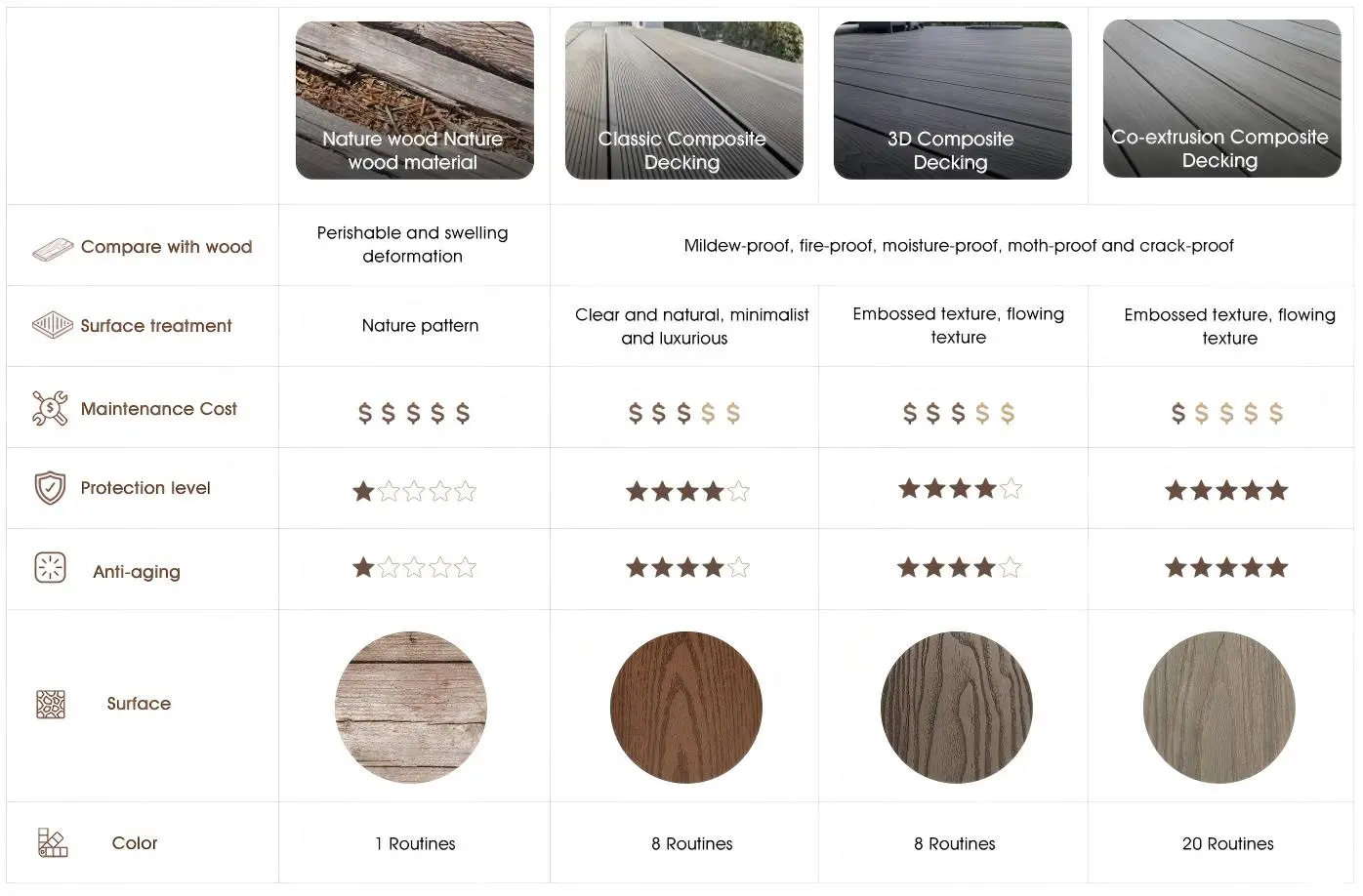
Solid wood walls are good looking, but they need to be stained or sealed every year to preserve them from rot, insects and warping. Even with proper maintenance, most wooden fences will need to be replaced within ten to fifteen years in damp places. Concrete walls are structurally sturdy, but they fracture with ground movement and discolor with weathering that is hard to remove. Metal panels are good for impact, but with repeated coating may corrode in humid or coastal environments. However, composite panels often have service life estimates of 10 to 25 years with no care other than an occasional wash since the material is engineered to resist rot, pests and moisture absorption.
Comparing Appearance and Design Flexibility
Visually, many customers still enjoy the warm, natural grain of wood, but it fades and discolors unevenly with time. Concrete may be sleek and modern, but once it's poured there isn't much variety in texture. Metal panels work well for industrial or minimalist designs, but they seldom imitate the actual feeling of wood. Composite landscape walls address this need with embossed wood grain treatments as well as modern solid colors. Designers may have the warmth of wood with the color constancy of a manufactured product. If you care about a natural appearance and consistent color retention for your projects, composite is often the practical compromise.
Comparing Environmental Impact
There are sustainability issues since the wood comes from an unmanaged forest . Concrete has a very big carbon footprint in its manufacture . Metal production is also highly energy demanding, particularly if you are coating or galvanizing it. Composite panels made from recycled HDPE and reclaimed wood fiber reduce the extraction of raw materials and many makers have FSC, ISO 14001 and REACH certifications that verify ethical sourcing and manufacturing practices. For developers, documented recycled material usually has real weight in project clearance under green building certifications or sustainability reporting criteria.SEND INQUIRY
Wholesale WPC Landscape Walls: MOQ, Bulk Pricing, Lead Times, and Supplier Reliability
Bulk purchasing also has major obstacles that single-project buyers seldom have to deal with, such as minimum order numbers, delivery problems and supplier consistency on repeat orders.
Minimum Order Quantities and Pricing Structures
For standard profiles, the minimum order from most manufacturers is around 100 square meters, and the more you buy up to container-load quantities, the greater the discounts. Prices might vary greatly depending on the thickness of the panels, the complexity of the surface treatment and if unique colors or textures are required. Special runs need changeovers on the production line not needed for standard shades. Buyers involved in multi-phase projects may often negotiate tiered pricing to get an overall rate over several shipments that protects their budget from material cost volatility throughout the long building timetable.
Lead Times and Logistics for International Buyers
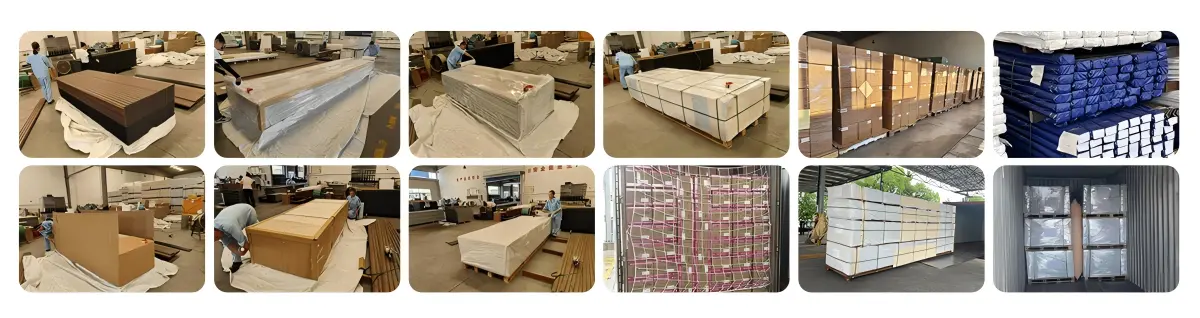
Production lead times will depend on order size and whether the order is for regular colors or unique specifications. standard orders tend to ship faster than fully tailored batches. Buyers need to include in shipping time in their project timetables well before installation requirements, since the ocean voyage from major Chinese ports like Shanghai or Ningbo to European or North American destinations adds several weeks to the production time. The panels are normally packaged in PE film and stacked on wooden pallets to preserve the surfaces of the panels during transit and to avoid claims for damage on delivery.
Evaluating Supplier Reliability and Certifications
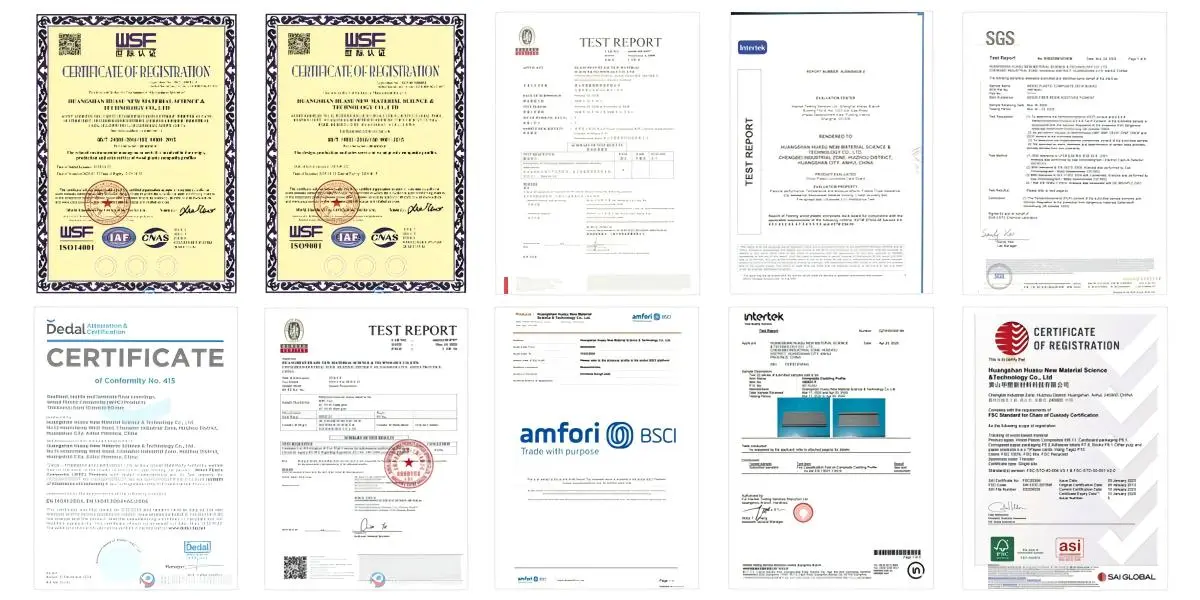
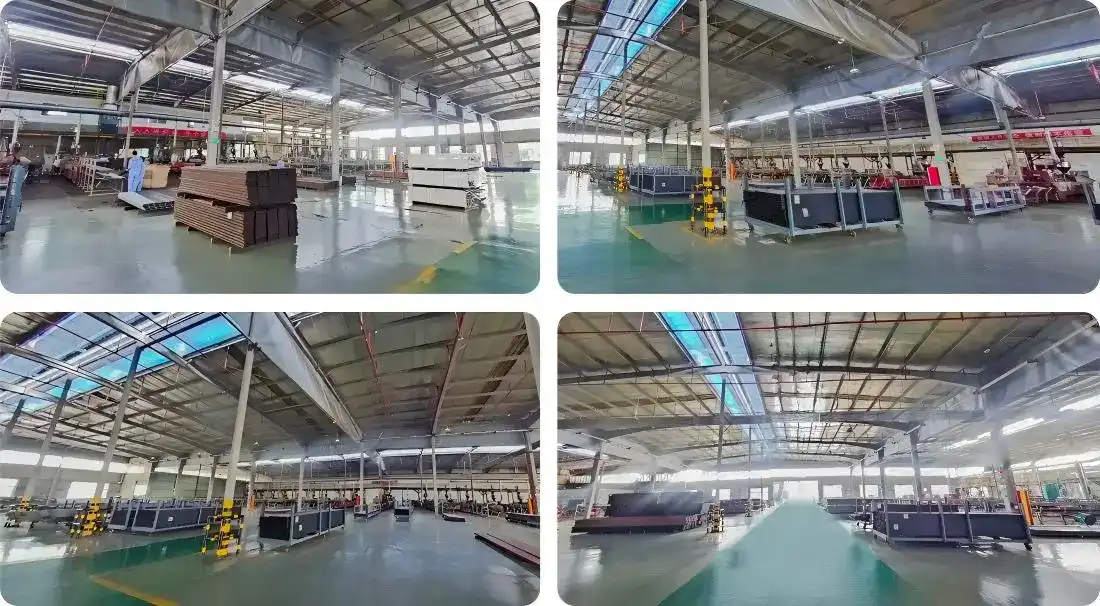
Reliable Wholesale WPC Landscape Walls providers have implemented quality control processes, frequently with a 5S on-site management system, which guaranties consistent production for large volumes. Before buying in bulk, you should seek for numerous certifications to verify, such as ISO 9001 for quality management, ISO 14001 for environmental management, CE labeling for European compliance, and ASTM testing standards for material performance. Buyers should also ask about warranty conditions because coverage lengths might differ between hollow co-extrusion, solid co-extrusion and normal solid decking profiles. Suppliers who are ready to supply test findings and sample panels before a large order frequently have greater production discipline than those who are not prepared to provide this kind of data.SEND INQUIRY
Conclusion
WPC landscape walls provide builders and developers a durable alternative to wood, concrete and metal boundary systems, providing the weather resistance and natural beauty to hold up to years of outdoor exposure. Getting the right panel thickness, profile and finish specified at the start of a project might help to avoid costly revisions later on. Teams on site are more efficient, too, since they know the modular installation processes. This goes a long way to explain why materials are compared against project budget and climatic conditions . Many teams are turning to composite solutions for long term boundary and privacy applications . For those buying in bulk, understanding minimum order quantities, lead times, and supplier certifications may help safeguard the budget and schedule for multi-phase operations.SEND INQUIRY
FAQ
Q: How long do WPC landscape walls typically last outdoors?
A: The service life of most composite wall systems is 10 to 25 years, depending on the profile type and climatic exposure. Little care is needed other than periodic cleaning.
Q: What is the minimum order quantity for bulk composite wall panels?
A: Typical minimum order sizes start at around 100 square meters, however this varies from maker to manufacturer, and is dependent on whether the order is a standard color or bespoke specification.
Q: Can these wall panels be installed in coastal or high-humidity regions?
A: Yes, the combination of HDPE and wood fiber is resistant to moisture absorption and insect damage, therefore these panels are particularly well suited to coastal regions where solid wood fence would degrade more quickly.

Partner with Everdur: Your Wholesale WPC Landscape Walls Supplier
For 16 years Everdur has been producing composite construction materials, operating more than 50 production lines that serve more than 225 customers in 60 countries. Our WPC landscape walls exceed EU CE regulations, US ASTM D7039 test standards and China GB/T 24137 standards, plus Recycled Content certification and E0 environmental standards for minimal chemical emissions. So whether your project requires conventional profiles or unique colors and textures, our staff is with you from first sample to container shipping. If you are shopping around for suppliers for your forthcoming landscaping project, we invite you to contact out to our team at violet@wpcsupplier.com to get sample materials, price sheets and certification documentation based on your order volume.
References
1. American Society for Testing and Materials. ASTM D7032 Standard Specification for Establishing Performance Ratings for Wood-Plastic Composite Deck Boards and Guardrail Systems.
2. Forest Stewardship Council. FSC Certification Requirements for Recycled and Composite Wood Products.
3. International Organization for Standardization. ISO 14001 Environmental Management Systems Requirements.
4. European Commission. CE Marking Requirements for Construction Products Regulation.
5. United States Environmental Protection Agency. Guidelines on Recycled Content in Building Materials.
6. National Institute of Building Sciences. Report on Composite Material Performance in Outdoor Construction Applications.
Send Inquiry
Related Industry Knowledge
- Traditional Cladding Installation: Guide for Classic Building Styles
- Wholesale 3D Composite Decking: Custom Patterns & Low MOQ
- Wood Grain Balcony WPC Decking: Elevate Your Balcony’s Aesthetics
- Is WPC composite fencing stronger than wood?
- Anti-Slip Traditional WPC Decking: Safe for Families & Pets
- Hollow WPC Decking Installation Cost: How to Save Big in 2026
- WPC Decking vs Wood Decking: Which Is More Durable and Cost-Effective?
- Traditional Cladding for Residential Buildings: Classic & Reliable
- Waterproof WPC Cladding: Perfect for Coastal and Rainy Areas
- Top Hollow WPC Decking Designs for Modern Gardens