
Wood Grain WPC Decking: The Perfect Replica of Real Wood Flooring
2026-11-09 15:49:28
If you've ever loved the appearance of a timber deck but worried about the expense of care, wood grain WPC decking might be just what you're looking for. This composite material is made from wood fibre and recycled HDPE plastic to generate outdoor boards that have the visual warmth of genuine timber, but none of the susceptibility to dampness, insects or seasonal cracking. The outcome is an outdoor surface that looks like real wood to the eye but performs far better in actual life weather conditions. Whether you're creating a villa garden in southern France, a rooftop terrace in California or a poolside patio in Scandinavia, wood-like composite decking planks provide a practical way to get the style you desire. Over the last ten years, manufacturing precision has progressed dramatically and today's co-extrusion profiles can imitate the depth, variety and texture of real wood species with incredible accuracy. This article explains how that reproduction is done, what surface possibilities exist, what colour families are accessible, how the underfoot feel compares to solid wood and how to use these boards in a variety of outdoor design schemes.SEND INQUIRY
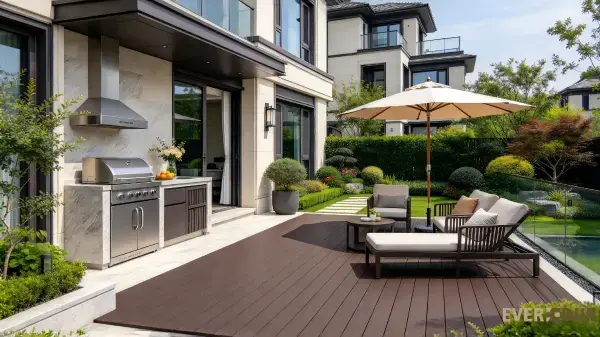
How Does Wood Grain WPC Decking Recreate the Look of Real Wood?
The short answer is that the image is not caused by paint or a printed film, but by a controlled production process. During co-extrusion production, heat and pressure are used to bond a protective outer shell to the composite core. At this point, embossing rollers or brushing tools are used to press the grain patterns into the surface material. This makes channels, ridges, and small differences that look like the cellular structure you can see in sawn wood.
The level of detail on the surface is what makes second-generation co-extrusion work so well. In the past, composite boards were made using a single-layer molding method. This meant that the grain patterns were not very deep and were likely to fade as the top layer was worn away. The shell material in co-extrusion is a separate polymer compound mixed with UV stabilizers and pigments. This means that the board's grain depth and color saturation don't change over time, even at the surface.
The beauty of natural wood comes in part from the fact that no two planks are exactly the same. This is because growth rings, knots, and mineral streaks are all different from one tree to the next. This is taken into account by good composite manufacturing, which changes the grain pattern on different boards in the same production batch. When you put several boards next to each other, the small changes in tone and pattern direction make the kind of casual visual beat you'd expect from a real wood deck. When this method is combined with a variety of natural colorways, it creates an outdoor floor that meets the needs of builders, contractors, and homes in both European and North American markets.SEND INQUIRY
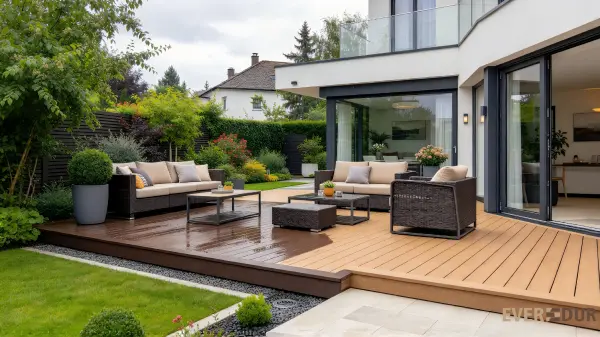
Wood Grain WPC Decking Textures for a More Authentic Timber Appearance
The surface grain of a composite board may be the most important thing that determines how well it looks like wood. There are four main ways to finish wood pattern WPC deck profiles: brushing, sanding, stamping, and deep wood grain pressing.
When a board is extruded, a repeating pattern is pressed into it. This gives the plank a raised texture that is the same all over. This is good for residential and commercial areas with a lot of foot traffic because the pattern is even, easy to clean, and gives a reliable non-slip grip even when wet. This is especially helpful around pools and in places where it rains a lot.
For brushed finishing, the board is worn down mechanically along its length, which pulls out the softer grain lines and raises the harder ridges just a bit. The look is similar to wire-brushed hardwood, and it has a matte, rough feel that looks great in natural light. For house patios and yard areas, many European designers like brushed profiles because the finish looks less man-made and more natural.
Deep wood grain textures go a step further by using master molds made from scans of real wood to press grain impressions that show detail down to the pore level. People often choose these designs for high-end home projects where people will be able to see and touch the deck up close. Sanded finishes, on the other hand, make a smoother surface that is better for places where people don't want to wear shoes, like around pools or under covered outdoor eating areas that need to look nice.SEND INQUIRY

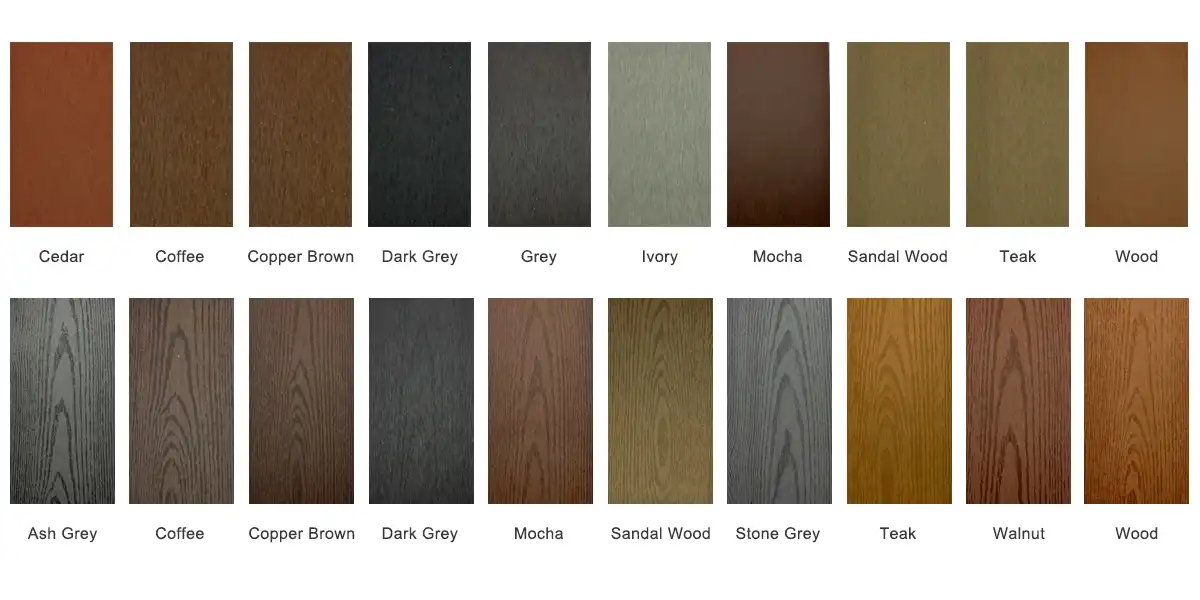
Wood Grain WPC Decking Colors Inspired by Natural Wood Species
Warm Tones: Teak, Cedar, and Sandal Wood
The colors of warm-toned composite boards come from tropical and domestic hardwoods that have been used for outdoor building for a long time. The golden-amber base and fine, straight grain of old teak wood are reflected in teak colors. Teak is still one of the most popular materials for outdoor design in Europe and North America. Cedar profiles tend to be a mid-toned reddish brown that goes well with stone cladding or white render. This is why they are a popular choice for the outside of private gardens and villas. Options for sandal wood are in the middle. They come in a soft yellow color that looks natural and simple in a lot of different building settings.
Neutral Tones: Grey, Stone Grey, and Ash Grey
As minimalist outdoor design has become more popular in both home and business projects, grey-family composites have become steadily more popular. Ash Gray looks like silver-gray driftwood or old oak that has been weathered. It gives rooftop patios and urban platforms a calm, modern look. Stone Gray is a slightly warmer color that looks like the pale gray of limestone or wood that has been washed with concrete. It goes well with metal-framed furniture and polished concrete floors. In terms of design, these neutral profiles age well because they don't clash with plants, buildings, or furniture, and they look classy in photos.
Dark Tones: Walnut, Coffee, and Dark Grey
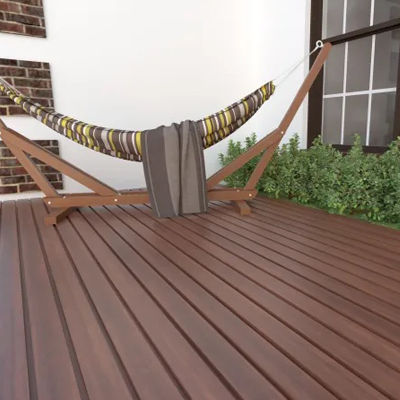
Outside, darker composite colors give the room more weight and character. Profiles of walnuts look like the deep chocolate brown of American black walnut. The color doesn't look flat because the tones change across the grain. The coffee and mocha options are a little warmer and earthier takes on the dark-timber color scheme. These are often preferred in gardens where the deck needs to visually anchor a planting scheme. Dark Gray is on the cooler end of this range. It has a profile that is very close to charcoal and looks great in modern architecture where strong color contrast is part of the style.SEND INQUIRY

How Does Wood Grain WPC Decking Feel Compared With Traditional Wood?
Underfoot Comfort and Temperature
Many people think of quality when they feel the warmth and hardness of solid wooden decking. This density is pretty close to what composite boards have because the wood fiber content—usually between 50 and 60 percent by weight—gives each plank real mass. Even though hollow-profile materials are a little lighter, the surface still feels solid instead of hollow, which is important for both comfort and how the sound of walking across the deck sounds.
When it comes to thermal absorption, composite and wood behave in different ways. Dark-colored wood decks that are in full sunlight can get too hot to stand, and composite boards can do the same to a certain extent. Co-extrusion technology does help; the shell layer can be made with heat-reflective materials that keep the surface from getting too hot. In warm places, composite boards tend to lose heat faster when the sun goes down, which is a practical benefit.
Surface Grip and Slip Resistance
When they get wet, traditional wood decks are dangerous, especially as they age and the grain surface smooths out. This is a known safety issue in gardens, around pools, and on terraces where morning dew can hit them. Wood grain WPC boards with textured or embossed surfaces keep their grip even when they're wet, because the roughness is built into the board and not just a layer that wears off. Because of this, they are a safer choice over the life of the system.
Dimensional Stability Across Seasons
Changes in moisture and temperature cause wood to expand and contract a lot. This causes gaps, cups, and surface movement over time, especially in places where the seasons change a lot. Because HDPE slows down the absorption of water, composite decking can handle changes in size more predictably. Boards made with co-extrusion technology don't expand or contract much when exposed to the temperature ranges that are common for outdoor use in Europe and North America. This makes installation planning easier and lowers the chance that structural problems will arise over time.SEND INQUIRY
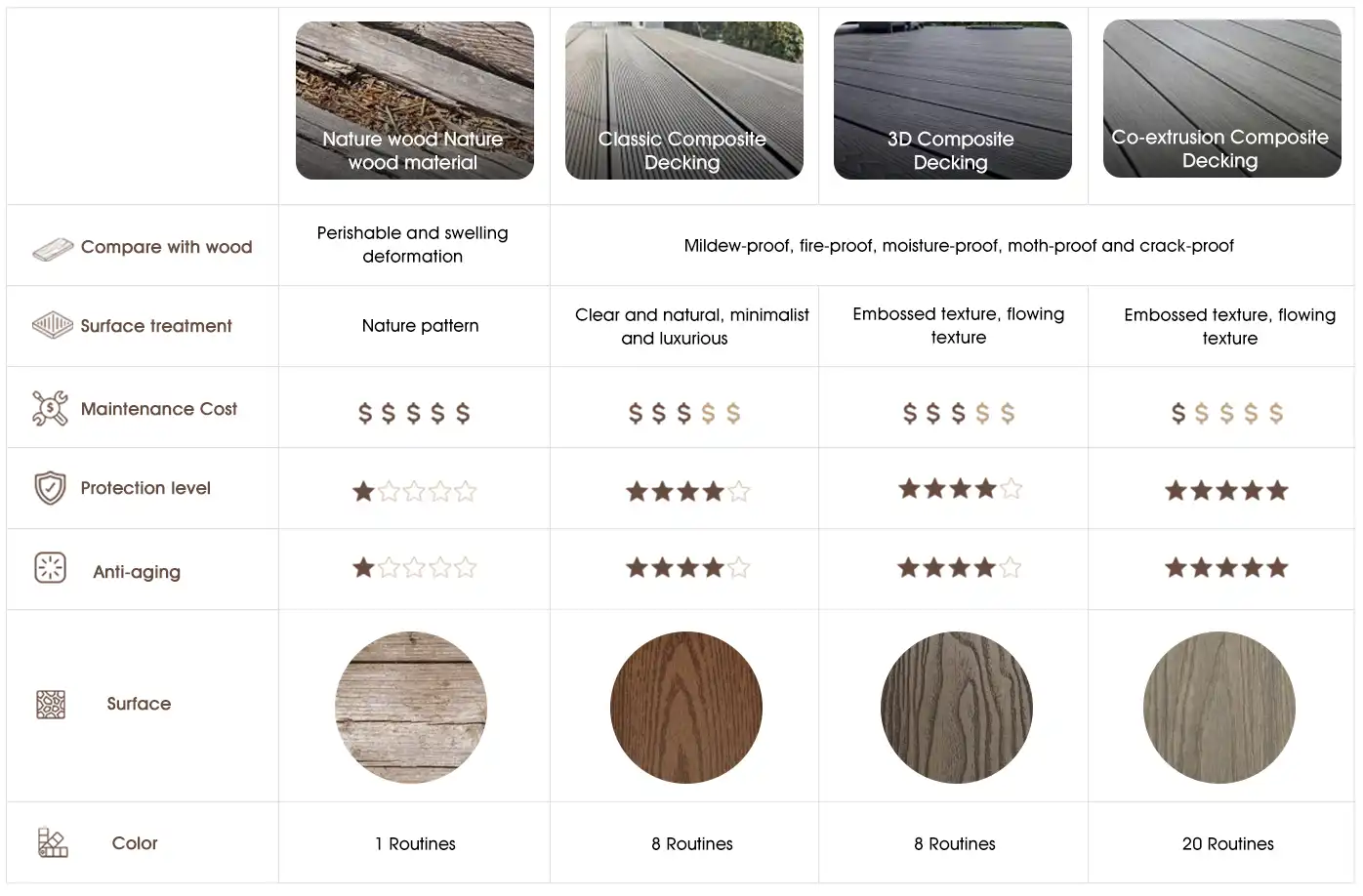
Wood Grain WPC Decking Design Ideas for Natural Outdoor Spaces
Garden Terraces and Private Courtyards
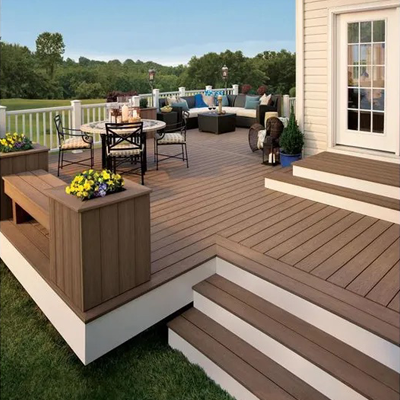
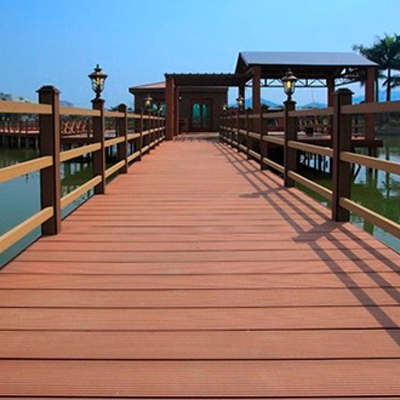
There is a natural way to use timber-look composite decking in a yard terrace because the material blends in with the plants and buildings. Putting warm-toned profiles like Cedar or Teak down in a straight line from an inside floor level outward creates a sense of consistency in space. By switching between board sizes (a 150mm profile and a 135mm board), you can create the natural visual difference that you see in real wood floors. Adding a matching-colored composite fascia board around the edges of the terrace makes the installation look more like a permanent surface than like something that was just put there for a short time.
Pool Surrounds and Outdoor Wet Areas
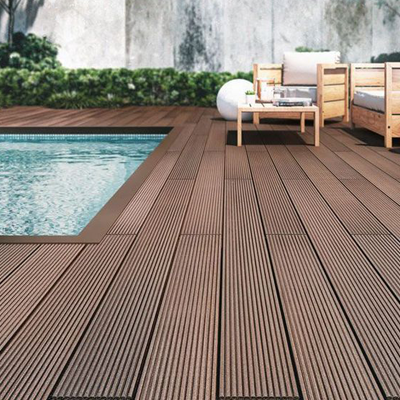
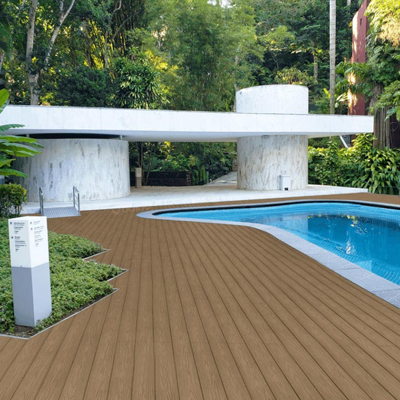
For pool borders, you need materials that can handle steady wetness, UV light, and people walking on them barefoot all at the same time. In these conditions, brushed or lightly raised composite decking works well because it keeps its grip without having a rough surface that would be painful to walk on. Profiles in the Ash Gray or Stone Gray color family work best around pools because they don't show water marks as clearly as darker tones and stay cooler in full sunlight. Putting boards down perpendicular to the edge of the pool makes a path that leads the eye to the water and is a classic choice for residential landscape design.
Rooftop Decks and Elevated Terraces
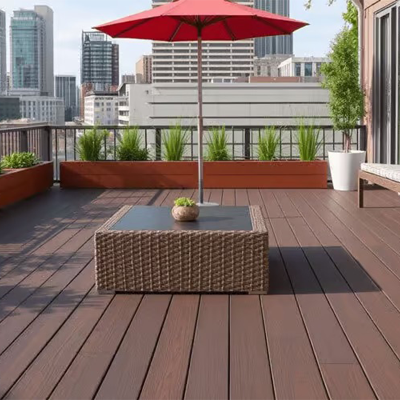
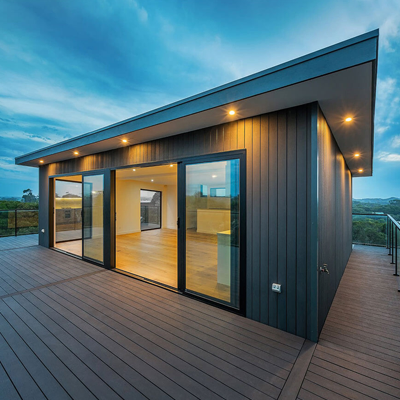
For installations on roofs, you need materials that are light, stable in size, and really resistant to the weather. The weight requirement is met by hollow-profile composite boards, which also give the surface the look of density of wood. On rooftop decks, a darker color like Walnut or Dark Gray looks more deliberate against a sky background. It also goes well with the metal rails and urban plants that are usually found there. Drainage is an important practical factor. Boards stacked with a consistent small gap between them let water drain quickly, and the composite surface won't break down from standing water over time like raw wood would.SEND INQUIRY
Conclusion
Composite decking that looks like wood has come a long way as a product category. What used to mean a surface that looked like wood from a distance now means boards that accurately copy the depth of the grain, the variations in color, and the way the wood feels. Composite timber-look profiles give outdoor spaces in Europe and North America a realistic look and useful benefits that natural wood can't match over time with wood grain WPC decking. These benefits can be seen in gardens, patios, rooftops, and business spaces. These boards are more than just convenient because they don't need as much maintenance, don't change size or shape when exposed to moisture or insects, and last for decades instead of years.SEND INQUIRY
FAQ
Q: Can wood grain WPC decking only be used outside, or can it also be put in places inside?
A:As for your question, WPC composite decking is made to be used outside. Its formula, which includes HDPE that doesn't absorb water, UV stabilizers, and structural shapes made for placement in the open, makes it work best in outdoor settings. It is not suggested for use as flooring inside.
Q:How long does it take for composite boards to look like they have wood grain?
A: With co-extrusion technology, the color and pattern of the board's surface are built into the shell itself, not just on top of it. When quality profiles are exposed to UV light for more than 2,000 hours, they don't fade much, and the grain pattern stays the same for the board's service life, which can be anywhere from 10 to 25 years depending on the type of product and how it was installed.
Q:Can I cut and put together composite decking boards the same way I would wood planks?
A: Any circle saw, jigsaw, or drill that you would normally use for woodworking will work well with composite decks. A hidden clip method is usually used to attach boards to joists. This leaves a clean surface with no obvious fixings. Most manufacturers include technical installation guides, and the profiles are made to fit standard joist spacings used in building wood decks.
Ready to Specify Your Outdoor Deck? Talk to Everdur's Team
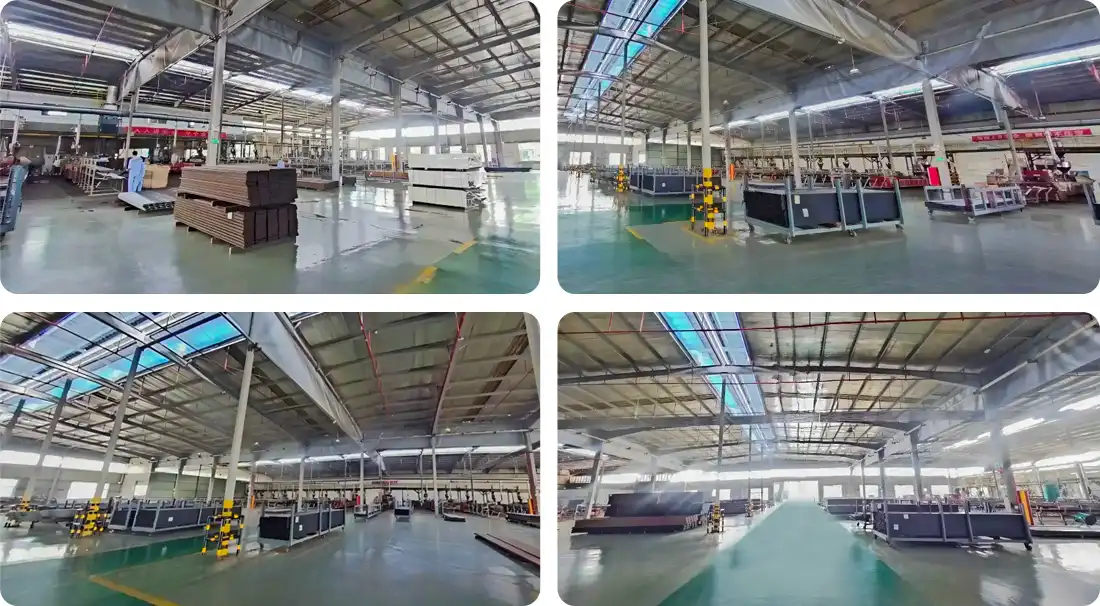
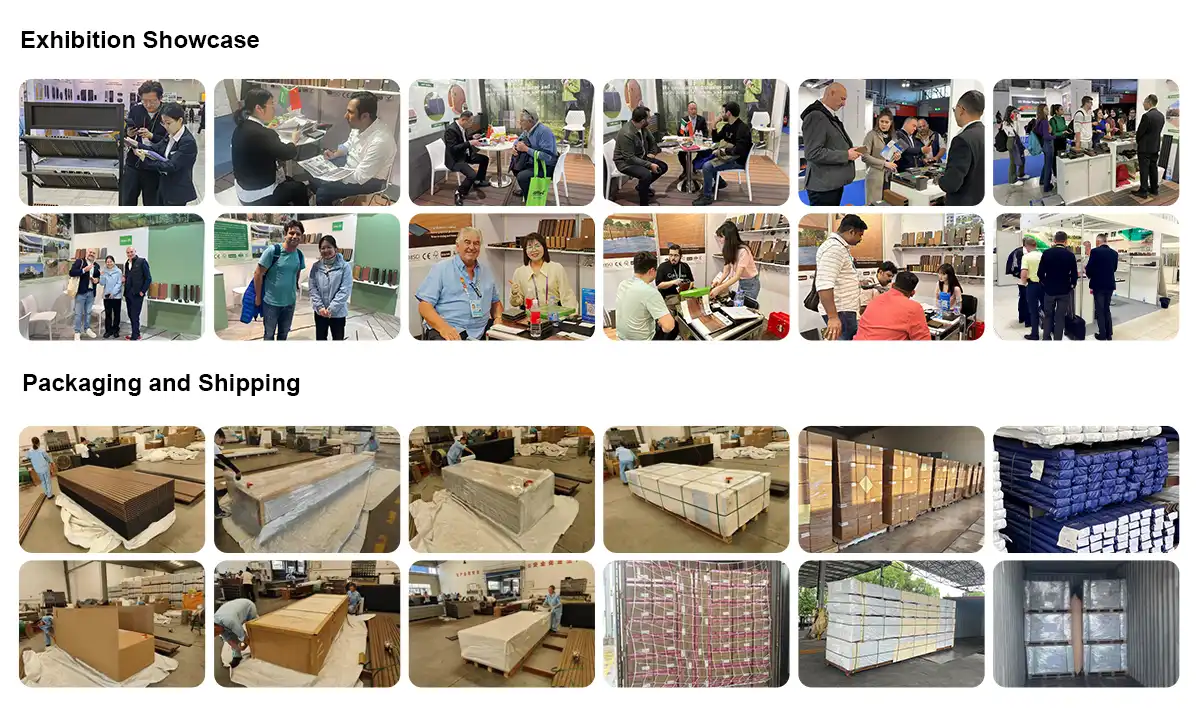
For building companies and workers, Everdur provides project-based technical support, regular lead times from more than 50 specialized production lines, and compliance paperwork that has been checked. Our supply chain as a wood grain WPC decking manufacturer can handle big orders and keep schedules stable.
For people who buy and sell building materials in bulk: competitive wholesale prices, a flexible minimum order quantity (MOQ) starting at 100 SQM, and access to the full range of colors and profiles, including custom color matching and surface texture choices that aren't shown in regular catalogs. If you ask, you can get free samples.
For end users and homeowners: Everdur's engineering team can help you plan the layout, choose colors, and install the products in a way that works best for your outdoor area. You don't have to go through a broker to get help from the maker.
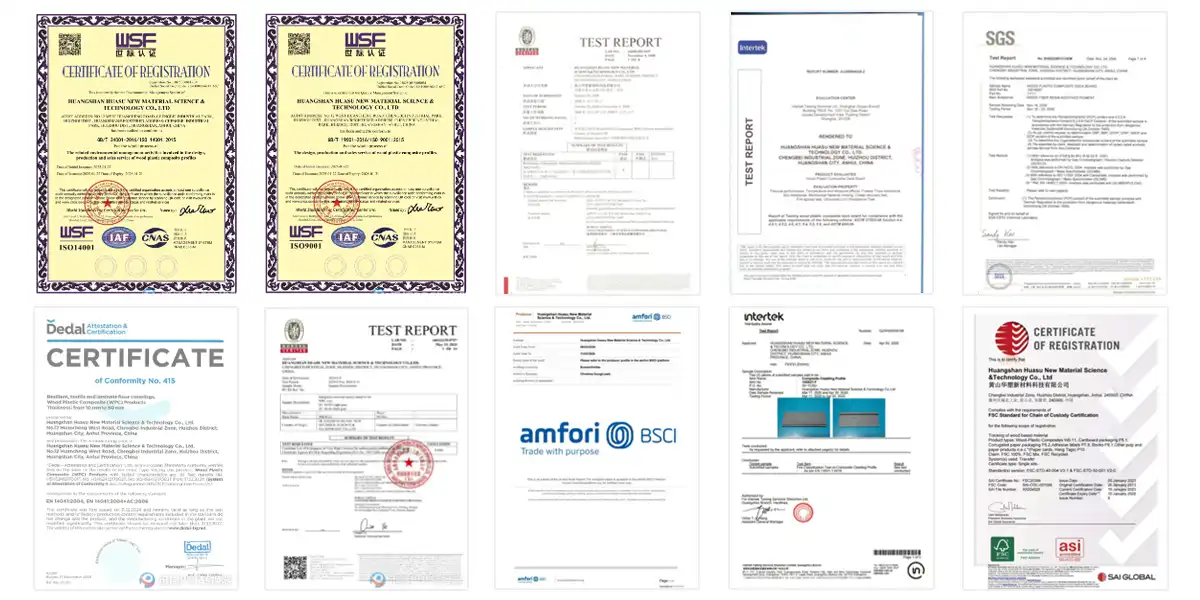
All Everdur wood pattern WPC deck products comply with EU CE certification, US ASTM D7039, and China GB/T 24137 standards. We are environmentally friendly because we have ISO 14001 environmental management certification, FSC chain-of-custody, REACH and RoHS compliance, and recycled HDPE material that meets E0 environmental standards.SEND INQUIRY
Please get in touch with our team at violet@wpcsupplier.com to talk about your project.
References
1. Clemons, C. M. (2002). Wood-plastic composites in the United States: The interfacing of two industries. Forest Products Journal, 52(6), 10–18.
2. European Committee for Standardization. (2012). EN 15534: Composites made from cellulose-based materials and thermoplastics (usually called wood-polymer composites (WPC) or natural fibre composites (NFC)). CEN.
3. Stark, N. M., & Matuana, L. M. (2007). Characterization of weathered wood-plastic composite surfaces using FTIR spectroscopy, contact angle, and XPS. Polymer Degradation and Stability, 92(10), 1883–1890.
4. American Society for Testing and Materials. (2011). ASTM D7032: Standard Specification for Establishing Performance Ratings for Wood-Plastic Composite Deck Boards and Guardrail Systems. ASTM International.
5. Morrell, J. J., & Stark, N. M. (2006). Wood-plastic composite decking: Performance under outdoor exposure. Proceedings of the Society of Wood Science and Technology Annual Meeting, Portland, OR.
6. Forest Stewardship Council. (2015). FSC Chain of Custody Standard: FSC-STD-40-004. FSC International Center.
7. Klyosov, A. A. (2007). Wood-Plastic Composites. John Wiley & Sons.
Send Inquiry
Related Industry Knowledge
- Wholesale Custom WPC Decking: Bulk Custom Supply for Projects
- Is hollow composite decking waterproof?
- Anti-Slip Landscape WPC Decking: Safe for Public Landscape Areas
- Weather Resistant Brushed WPC Decking: Perfect for All Climates
- Traditional WPC Decking Maintenance: Easy Tips to Extend Its Life
- How to Choose Exterior WPC Cladding for Your Building
- Exterior WPC Cladding for Commercial Buildings: Bulk Discounts Available
- Top Traditional WPC Decking Manufacturers for Quality Products
- WPC Composite Fencing Installation: Easy Guide for Beginners
- Composite Screen Fencing: Privacy & Decorative Screen for 2026