
Wood Plastic Composite Fence Panels Installation: Step-by-Step Guide
2026-11-03 18:24:23
Installing wood plastic composite fence panels is an easy undertaking that most homeowners, contractors and landscaping workers can perform in a weekend. The procedure is normally just a matter of mapping out the post positions, placing the posts in concrete or metal brackets, fixing horizontal rails or frames and then sliding or fastening the panels into place. Composite panels do not need to be sanded, stained or sealed before or after installation as conventional wood fence does, which drastically cuts down the entire timeframe. Because of its resistance to moisture absorption, the panels may be put in somewhat wet situations without the swelling problems that are associated with solid wood. The distance between posts varies from 1.8 to 2.9 meters depending on the length of the panels. Use a string line or laser level to keep them straight and avoid drooping over time. This book leads you through every step of the installation process, describes the differences between post and frame systems, contrasts horizontal and vertical layouts, and includes maintenance advice to keep panels looking fresh for years. Whether you're fencing in an urban backyard or a commercial property border, knowing these basics will make the job run smoothly from the first post hole to the last panel.SEND INQUIRY
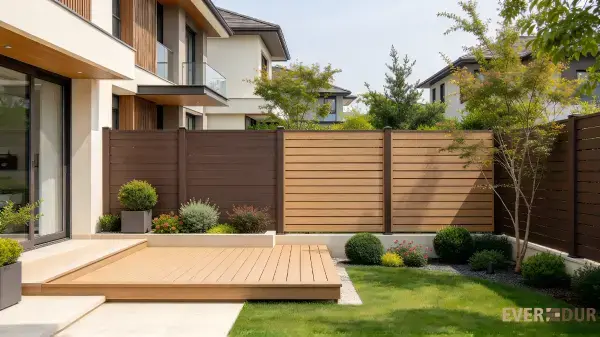
How to Install Wood Plastic Composite Fence Panels Outdoors?
Outdoor installation starts with the layout of the fence line and the examination of local property borders or permission requirements. Mark post places, stake and thread them, spaced evenly depending on how long your panel is. The depth of the holes is around 60 to 80 cm (24 to 31 in) , however this varies with soil type and also with the amount of frost in the location . In colder regions of Europe and North America the footings need to be deeper to prevent frost from heaving the posts .
For a detachable system, use adjustable metal post bases or place posts in quick-setting concrete. Check posts for plumb with a level before the concrete sets and temporarily reinforce them with wooden pegs so they do not move. Allow at least 24 to 48 hours for the posts to cure before applying any weight on them.
Once the poles are in place, add the top and bottom rails that will hold the panels. The composite boards or fluted panels are slipped into these rails, which provide the framework. Many installers use a rubber mallet to softly hammer panels into the channel grooves to prevent scratching the surface finish. A little expansion space (usually 3 – 5 mm) should be left between the ends of the panels and the margins of the posts to allow for minimal thermal movement.
Finish the installation by installing post caps for a clean appearance and ensure that gates or access points move easily. The composite material will stand up to rain, humidity and temperature changes without breaking, so there's no need to expedite the job around seasonal weather windows. A proper planning and correct measurements can minimize irregular gaps and maintain the whole fence line appearing neat from all sides.
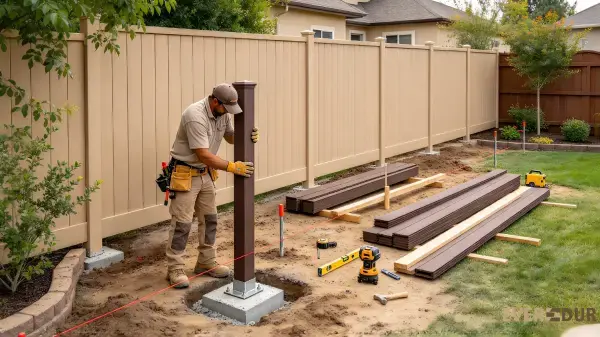
Posts and Frames for Wood Plastic Composite Fence Panels
The correct post and frame system is just as important as the wpc fluted fence panels themselves. Aluminium posts are lightweight, corrosion resistant, and are a good choice for the home gardener who cares about appearance and ease of handling. Steel posts , however , are more load-bearing and are commonly used for higher fences , windy regions or commercial boundary installations where structural strength is more important than looks .
Composite poles manufactured from the same recycled HDPE and wood fibre mix as the panels are also available for a consistent appearance across the whole structure. The posts are a perfect match for wood plastic composite fence panels since they have the same rate of expansion, which reduces the stress on the joints in the long-term.
Frame design often comes in two varieties. U-channel systems, in which panels slide onto grooved rails in a vertical orientation, and clip-based systems, in which individual boards are affixed with brackets. U-channel frames are great for solid privacy panels; clip systems are more flexible for slatted or fluted designs, when ventilation between boards is desired.
When choosing your post spacing, always consider the width of the panel and the amount of overlap you want. Wider panels (150 to 220mm) often need stronger supports and deeper posts to support wind stress, particularly for tall privacy screens. For bigger constructions, builders should also be aware of the soil drainage around the post bases. The panels are moisture resistant, but standing water near footings may impact long-term stability.SEND INQUIRY
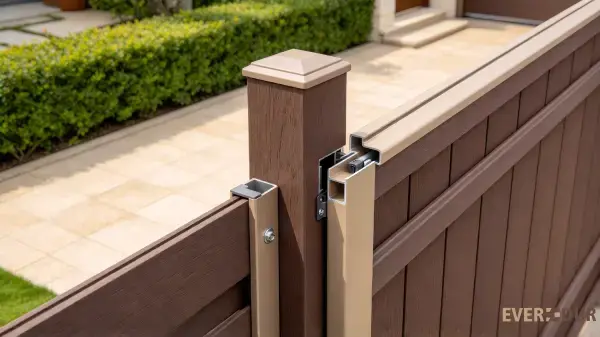
How to Attach Wood Plastic Composite Fence Panels to Posts?
The attachment modes are highly dependent on the frame system selected during the planning stage. The panels are placed into pre-formed slots running vertically along the length of each post and are attached at the top and bottom with screws or locking clips. This technique covers fasteners almost completely and produces a cleaner completed look that many homeowners and designers appreciate.
For surface mounted applications, brackets or L-shaped clips are attached directly to the face of the post and the panels butt up to these brackets and are secured with stainless steel screws. In humid or coastal areas, we suggest stainless or coated fasteners since conventional screws may corrode and discolour the composite surface over time.
Some contractors utilize a combined technique, utilizing a bottom rail to support the weight of the panels, then top clips to keep the panels in place without additional strain. This also decreases the load on the material when temperature changes and prevents warping at the fastening points .
Spacing jigs come in handy when dealing with fluted or slatted designs to ensure uniform spacing between boards. This is important for aesthetics as well as for optimal ventilation in windy areas. When screwing straight into composite material always pre-drill pilot holes to minimize breaking along the edges, particularly in colder weather when the material is a little less flexible. Don't rush this stage; a panel that is correctly secured will sustain wind load far better than one that is carelessly fixed.
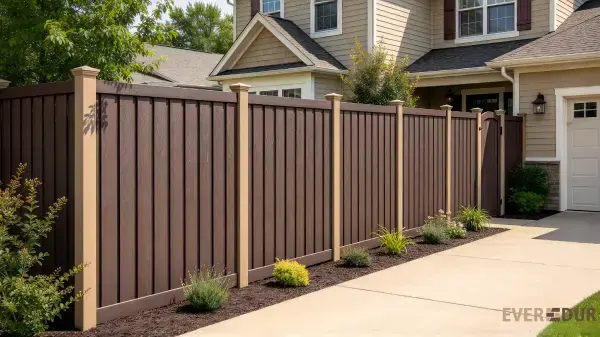
Horizontal vs. Vertical Wood Plastic Composite Fence Panels
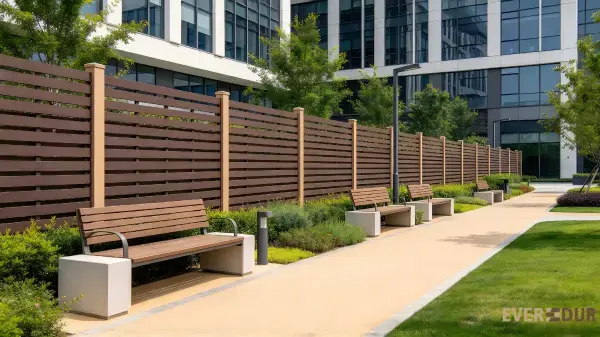
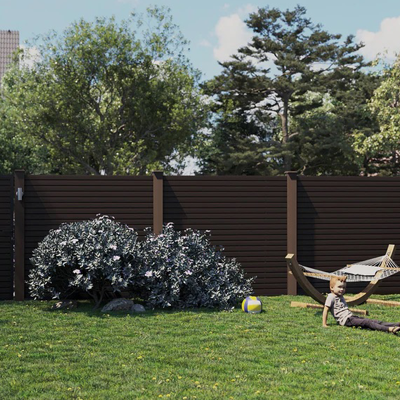
Sometimes it is a matter of stylistic taste whether to choose a horizontal or vertical orientation, but there are also certain practical concerns to keep in mind. Horizontal patterns are popular in modern home designs, villa gardens and contemporary landscaping projects and are known to make small fences look broader. The linear forms are in keeping with minimalist design and are ideal for vast composite decking surfaces.
For higher privacy fences and classic style homes, vertical panels are often more appropriate. This orientation may make a fence look higher than it really is, which is beneficial for houses that require more screening from neighbours or busy streets. Also, vertical installations tend to discharge rainfall more effectively along the panel face, lessening the opportunity for water to collect at horizontal seams.
The fluted pattern of the wpc fence panels is especially effective in a vertical configuration, creating depth and shadow lines that catch the light differently throughout the day. Horizontal slat designs are often used for commercial applications like public parks or recreational facilities because they offer partial vision for safety monitoring while still creating a defined boundary.
The structural requirements are somewhat different depending on the direction. Horizontal panels usually need tighter post spacing to avoid drooping on longer spans. Vertically oriented panels tend to transfer weight more directly to the bottom rail. There's no one type that's better than another, but when the orientation is matched to your individual project requirements (privacy, airflow, architectural style) the difference in the completed product is significant.SEND INQUIRY
How to Maintain Wood Plastic Composite Fence Panels After Installation?
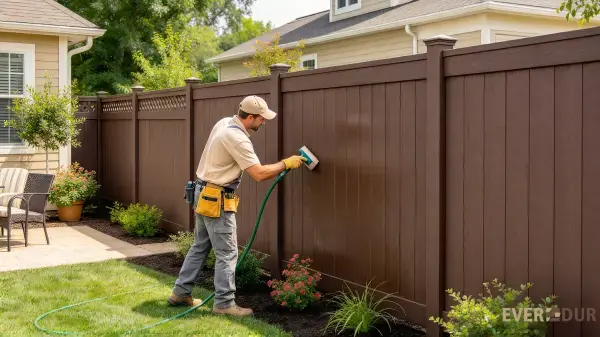
Another big advantage of wood plastic composite fence panels is the little upkeep it required relative to traditional wood. Regular maintenance normally consists of washing the panels with a garden hose a few times a year to remove dust, pollen or light dirt build-up. A mild washing solution and delicate brush will usually restore surface shine to its former appearance for more tenacious stains without damage.
When using pressure washers at high intensity, be cautious and do not aim it straight at panel seams. Sometimes the powerful streams of water can instead work the rubbish free in the grooved sections. A moderate setting at a decent distance works just as well.
Check the fasteners and brackets once or twice a year, particularly after a hard winter or a stormy season, to verify that nothing has fallen loose. The material itself won't break or split but metal portions occasionally do shift when the soil moves naturally around post footings.
It does not need to be stained, sealed or painted every year like wood does. Additives such as UV stabilizers are used throughout the manufacturing process to assist in colour retention however really dark hues may fade considerably faster than lighter colours with prolonged direct sun exposure. Wood plastic composite facades and fences are often used together in residential properties to create a consistent overall appearance, so coordinating the surfaces can help maintain visual coherence.
If you have trees or other plants near enough to touch panels, prune them. Moisture that builds up between the leaves and composite surfaces may occasionally lead to mould growth in dark, poorly ventilated areas. A little seasonal upkeep keeps the fence up to the task for its service life.
Conclusion
Installing wood plastic composite fence panels doesn't need costly equipment or advanced carpentry skills, just clever design and an eye for spacing, fastening and post selection. Every decision you make, from the aluminium or steel posts to the horizontal or vertical design, will effect how your completed fence looks and operates for years to come. Composite panels are the best option for residential gardens, borders to villas and commercial landscaping projects, replacing traditional wood fence and needing less maintenance, being resistant to moisture, pests and temperature variations.SEND INQUIRY
FAQ
Q: Can wood plastic composite fence panels be installed on uneven ground?
A: Yes, however the posts may need to be different heights or have stepped portions in the panels to follow variations in the slope while maintaining the top line level and visually balanced.
Q: How long does composite fence panel installation typically take?
A: Average length residential fences may normally be built by a small team in one to two days, depending on post drying time and ground conditions.
Q: Do these panels require special tools for cutting or drilling?
A: Basic woodworking equipment will do, including a circular saw with a fine-tooth blade and a normal drill, although it's best to pre-drill pilot holes at the panel borders.

Get in Touch With Everdur Today
For construction contractors, we provide bulk order pricing and technical drawing support. For fence contractors, we provide reliable lead times and consistent batch quality. For resellers and construction materials wholesalers, we offer exclusive wholesale pricing plus free samples for evaluation. For end customers, we provide complimentary design tips and installation guidance for your project. Everdur is a wood plastic composite fence panels manufacturer with more than 10 years of manufacturing experience, providing wood plastic composite fence panels in compliance with the EU CE marking, US ASTM D7039 testing standard and China GB/T 24137 specification. Our products are also certified with Recycled Content, and fulfill E0 environmental criteria for reduced formaldehyde emission. For samples, price sheets or technical papers for your next fence project, email our staff at violet@wpcsupplier.com.

References
1. American Society for Testing and Materials. ASTM D7032 - Standard Specification for Establishing Performance Ratings for Wood-Plastic Composite Deck Boards and Guardrail Systems.
2. American Society for Testing and Materials. ASTM D7039 - Standard Test Method for Short-Term Flexural Properties of Composite Lumber and Wood-Plastic Composite Lumber.
3. European Committee for Standardization. EN 15534 - Composites made from cellulose-based materials and thermoplastics.
4. Standardization Administration of China. GB/T 24137 - Wood Plastic Composite Decking.
5. International Organization for Standardization. ISO 9001 - Quality Management Systems Requirements.
6. European Union. Directive 2011/65/EU on the Restriction of Hazardous Substances in Electrical and Electronic Equipment, referenced for RoHS compliance in composite building materials.
Send Inquiry
Related Industry Knowledge
- Co-extruded vs regular WPC decking: what's the difference?
- Wholesale Eco-Friendly WPC Decking: Green Supply & Factory Prices
- Can hollow WPC decking be used for balconies?
- 2026 Guide to Commercial WPC Decking: Hotels, Malls & Public Areas
- How to Choose the Right Residential WPC Decking for Your Budget
- Eco-Friendly 3D Composite Decking: Sustainable & Aesthetically Pleasing
- Wood Grain Grooved WPC Decking: Stylish & Functional Outdoor Flooring
- Best WPC Cladding Designs for Villa and Luxury Residential Projects
- Waterproof WPC Cladding: Perfect for Coastal and Rainy Areas
- Top Hollow WPC Decking Designs for Modern Gardens