
Garden WPC Decking Installation: Create a Beautiful Garden Patio
2026-11-02 18:27:26
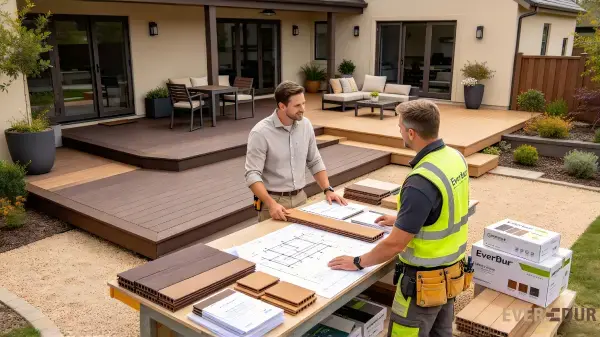
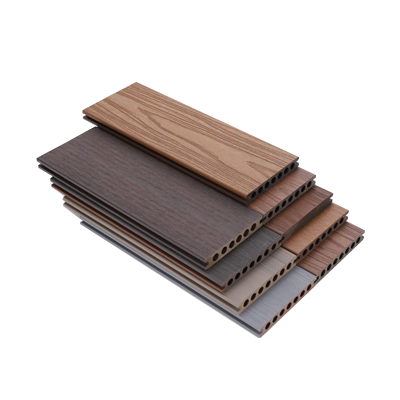
Create a good looking patio that will stand up to rain, frost and summer heat by using the suitable materials and installing properly. Garden WPC decking is made from a mix of wood fibres and recycled HDPE. This allows outdoor areas to have the warmth of timber without the ongoing maintenance of genuine wood. Proper installation of this material includes establishing a level foundation, spacing joists at the correct intervals and providing uniform gaps between boards for drainage and seasonal expansion. A composite patio may keep stable and excellent looking for well over a decade with concealed clips and a little modest seasonal cleaning.
This guide leads you through the installation procedure step-by-step, from ground prep to continuing maintenance, so you, the homeowner, landscaper or construction material supplier may plan a project with confidence. Whether you're working on a backyard deck replacement or finding a garden decking board for a bigger construction project, knowing these installation essentials can help you avoid expensive errors and ensure the final patio continues to operate as it should for years to come.SEND INQUIRY
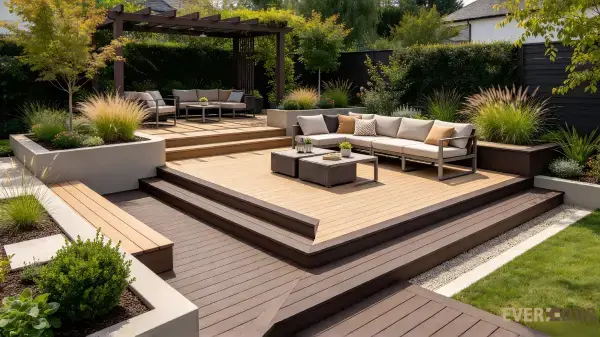
How to Install Garden WPC Decking on an Outdoor Patio?
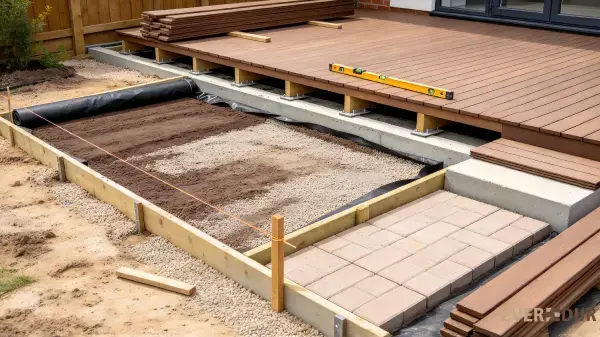
Patio deck construction begins well before the planks arrive. Rake the ground clean of grass, roots and garbage and level with a gentle fall away from the house so that rain water will drain away efficiently and not collect beneath the structure. Underneath the deck, a layer of gravel or crushed stone is often laid and compacted for drainage and weed prevention. This layer should be around 50mm deep.
After the base has established, you may put down a weed barrier that will keep plants from pushing through over time. The joists are placed on concrete footings or pavers at controlled intervals to keep the whole structure off of damp soil. This is especially true for composite material, where moisture trapped under the boards may shorten the lifespan of even weather-resistant compositions.
Once the framework is level and squared up using a spirit level and string lines, the decking boards are fastened on top, usually from one end of the patio to the other. The end boards are usually let to protrude a little beyond the joist frame, then are trimmed flat for a nice finish. It checks the layout before cutting any boards around walls, stairs or plants, saving material and avoiding uncomfortable gaps. The time you spend on this early groundwork will make the rest of the project go a lot easier.
Joist and Clip Installation for Garden WPC Decking
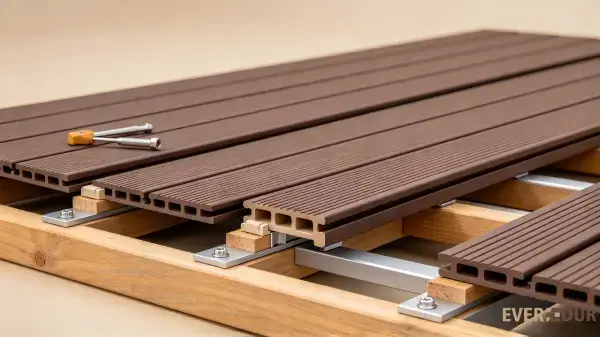
The majority of composite decks use a joist and clip system instead of visible screws for a cleaner look and metal fasteners that may corrode after years of exposure to the environment. Joists are commonly made of treated timber or aluminium and are equally spaced, usually between 300mm and 400mm depending on the thickness of the boards and the anticipated foot traffic. The wider the spacing, the more a garden decking board may flex, or bounce slightly underfoot, so it's more crucial than it may seem to stick to the spacing provided by the manufacturer.
Each board is grooved on the edge and clips snap or screw to the edge, securing the board to the joist below but leaving a little, continuous distance to the next board. This hidden attachment method also permits a little expansion and contraction of the boards with temperature variations without pulling apart or buckling. Starter clips hold the first row on the patio edge and regular clips secure each board as you go.
Before you bond anything down, it's a good idea to lay out a dry run of a few boards to evaluate spacing and alignment against the corners or walls of the patio. Instead of checking for squareness at the beginning, check for squareness every few rows. Little errors might turn into a bigger patio area if you don't catch them. To allow for air to flow and avoid build up of moisture against brickwork or render, fitters normally leave a small gap between decking and any adjacent wall. The whole system is stable against seasonal temperature changes when the joists are correctly spaced and clipped.SEND INQUIRY
Garden WPC Decking Layout Ideas for Patios and Backyard Spaces
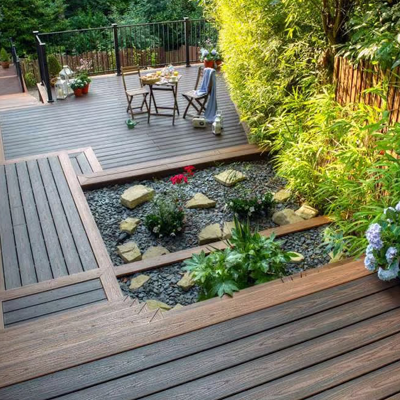
The right patio plan can make all the difference in a backyard, so it pays to take the time to sketch out a few ideas before committing to one way. Boards that run parallel to the house tend to pull the attention down the length of the space whereas boards that are laid perpendicular might bring the focus to a garden centre point or sitting area instead.
At 45 degrees, diagonal patterns provide visual interest, and they work well on square or irregularly shaped patios where a straight line could seem bland. Mixing two colours of board like a darker border around a lighter centre field may frame the sitting area and make the patio appear more deliberate, not simply a flat surface.
Curved or stepped edges are more difficult to produce with stiff boards but may be approximated by cutting angled ends on a retaining wall or garden bed. Break up a huge flat space with garden wpc flooring and plants and built-in seating or a pergola frame to create smaller, more welcoming zones. In small yards, a single rectangular deck adjacent to the house usually looks better than a spreading design, since it leaves useful grass area. Where will the sun be in the afternoon? How will the space be used daily? How will the furniture be arranged? Focusing on things like these will typically result in a plan that feels appropriate, not simply looks nice on paper.
How Much Space Should You Leave Between Garden WPC Decking Boards?
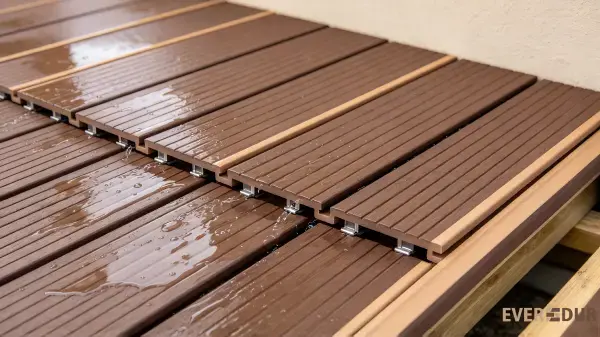
The spacing between boards is not only an aesthetic choice, it also impacts drainage, ventilation and the expansion and contraction of the material. Most composite decking will have a space of roughly 4mm to 6mm between boards but this might vary somewhat based on the manufacturer's groove design & clip method.
Composite material expands a bit when it's hot, and shrinks in colder weather, so boards that are too tightly attached might buckle or press against one another as temperatures rise. Conversely, a gap that is too broad provides an uneven walking surface and allows for dirt or furniture legs to enter. As I've indicated, clip systems automatically maintain a constant space, reducing most of the guesswork from spacing boards with screws.
End joints (where two boards connect in the length of the board, over a joist) often require a somewhat bigger spacing than side joints, normally about 5mm to 8mm, as expansion in the length of the board is more evident than in the width. Similarly boards that run up close a wall or immovable structure should provide for a modest clearance, usually 10mm to 15mm, to give the board freedom to move without its edge snagging on brick or stone. Getting these gaps correct at installation prevents returns and means a patio surface that is level and pleasant underfoot for years.SEND INQUIRY

Garden WPC Decking Maintenance After Outdoor Installation
One of the reasons people migrate away from conventional wood decking is the annual cycle of sanding, staining and sealing. Composite boards take much of the effort out of the equation but benefit from a little of frequent maintenance. Every few weeks, I clear leaves and debris off the surface to prevent moisture from sitting in one location, which is more important in shadowed corners that don't dry out as fast after rain.
Most filth and moderate discoloration may be cleaned with a simple wash of warm water, mild soap, and a gentle brush. You can use pressure washers but just keep them on a lower setting and a wider angle with the nozzle since the forceful pressure kept too near might scratch the surface texture over time. Stubborn grease or leaf tannin stains normally come out with a little more scrubbing rather than stronger chemical cleaners, which might mar the surface gloss at times.
Look over the clips and joists once or twice a year, particularly after a brutal winter. This way you can notice any loose fasteners before they become a greater problem. Moss or algae may form in wet, shady locations, so an occasional application of a diluted vinegar solution or decking-safe cleanser can keep the development under control without harming the material. This type of mild, periodic attention is often all a garden wpc decking patio requires to seem presentable season after season.
Conclusion
A garden wpc decking patio requires a little forethought, but you'll end up with a backyard surface that will stand up to the elements and everyday usage with significantly less care than typical wood decking. From the right foundation and joist spacing to a plan that works with the yard, every step adds to a patio that remains level, solid and good-looking for years to come. A little amount of frequent cleaning keeps it appearing fresh, without too much time or effort.SEND INQUIRY

FAQ
Q: How long does it take to install garden wpc decking on a patio?
A: A normal backyard patio of around 20-30 square meters usually takes an expert installer a weekend or two to build, depending on the ground preparation and intricacy of the design.
Q: Can garden wpc decking be installed directly over an existing concrete patio?
A: Yes, if you use a sleeper or pedestal system that lifts the boards just off the concrete so water can drain away, instead of pooling against the bottom of the deck.
Q: Does garden wpc decking need gaps for drainage and expansion?
A: Yes. You want to leave a tiny, even space between boards, generally a few millimetres. This enables the rain water to flow through and provides the material room to expand and contract with temperature variations.

For Construction Firms, Fence Contractors, Resellers, and End Customers:
Everdur has a broad partner base within the outdoor living business, and we work with each organization based on the size and scope of their project. Construction companies and fence contractors: technical drawings, installation assistance, programd bulk orders. For construction materials distributors and resellers: Tiered wholesale pricing, Free samples and marketing material assistance. For the end consumer we provide free planning advice and installation help for smaller garden projects. We are a garden wpc decking manufacturer, our boards are in compliance with the EU CE requirement, and US ASTM D7039 testing standards, and China GB/T 24137 specification, as well as Recycled Content and E0 Environmental regulations for low formaldehyde emission. For Samples, Pricing sheets or Technical Documents for your next patio project, contact violet@wpcsupplier.com.

References
1. ASTM International. ASTM D7032 Standard Specification for Establishing Performance Ratings for Wood-Plastic Composite Deck Boards, Stair Treads, Guards, and Handrails.
2. ASTM International. ASTM D7031 Standard Guide for Evaluating Mechanical and Physical Properties of Wood-Plastic Composite Products.
3. European Committee for Standardization. EN 15534 Composites Made from Cellulose-Based Materials and Thermoplastics (Wood-Polymer Composites).
4. North American Deck and Railing Association. Deck Construction and Installation Handbook.
5. International Organization for Standardization. ISO 14001 Environmental Management Systems.
6. Forest Stewardship Council. FSC Chain of Custody Certification Standard.
Send Inquiry


Related Industry Knowledge
- Weather Resistant Co-Extrusion WPC Cladding: Perfect for External Walls
- WPC Commercial Building Facades Installation: Guide for Large Projects
- Low MOQ Commercial WPC Decking: Perfect for Small Commercial Projects
- Why Exterior WPC Cladding Is Better Than Vinyl for External Walls
- 2026 Guide to WPC Landscape Walls: Designs & Installation Tips
- Best WPC Cladding Designs for Villa and Luxury Residential Projects
- Hollow WPC Decking Installation Cost: How to Save Big in 2026
- Top WPC Composite Fencing Manufacturers in 2026
- WPC Decking vs Wood Decking: Which Is More Durable and Cost-Effective?
- 3D Composite Decking vs Regular Composite: Which Is More Stylish?