
Home / Knowledges
Knowledges
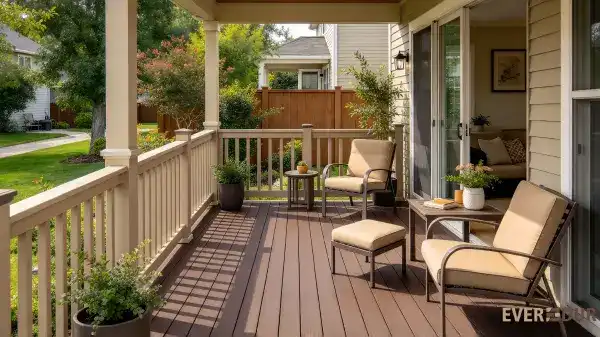
Low MOQ Landscape WPC Decking: Perfect for Small Landscape Projects
It may be challenging for small landscape projects to locate suppliers willing to deal with small order numbers. This is where low MOQ landscape WPC decking might be a viable answer. For a patio, backyard pathway, or small courtyard, composite decking is often a need from homeowners, small contractors, and boutique landscape designers, but many manufacturers require minimum purchase numbers for large commercial projects. That's where Everdur fills the need. We provide accessible minimum order numbers without sacrificing material quality or manufacturing standards. Buyers receive the same co-extrusion innovation, UV-stable colouring and moisture resistance as large-scale municipal projects get, but scaled for smaller budgets and places. This means landscape designers, small restoration companies and individual property owners may request superior composite decking for projects that would otherwise price them out of the market. Whether you're looking for a comfortable balcony, a small poolside deck or a neighbourhood pocket park, low MOQ decking alternatives make great outdoor flooring attainable. In the next parts, we will go over how MOQ works with composite decking, what sizes and finishes are available, and how to confidently make an order.VIEW MORE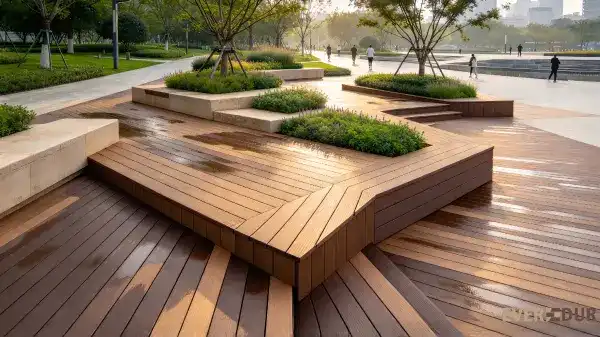
Anti-Slip Landscape WPC Decking: Safe for Public Landscape Areas
Walking a rainy park path or a sun-baked boardwalk should not seem like a gamble. That's the basic promise of landscape wpc decking developed with anti-slip surface technology. Unlike conventional wood that may become slippery with algae, moss or morning dew, composite decking combines wood fibre with recycled HDPE and textured finishing to provide a non-slip surface that withstands foot activity, rain and seasonal wear. Thousands of customers visit municipal plazas and seaside boardwalks everyday and one sliding board might be a big problem for the property management. This is solved with anti-slip decking, which employs surface patterns that are embossed or brushed and weather stable materials that will not bend, split or splinter over time. For park planners, hospitality companies and municipal contractors, this means fewer safety incidents, fewer requests for maintenance and a decking surface that is presentable season after season. In the next sections we will guide you through how this technology works, where it is most effective and what makes it stand up to severe outdoor situations in Europe and North America.VIEW MORE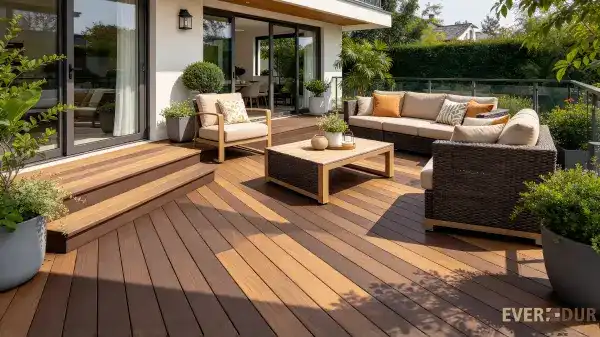
Does 3D composite decking fade?
Yes, 3D composite decking does fade but how much depends on the board. For the most part, the colour change is a modest lightening, caused by sunshine bleaching the wood fibre near the surface. A capped board (UV stabilised) will move less than an uncapped board. Deep embossing may mask some of the movement. This tutorial describes the causes of fading in 3D composite decking and what is a natural change. Also teaches you how to test samples before you commit to a colour. I wrote it for brand owners, retail buyers and specifiers who require statistics and test procedures, not slogans.VIEW MORE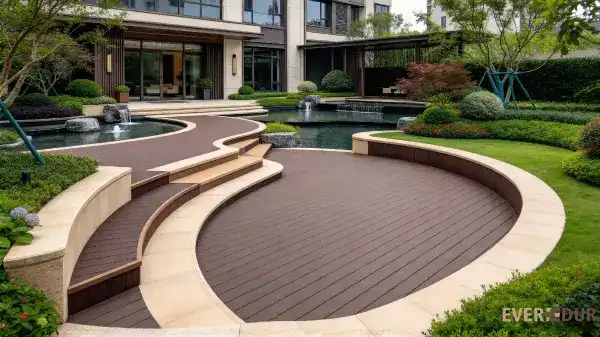
Custom WPC Decking: Tailored Flooring for Your Unique Outdoor Space
When homeowners, builders and distributors ask us what makes a genuinely appropriate outdoor floor, the answer often boils down to one thing: flexibility. With custom WPC decking, purchasers may choose the board width, thickness, length, colour and surface texture instead of choosing a one-size-fits-all catalogue item. Outdoor areas seldom have a consistent template, and that's important because roofs need lighter boards, grand entrances require larger planks, and coastal regions require special resistance to moisture. A custom wpc board means designers may meet both structural demands and aesthetic wishes at the same time without sacrificing one for the other. Companies that specialize in this flooring usually have changeable dimensions, various wood-like colours and diverse core constructions so that the final result matches the specific plan of a patio, home or business sidewalk. For customers with big or oddly shaped projects, this level of personalization is sometimes the difference between a floor that looks good and one that will work dependably for years under local weather conditions.VIEW MORE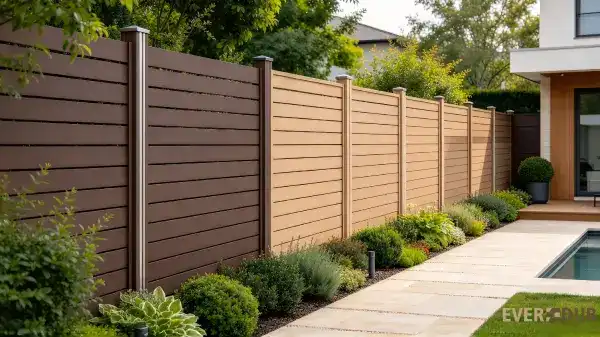
Wood Plastic Composite Fence Panels Installation: Step-by-Step Guide
Installing wood plastic composite fence panels is an easy undertaking that most homeowners, contractors and landscaping workers can perform in a weekend. The procedure is normally just a matter of mapping out the post positions, placing the posts in concrete or metal brackets, fixing horizontal rails or frames and then sliding or fastening the panels into place. Composite panels do not need to be sanded, stained or sealed before or after installation as conventional wood fence does, which drastically cuts down the entire timeframe. Because of its resistance to moisture absorption, the panels may be put in somewhat wet situations without the swelling problems that are associated with solid wood. The distance between posts varies from 1.8 to 2.9 meters depending on the length of the panels. Use a string line or laser level to keep them straight and avoid drooping over time. This book leads you through every step of the installation process, describes the differences between post and frame systems, contrasts horizontal and vertical layouts, and includes maintenance advice to keep panels looking fresh for years. Whether you're fencing in an urban backyard or a commercial property border, knowing these basics will make the job run smoothly from the first post hole to the last panel.VIEW MORE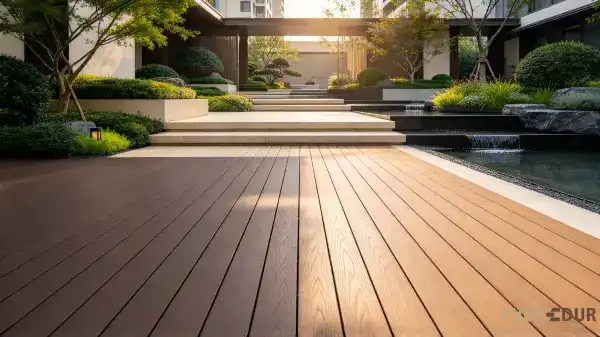
Landscape WPC Decking: Elevate Your Outdoor Landscape Design 2026
The materials that define outdoor spaces are evolving swiftly, as are the environments themselves. Landscape WPC decking is made from wood fibre and recycled HDPE to create a surface that resists moisture, insects and everyday wear without requiring regular maintenance. Instead of sanding, staining or sealing a standard wood deck every season, property owners and builders are choosing composite boards that maintain their appearance for years with simple cleaning. So what does this mean? In 2026, outdoor landscape design isn't only about short-term beauty – it's about long-term performance, sustainability and cost management. Decking material is a great option for parks, resorts, seaside paths and private gardens because it can handle considerable foot traffic and temperature variations without losing its structural stability. For 16 years, Everdur has refined co-extrusion technology to create boards that provide the natural look of wood while meeting the practical needs of commercial and residential buildings throughout Europe and North America. This article provides an overview of how WPC decking aids contemporary landscape design, what colour and texture choices are available and how to pick the correct product for a project that's intended to last.VIEW MORE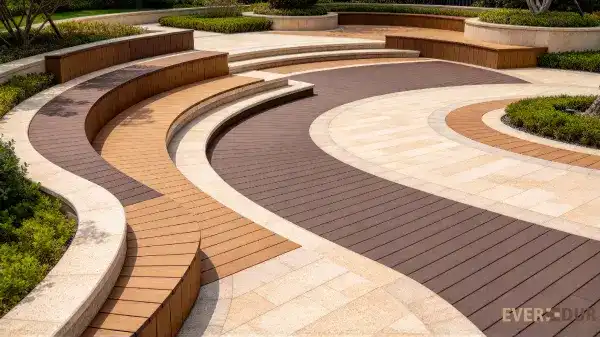
Co-extruded vs regular WPC decking: what's the difference?
Regular WPC decking exposes the wood-plastic core. Co-extruded WPC decking has a polymer shell connected to the surface, wrapping the core. That one design decision affects moisture absorption, colourfastness, warranty duration and lifetime cost. co-extrusion composite decking is the baseline standard for companies that provide 15- and 20-year guarantees. This article covers the differences between the two boards, the tests that confirm it and what to check before you purchase containers. I developed it for importers, distributors and project purchasers who want figures, not brochure jargon.VIEW MORE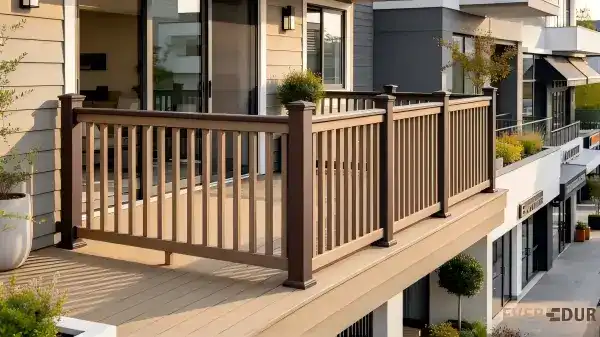
Upgrade Your Outdoor Spaces with WPC Railings
You know the quickest way to fail an inspection if you install railings: mismatched colours, missing load data or hardware that doesn’t suit the substrate. WPC railing solutions join wood-plastic composite rails and posts with the same colour line as your decking boards, solving part of that issue before the team even gets up on site. This tutorial explains what WPC railing is, how it stacks up versus wood and aluminium, what documents you need ready before you bid a contract, and how to vet a supplier before you commit to a container order. All of this is from genuine contractor enquiries, not marketing text.VIEW MORE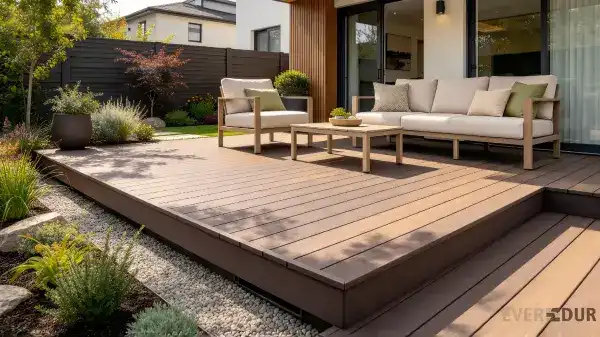
Eco-Friendly WPC Decking Installation: Green Tips for Your Project
Proper site preparation, a robust joist foundation, correct spacing between boards and regular cleaning after the deck is built are all key to eco-friendly wpc decking. The composite boards are made from recycled wood fibres and HDPE plastic, a durable timber alternative for homeowners and contractors that requires no maintenance. To ensure a good installation, level the ground, control moisture and allow for ventilation beneath the boards to prevent warping over time. For gardens, patios and commercial outdoor spaces follow the manufacturer's instructions for the kind of fasteners and expansion gaps. Here you will find a description of each phase of the assembly, the joist system and the clip system as well as tips for the layout of private and public green spaces. If you're a professional stocking up for many jobs, or a homeowner with a weekend project in mind, understanding these green installation practices helps the decking perform well in a variety of situations, and advances sustainable building goals.VIEW MORE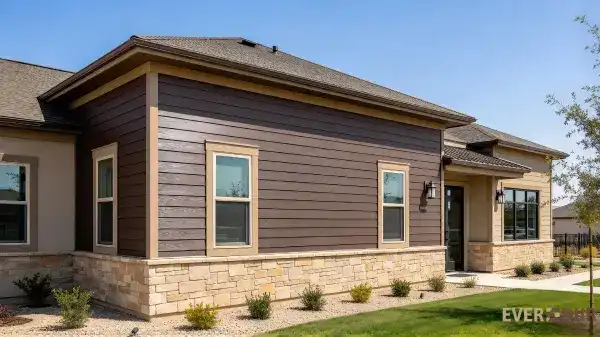
Weather Resistant Co-Extrusion WPC Cladding: Perfect for External Walls
If you're looking for a façade material that can withstand rain, sun, salt air and temperature changes without frequent maintenance, then you should have a closer look at co-extrusion wpc cladding. The cladding consists of two layers: a wood-fiber and recycled HDPE core that provides structural support, and a polymer cover that protects the surface from moisture, UV radiation and everyday wear. That's why builders and architects throughout Europe and North America are choosing this material for its ability to hold its beauty for years without the sanding, staining or sealing typical wood requires. It will not split, bend or decay, unlike real wood. The protective outer covering also prevents fading and stains from starting, which is unlike ordinary composite boards. For houses, offices, hotels and seaside assets this cladding provides a realistic blend of appearances, durability and decreased life cycle costs. In the parts that follow we'll go through how this technology holds up against genuine outside circumstances, and why it's become a trusted option for external wall applications.VIEW MORE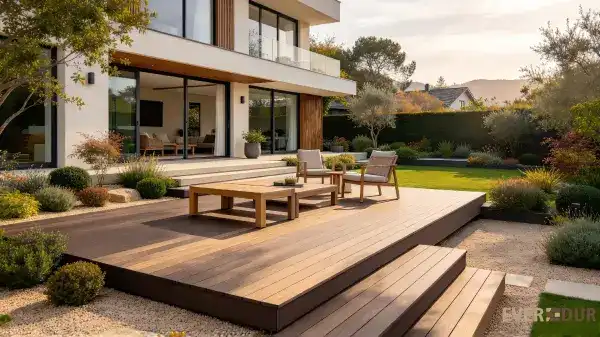
Garden WPC Decking Installation: Create a Beautiful Garden Patio
Create a good looking patio that will stand up to rain, frost and summer heat by using the suitable materials and installing properly. Garden WPC decking is made from a mix of wood fibres and recycled HDPE. This allows outdoor areas to have the warmth of timber without the ongoing maintenance of genuine wood. Proper installation of this material includes establishing a level foundation, spacing joists at the correct intervals and providing uniform gaps between boards for drainage and seasonal expansion. A composite patio may keep stable and excellent looking for well over a decade with concealed clips and a little modest seasonal cleaning.VIEW MORE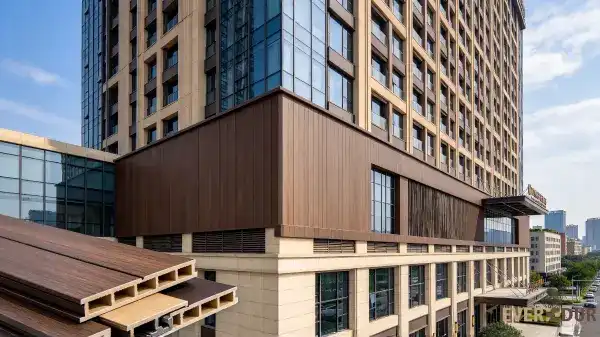
WPC Wall Cladding: Tailoring Solutions for Homes and Businesses
If you are responsible for facade projects in Germany, France or the Gulf area, you know the strain. Architects prefer wood look. Fire officers seek evidence. Budget wish to save. WPC wall cladding, i.e. wood-plastic composite panels for ventilated facades, satisfies all three requirements at once, assuming you choose the proper fire class, fastening mechanism and panel tolerance. This tutorial explains what WPC wall cladding really delivers, how it compares to wood, aluminium and fibre cement and what evidence you need before a fire officer or client analyses your submittal package.VIEW MORE
- 1
- 2
- 3
- 4
- 5
- 6
- 10
Total 10 pages