
Knowledges
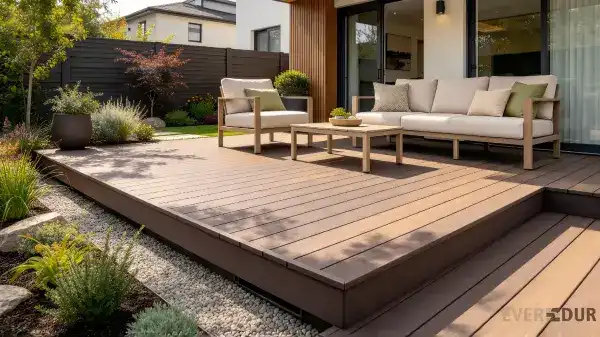
Eco-Friendly WPC Decking Installation: Green Tips for Your Project
Proper site preparation, a robust joist foundation, correct spacing between boards and regular cleaning after the deck is built are all key to eco-friendly wpc decking. The composite boards are made from recycled wood fibres and HDPE plastic, a durable timber alternative for homeowners and contractors that requires no maintenance. To ensure a good installation, level the ground, control moisture and allow for ventilation beneath the boards to prevent warping over time. For gardens, patios and commercial outdoor spaces follow the manufacturer's instructions for the kind of fasteners and expansion gaps. Here you will find a description of each phase of the assembly, the joist system and the clip system as well as tips for the layout of private and public green spaces. If you're a professional stocking up for many jobs, or a homeowner with a weekend project in mind, understanding these green installation practices helps the decking perform well in a variety of situations, and advances sustainable building goals.VIEW MORE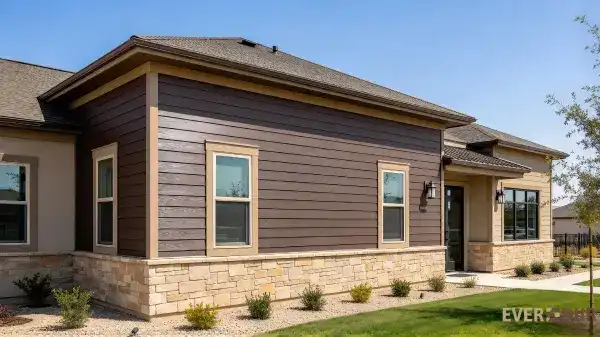
Weather Resistant Co-Extrusion WPC Cladding: Perfect for External Walls
If you're looking for a façade material that can withstand rain, sun, salt air and temperature changes without frequent maintenance, then you should have a closer look at co-extrusion wpc cladding. The cladding consists of two layers: a wood-fiber and recycled HDPE core that provides structural support, and a polymer cover that protects the surface from moisture, UV radiation and everyday wear. That's why builders and architects throughout Europe and North America are choosing this material for its ability to hold its beauty for years without the sanding, staining or sealing typical wood requires. It will not split, bend or decay, unlike real wood. The protective outer covering also prevents fading and stains from starting, which is unlike ordinary composite boards. For houses, offices, hotels and seaside assets this cladding provides a realistic blend of appearances, durability and decreased life cycle costs. In the parts that follow we'll go through how this technology holds up against genuine outside circumstances, and why it's become a trusted option for external wall applications.VIEW MORE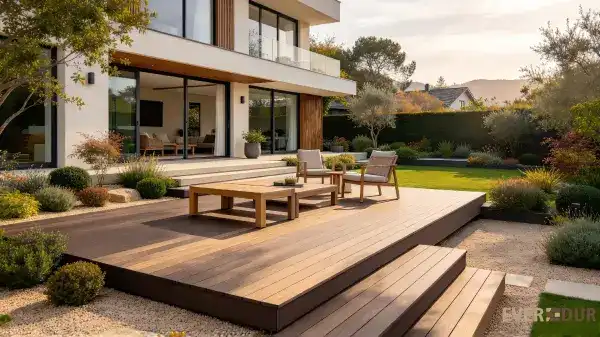
Garden WPC Decking Installation: Create a Beautiful Garden Patio
Create a good looking patio that will stand up to rain, frost and summer heat by using the suitable materials and installing properly. Garden WPC decking is made from a mix of wood fibres and recycled HDPE. This allows outdoor areas to have the warmth of timber without the ongoing maintenance of genuine wood. Proper installation of this material includes establishing a level foundation, spacing joists at the correct intervals and providing uniform gaps between boards for drainage and seasonal expansion. A composite patio may keep stable and excellent looking for well over a decade with concealed clips and a little modest seasonal cleaning.VIEW MORE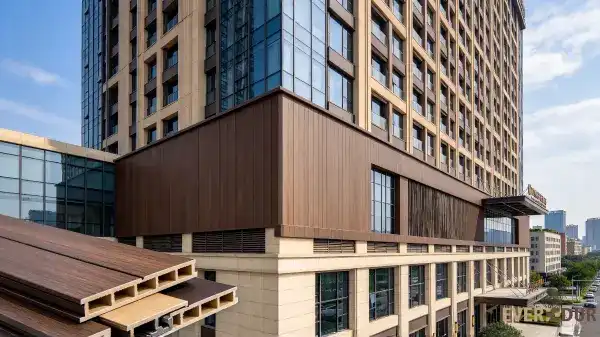
WPC Wall Cladding: Tailoring Solutions for Homes and Businesses
If you are responsible for facade projects in Germany, France or the Gulf area, you know the strain. Architects prefer wood look. Fire officers seek evidence. Budget wish to save. WPC wall cladding, i.e. wood-plastic composite panels for ventilated facades, satisfies all three requirements at once, assuming you choose the proper fire class, fastening mechanism and panel tolerance. This tutorial explains what WPC wall cladding really delivers, how it compares to wood, aluminium and fibre cement and what evidence you need before a fire officer or client analyses your submittal package.VIEW MORE
Anti-Fade WPC Commercial Building Facades: Long-Lasting Aesthetics
For architects and developers choosing external claddings, colour retention may sometimes be the difference between a project that ages well and one that looks weary after a few seasons. This challenge is addressed by WPC commercial building facades that combine wood fibre and HDPE resin with UV-stabilizing chemicals that inhibit colour degradation due to exposure to sunshine. They are composite panels that won't require repainting every few years like painted wood or powder coated metal panels and are designed to withstand chalking, bleaching and surface oxidation in a range of conditions. That matters because commercial buildings — hotels, shopping centres, office complexes — depend on their exteriors to express quality and trustworthiness to visitors and tenants. That impression is soon destroyed by an irregularly fading or blotchy veneer. Everdur's co-extrusion manufacturing technique has a protective outer layer that protects the core material from moisture and UV rays, offering owners a cladding system that will retain its original hue for years to come. In this post, we'll cover how fading occurs, what makes a facade UV-resistant, the colour and texture choices you can choose from, and realistic expectations for how long your look will last so you can make an educated decision before you contact out for samples or a price.VIEW MORE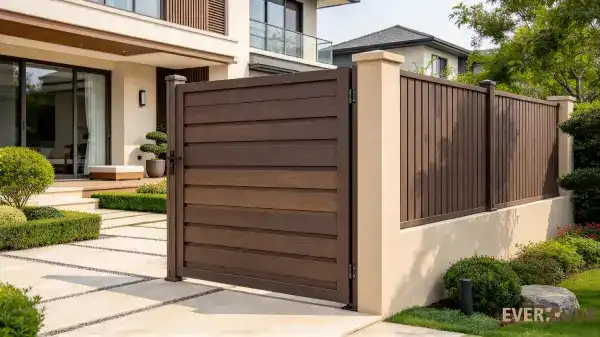
Decorative Composite Fencing Installation: Enhance Your Property’s Aesthetics
A good fence is more than a marker of a property's bounds. It provides the mood of a patio, garden or corporate courtyard the minute someone walks through it. The attractive decorative composite fencing is created from wood fibre and recycled HDPE panels that are resistant to moisture, pests and sun fading, but yet retains the pleasant feel that consumers associate with genuine wood. The rails have to be secured, the posts have to be set at equal distances, and the slats have to be fixed with screws or clips according to the profile needed for this kind of fence. Larger upgrades prefer uniform sizing for easy pricing and scheduling by contractors, while homeowners seek less maintenance. Those living in areas with harsh weather or high UV radiation should get composite panels for their homes since they will not warp or fade with the seasons like painted wood would. This manual will assist property owners and industry professionals correctly design a fence project, covering installation procedures, layout alternatives, slat spacing, orientation choices, and dimension considerations. Composite fencing is a great combination of looks and inexpensive long-term maintenance whether you desire a private garden retreat or a corporation boundary that has to look excellent for decades without repainting.VIEW MORE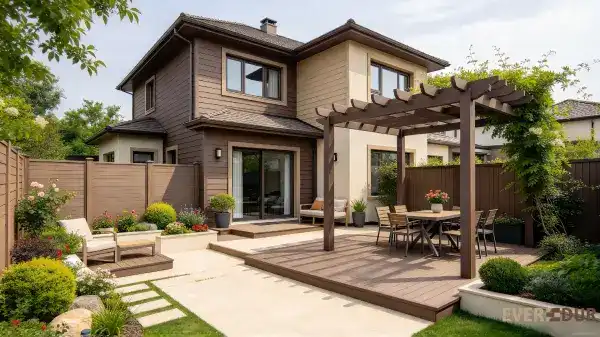
Low MOQ Co-Extrusion WPC Cladding: Perfect for Small Projects
It may be like finding a needle in a haystack to find a supplier that can deal with lesser order sizes, particularly since most manufacturers establish minimum order amounts geared for large scale commercial constructions. If you're planning a villa makeover, a garden fence improvement or a boutique hotel project, you probably don't need cargo containers full of material. This is where low MOQ co-extrusion wpc cladding is an option. Everdur has built a manufacturing model around variable order quantities, so smaller purchasers, independent contractors and boutique developers have access to the same dual-layer protection technology as larger enterprises. Our cladding consists of a high-density wood-polymer core with a protective top layer that offers weather resistance and dimensional stability, eliminating the need for warehouse-sized amounts. Whether you need cladding for a single-family house or a small business exterior, you may buy what matches your project scope. This saves you money up front, saves you storage hassles and gives you approved, tested material backed by years of production knowledge. The next sections will guide you through minimum order info, remodelling use cases, customisation possibilities, installation fundamentals and cost considerations for villa and garden applications.VIEW MORE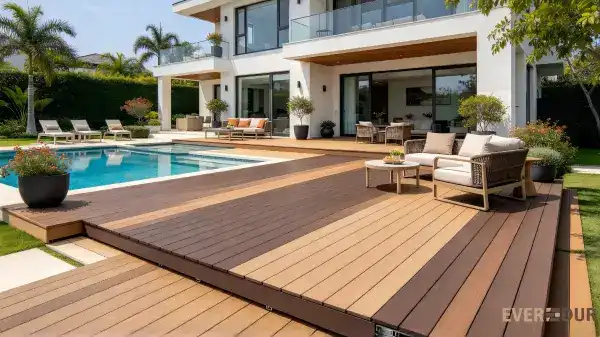
Why Co-Extruded Composite Decking is a Homeowner's Dream
For every homeowner—and every firm that sells outdoor products—choosing a deck material that can withstand water, sun and regular foot activity is important. Co-extrusion composite decking addresses this issue by including a protective polymer shell that is bonded to a wood-plastic core during the production process, rather than afterward. This tutorial describes how the technology works, how it compares with wood and previous capped boards, and what customers should examine before making an order. Using Everdur's actual production data, UV test logs and a real import situation, I illustrate what differentiates true 360-degree capping from marketing rhetoric. By the end you will know what questions safeguard your margin and your brand identity.VIEW MORE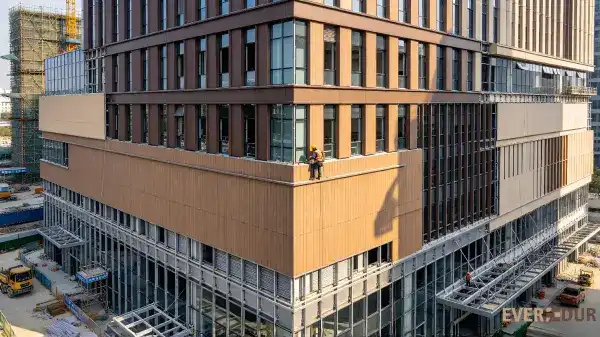
WPC Commercial Building Facades Installation: Guide for Large Projects
The technique for the installation of wpc commercial building facades on big structures is layered. There is a base of steel or aluminium, a ventilation gap and the composite cladding, which is fastened by concealed clips or visible fasteners. For major projects, planning begins with load calculations, climate evaluation and substructure design before the first panel is placed. Ventilated facade systems let air to flow under the façade, reducing moisture accumulation and aiding in surface temperature regulation. The panels may be mounted horizontally or vertically depending on the architectural design, and the spacing and attachment patterns are adapted to the size of the panels and the wind load requirements. Contractors often work with pre-drilled or co-extruded profiles that snap into rails and save labour hours over conventional wood installation. This document outlines the installation sequence, substructure options, and planning stages required to have a facade project go successfully from design to completion for developers of office buildings, retail centres, or hospitality projects.VIEW MORE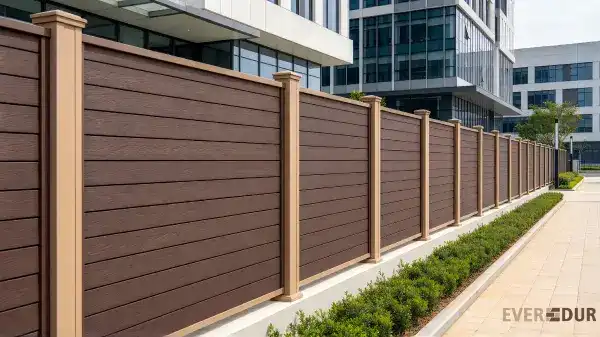
Wholesale Wood Plastic Composite Fence Panels: Bulk Supply & Factory Prices
If you are after wholesale wood plastic composite fence panels at factory prices, you are likely a contractor, distributor or property developer trying to lock in a solid supply chain without paying retail markups. Buying in bulk directly from a manufacturer often means reduced per-unit prices, consistent batch quality, and the option to request bespoke specifications or finishes for your unique project. Factory pricing is provided if order volumes meet a certain minimum, often based on container loads rather than tiny pallet numbers. Because buyers skip over many distribution channels, landing costs are predictable — even when shipping overseas — which saves them money. A reputable provider will also give evidence for material composition, weather resistance testing and certificates confirming the panels fit area building requirements. Whether you are looking for composite brushed fence panels for a residential development or conventional wpc fence board profiles for commercial landscaping, dealing directly with a manufacturer allows you to have greater control over lead times, packaging and after-sales support. Here, we go into requirements, customisation, minimum order numbers, and what a reliable bulk supply setup truly looks like.VIEW MORE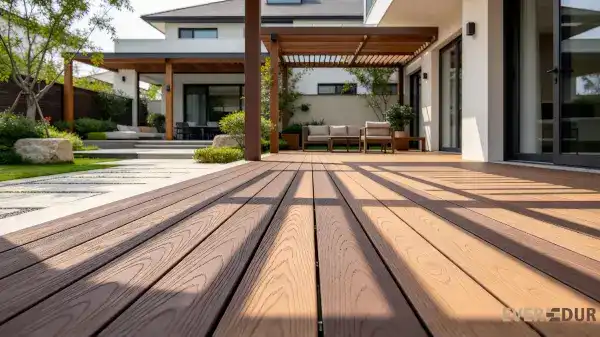
Wood Grain Custom WPC Decking: Custom Patterns for Your Style
With its wood grain unique design, WPC decking delivers you the warmth of genuine timber with the durability of engineered composite material. This decking solution gives homeowners and project planners the opportunity to make their outdoor areas seem authentic while avoiding the care that real wood requires. This decking design uses embossing and co-extrusion processes to mimic the grain patterns, texture and tone of woods such as teak, walnut or cedar so the final board has visual depth but is still resistant to moisture, pests and fading. If you're looking at composite possibilities, custom wpc decking is unique in that the pattern, colour and surface texture may be customized to suit a particular design idea, rather than settling for a generic plank off a shelf. Everdur has partnered with manufacturers, builders and distributors who need decking to operate in many conditions but also have a unique, polished look. This article will review how wood grain patterns are made, what embossing possibilities are available, which colours tend to work well for certain design objectives and how to pick the proper board for a particular outdoor situation. By the end you should know a little better which pattern and finish combo is right for your project.VIEW MORE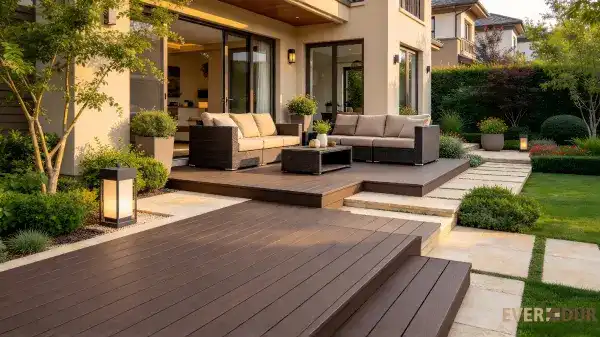
Traditional vs co-extruded decking: which is better?
Classic composite decking is a wood-plastic composite board that has the material equally mixed throughout the whole profile, whereas co-extruded decking adds a plastic cover over the same core. If you sell, acquire or specify outdoor flooring this distinction matters to your pricing list, your claim rate and your repeat orders. This article evaluates both products on cost, durability, climatic performance and supplier risk, so you can choose the optimal one for your market and your margin.VIEW MORE
- 1
- 2
- 3
- 4
- 5
- 6
- 10